


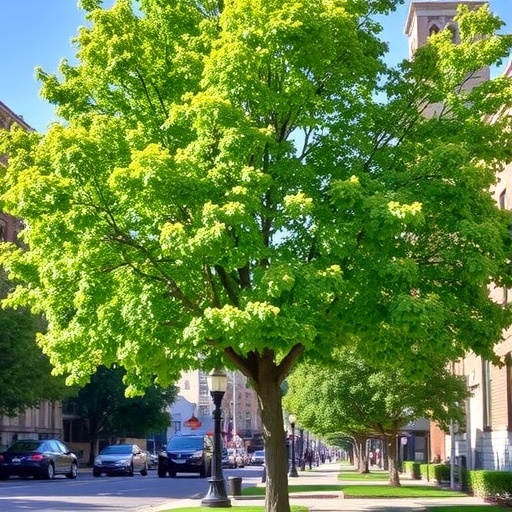
In an era marked by increasing concerns over environmental sustainability, innovative solutions to urban water pollution are urgent. Recent research has shed light on the potential of native tree species in effectively addressing one of the most pernicious pollutants—lead. Conducted by a team of scientists, including Kanwal, Farhan, and Munazir, the study explores the concept of phytoremediation, positioning it as a promising nature-based approach to mitigate the impact of domestic wastewater irrigation.
Phytoremediation, a term that refers to the use of plants to absorb and detoxify contaminants from soil and water, is increasingly regarded as a viable solution to combat pollution. Lead contamination, particularly prevalent in urban areas, poses significant risks to both human health and the environment. This innovative approach not only raises awareness about the capabilities of native flora but also highlights the importance of biodiversity in ecological restoration efforts.
The researchers conducted a comprehensive study involving various native trees, assessing their lead uptake capabilities under conditions simulating domestic wastewater irrigation. Their findings reveal that certain tree species exhibit remarkable proficiency in lead absorption, suggesting that strategic planting of these trees could significantly reduce lead levels in contaminated urban environments.
The study emphasizes the role of native species in enhancing phytoremediation processes. Native trees are often better adapted to their environments, exhibiting resilience to local climatic conditions and pollutants. This adaptability is vital, as it allows these trees to thrive while simultaneously working to cleanse their surroundings of harmful substances.
In addition to their environmental benefits, the native tree species explored in this research offer a host of co-benefits. These trees can improve urban aesthetics, provide habitat for local wildlife, and even contribute to carbon sequestration. The interplay between human ecology and environmental health becomes increasingly evident as urban areas seek to integrate nature-based solutions into their infrastructure.
The impact of domestic wastewater irrigation in urban settings is profound, with many cities grappling with the challenge of disposing of untreated wastewater. Conventional treatment methods can be costly and logistically challenging, further exacerbating the pollution crisis. This study’s findings suggest that leveraging natural processes through phytoremediation could not only be a more sustainable alternative but also a cost-effective strategy to address urban water pollution.
As cities expand and urbanization increases, the importance of maintaining a healthy ecological balance becomes paramount. Promoting the use of native trees for phytoremediation aligns with principles of sustainability, providing communities with an ecologically sound method of managing wastewater while simultaneously restoring the urban green canopy. This dual approach holds promise for enhancing the quality of urban life, benefiting both current residents and future generations.
The data gathered from this research underscores the necessity of further exploration into species selection for effective phytoremediation. While this study identifies several promising candidates, ongoing research will be crucial to fully understand the interactions between these native species and the extent to which they can mitigate lead pollution in various urban contexts. By refining our understanding of plant-microbe interactions, we can optimize phytoremediation strategies and enhance their effectiveness.
Public awareness and engagement are also essential components of successful phytoremediation initiatives. As community members recognize the value of native trees in combating pollution, grassroots efforts can play a paramount role in implementing these strategies at the local level. Educational programs aimed at raising awareness about the significance of biodiversity and the ecological functions of native flora can foster community involvement and support for urban greening projects.
The implications of this research extend beyond local communities. Policymakers and urban planners are encouraged to consider nature-based solutions when designing interventions aimed at improving urban water quality. Integrating the insights gleaned from this study into urban planning processes can create a paradigm shift towards more sustainable, resilient cities capable of adapting to future environmental challenges.
By adopting a holistic approach to urban water management, cities can create a dual narrative: thriving ecosystems and reduced pollution. Embracing phytoremediation as a fundamental element of urban development not only alleviates lead contamination but also cultivates a deeper connection between urban residents and their natural environments.
The promise of phytoremediation lies in the acknowledgment that nature holds the keys to addressing many of the challenges we face today. This research serves as a clarion call for further exploration of the myriad benefits that native tree species can offer in the fight against urban pollution. The journey toward sustainable urban ecosystems is just beginning, and nature provides us with the tools to forge ahead successfully.
As discussions around environmental solutions gain momentum, the findings from this study contribute valuable insights for researchers, practitioners, and governments alike. Ultimately, the integration of nature-based strategies into urban landscapes is essential, presenting us with a path toward healthier, more vibrant cities for generations to come.
In conclusion, the study conducted by Kanwal, Farhan, and Munazir reveals an optimistic outlook on the potential of native tree species to remediate lead pollution through phytoremediation. As urban areas continue to face the challenges of wastewater management and pollution, this research underscores the importance of embracing nature’s solutions for a cleaner, greener future.
Kanwal, A., Farhan, M., Munazir, M. et al. Phytoremediation potential of native tree species for lead removal under domestic wastewater irrigation: a nature-based solution for urban water pollution.
Environ Monit Assess 197, 1345 (2025). https://doi.org/10.1007/s10661-025-14789-7
Cite Scienmag News
Margaret Porter. (November 17, 2025). Native Trees: Urban Nature’s Solution for Lead Removal. Scienmag. https://scienmag.com/native-trees-urban-natures-solution-for-lead-removal/
Margaret Porter. "Native Trees: Urban Nature’s Solution for Lead Removal." Scienmag, 17 November 2025, https://scienmag.com/native-trees-urban-natures-solution-for-lead-removal/. Accessed 4 September 2026.
Margaret Porter. "Native Trees: Urban Nature’s Solution for Lead Removal." Scienmag. November 17, 2025. https://scienmag.com/native-trees-urban-natures-solution-for-lead-removal/


