


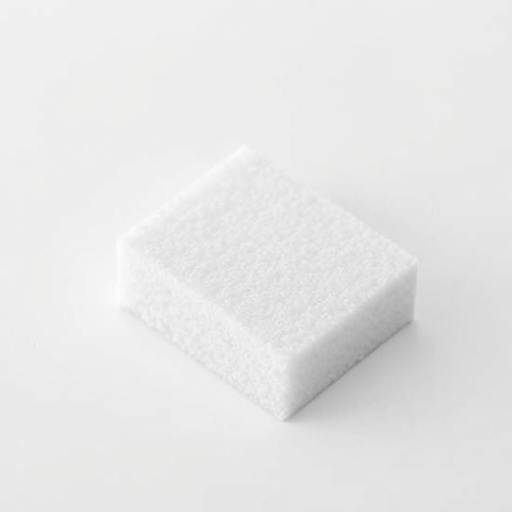
In a groundbreaking advancement poised to revolutionize water purification technology, researchers have unveiled a novel polymer-coated nanowire sponge electrocatalytic system capable of simultaneously disinfecting and removing a broad spectrum of micropollutants from contaminated water sources. This innovative approach harnesses the unique physicochemical properties of nanostructured materials combined with catalytic electrochemical processes, providing an efficient and sustainable solution to one of the most pressing environmental challenges of our time.
Conventional water purification techniques often rely on either physical filtration or chemical disinfection, each with inherent limitations. Filtration systems can effectively remove particulate matter but struggle with dissolved or molecular-scale contaminants, while chemical disinfectants like chlorine can leave harmful byproducts and often fail to remove persistent organic pollutants. The newly developed device integrates these functions through an electrocatalytic process that occurs directly on the surface of a porous, polymer-coated nanowire sponge. This design not only ensures intimate contact with contaminants but also leverages the electrical properties of the substrate to activate catalytic reactions under mild operational conditions.
At the heart of this technology lies the engineered nanowire sponge, fabricated from highly conductive metallic nanowires arranged in a three-dimensional porous matrix. This architecture affords an extraordinary surface area-to-volume ratio, maximizing exposure to waterborne micropollutants while maintaining robust mechanical integrity. The sponge is further coated with a specialized polymer layer that enhances stability, prevents fouling, and improves selectivity towards targeted contaminants. The synergy between the nanowire core and the polymer coating enables a finely tuned electrochemical environment where disinfection and pollutant degradation occur simultaneously.
Disinfection is achieved through the generation of reactive oxygen species (ROS) directly at the electrocatalyst interface, which are potent antimicrobial agents capable of disrupting bacterial cell walls, viral envelopes, and other pathogenic structures without the use of chemical additives. These ROS, such as hydroxyl radicals and superoxide ions, are generated efficiently by applying a mild voltage across the nanowire network, triggering electron transfer reactions with dissolved oxygen molecules. The result is a contact electrocatalytic system that achieves rapid and thorough inactivation of a wide range of microorganisms while minimizing the formation of secondary pollutants.
Simultaneously, the electrocatalytic system targets organic micropollutants — compounds such as pharmaceuticals, pesticides, and industrial chemicals that persist in water and present significant health risks even at trace concentrations. The polymer-coated nanowire sponge facilitates the adsorption and proximity-driven catalytic oxidation of these molecules, breaking them down into benign byproducts like carbon dioxide and water. The ability to simultaneously disinfect and degrade diverse micropollutants distinguishes this technology from existing treatment methods that typically address these issues separately and with limited efficiency.
Furthermore, this hybrid system operates effectively under ambient conditions without requiring elevated temperatures or pressures, contributing to its energy efficiency and suitability for decentralized or off-grid water treatment applications. The modular nature of the sponge allows for easy scaling and integration into various water infrastructure setups, including household units, community water systems, and industrial wastewater treatment processes. This versatility not only broadens its applicability but also helps reduce maintenance demands and operational costs often associated with advanced purification technologies.
Crucially, the researchers demonstrated the durability and reusability of the polymer-coated nanowire sponge through extensive cyclic testing. The polymer layer’s stability limits degradation and prevents biofouling, a common challenge that impairs long-term device performance in aqueous environments. Even after extended use, the sponge retained high electrocatalytic activity and mechanical integrity, indicating promise for real-world deployment where continuous operation and resilience are essential.
The study also highlighted the material’s excellent selectivity and efficiency in removing emergent contaminants, which traditional purification methods struggle to address. By tuning the polymer composition and nanowire surface properties, the system can be customized to target specific pollutant classes, opening avenues for tailored water treatment solutions adapted to the unique contamination profiles of different regions or industries. This adaptability enhances the potential impact of the technology amid diverse global water quality challenges.
Beyond practical water treatment applications, the researchers emphasized the broader implications of their design strategy. The combination of nanoscale architecture and polymer chemistry introduces a versatile platform for developing next-generation electrocatalytic interfaces capable of multi-functional environmental remediation. The principles demonstrated in this work could be extended to air purification, soil decontamination, and even energy conversion technologies, underscoring the transformative potential of integrating advanced materials science with catalytic electrochemistry.
An additional notable aspect is the environmental sustainability embedded in the system’s design. By facilitating pollutant breakdown without harmful chemical additives and operating at low energy inputs, the polymer-coated nanowire sponge provides a green alternative to conventional water treatment techniques with extensive chemical footprints. This aligns closely with global efforts to develop cleaner technologies that safeguard human health and ecosystems while reducing environmental impacts.
The electrocatalytic approach also circumvents some of the challenges faced by photocatalytic systems, which require light sources and often suffer from stability issues under prolonged irradiation. The electrical activation in this sponge-based system delivers consistent performance independent of external illumination, broadening its operational conditions and reliability. This feature is particularly advantageous in varied climatic and infrastructural contexts where light availability cannot always be guaranteed.
In their comprehensive investigation, the scientists utilized state-of-the-art characterization tools including electron microscopy, surface spectroscopy, and electrochemical analyses to elucidate the interaction mechanisms between the polymer coating, nanowire surfaces, and water contaminants. These insights provided critical guidance for optimizing the material design and tuning catalytically active sites for enhanced performance. Detailed mechanistic understanding strengthens confidence in scaling up and translating laboratory successes into field-deployable devices.
Looking forward, challenges remain in further adapting the system for complex real-world water matrices containing mixed contaminants and fluctuating conditions. However, the foundational advances presented here mark a significant milestone toward the realization of integrated, efficient, and sustainable water purification technologies. Future development efforts will likely focus on system integration, pilot-scale demonstrations, and lifecycle assessments to pave the way for widespread commercial adoption.
As water scarcity and pollution threats intensify globally, innovations like the polymer-coated nanowire sponge electrocatalytic system represent vital tools in our collective arsenal to ensure access to safe and clean water. By combining cutting-edge nanotechnology, polymer chemistry, and electrochemistry, this research not only addresses immediate environmental health concerns but also exemplifies the power of interdisciplinary science to create impactful solutions for societal challenges. The ripple effects of this technology could extend far beyond water treatment, inspiring new avenues of research and development across environmental and materials sciences.
This pioneering work has been published in Nature Communications and is expected to stimulate vigorous interest not only within academic circles but also among technology developers, policymakers, and environmental organizations seeking sustainable strategies for water management. Innovations such as this hold enormous promise to reshape how we approach water purification in the 21st century, delivering cleaner, safer water while protecting precious natural resources for future generations.
Cite Scienmag News
Russell Cooper. (May 23, 2026). Nanowire Sponge Enables Dual Disinfection, Pollutant Removal. Scienmag. https://scienmag.com/nanowire-sponge-enables-dual-disinfection-pollutant-removal/
Russell Cooper. "Nanowire Sponge Enables Dual Disinfection, Pollutant Removal." Scienmag, 23 May 2026, https://scienmag.com/nanowire-sponge-enables-dual-disinfection-pollutant-removal/. Accessed 6 September 2026.
Russell Cooper. "Nanowire Sponge Enables Dual Disinfection, Pollutant Removal." Scienmag. May 23, 2026. https://scienmag.com/nanowire-sponge-enables-dual-disinfection-pollutant-removal/


