


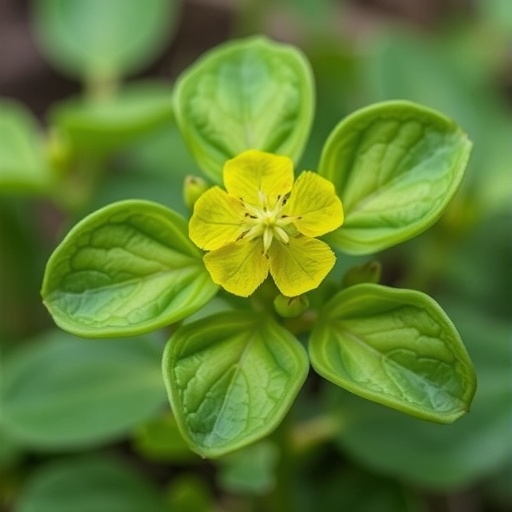
In a groundbreaking study set to influence the understanding of neuroprotection, researchers have embarked on an exploration of the medicinal properties of Momordica dioica, commonly known as the woolly gourd. This study, conducted by a team led by V. Neve, delves into the efficacy of this traditional plant against Alzheimer’s disease, particularly looking at its neuroprotective potential in a model that emulates the effects of aluminum chloride-induced neurotoxicity.
Alzheimer’s disease is a devastating condition that predominantly affects older adults, leading to memory loss, cognitive decline, and significant impairment in daily functions. The link between environmental factors, such as the accumulation of heavy metals, and the onset of neurodegenerative diseases like Alzheimer’s has been a growing area of research. The inhalation or ingestion of aluminum compounds has been closely scrutinized for its potential role in neurodegeneration. In this study, researchers employ a Wistar rat model to mimic the neurological effects caused by aluminum chloride exposure, providing a controlled environment to assess therapeutic interventions.
Momordica dioica has been revered in various cultures for its health benefits, often attributed to its rich bioactive compounds. These include vitamins, antioxidants, and other phytochemicals, contributing significantly to its anti-inflammatory and neuroprotective effects. The study investigates whether the administration of extracts from Momordica dioica can ameliorate the cognitive and behavioral deficits associated with aluminum chloride-induced neurotoxicity in rats.
Researchers meticulously designed a series of experiments to evaluate the behavioral changes in treated versus untreated rats subjected to aluminum chloride. These behavioral assessments, including maze tests and memory evaluations, are critical in determining the cognitive performance of the animals. The initial findings suggest that the rats given Momordica dioica extracts displayed remarkable improvements in learning and memory retention compared to those that did not receive treatment.
Beyond behavior, the study also delves into the biochemical markers linked to neurodegeneration. This involves examining the levels of oxidative stress markers and neurotransmitters in the brain tissues of the subjects. Preliminary results indicate that the extract of Momordica dioica significantly reduces oxidative stress while simultaneously increasing the levels of protective neurotransmitters, suggesting a multifaceted approach to neuroprotection.
Histopathological analyses further support these behavioral and biochemical findings. Researchers utilized various staining techniques to observe the structural integrity of the brain tissues in treated and untreated groups. The results illustrate a striking preservation of neuronal architecture in those that received Momordica dioica extracts, indicating its potential to reverse or at least mitigate the neuropathological changes induced by aluminum chloride.
As the study progresses, the researchers continue to unravel the underlying mechanisms through which Momordica dioica exerts its protective effects. Molecular analyses are being performed to detail the specific pathways that are activated by the plant’s bioactive compounds. The goal is to identify which constituents of Momordica dioica are directly responsible for the observed neuroprotective properties. This could lead to future therapeutic applications not only for Alzheimer’s disease but for a broader spectrum of neurodegenerative disorders.
The significance of these findings extends beyond just the realm of academia. If validated in further studies, the use of Momordica dioica could pave the way for more natural, plant-based approaches to combat the debilitating effects of Alzheimer’s disease. This aligns with a growing trend in medicine that advocates for integrating traditional natural remedies with contemporary scientific validation.
Public interest in natural remedies for health issues has surged in recent years, and research like this reinforces the importance of exploring herbal alternatives. Moreover, considering the mounting evidence linking heavy metal exposure with neurological disorders, the development of a natural countermeasure could have widespread implications for public health policies and preventive strategies.
The research team is optimistic about the potential applications of their findings, advocating for additional studies on diverse populations and varying dosages of the extract. Future research will also explore the long-term effects of using Momordica dioica as a preventive or therapeutic agent in neurodegenerative diseases, seeking to identify any possible side effects or interactions with other treatments.
In conclusion, the study led by V. Neve and colleagues marks a significant milestone in the quest for effective treatments against Alzheimer’s disease. By highlighting the potential of Momordica dioica, the researchers not only contribute to the body of knowledge surrounding neuroprotection but also open new avenues for the development of natural therapeutics. The implications of this work resonate not only within scientific circles but also in society at large, as it offers a glimpse into the future of holistic health care and the harmonization of ancient wisdom with modern science.
As neurodegenerative diseases like Alzheimer’s continue to pose a significant challenge to public health, the urgent need for effective, safe, and accessible treatments has never been more pronounced. This groundbreaking research presents an exciting possibility, suggesting that nature may indeed hold the keys to unlocking new therapeutic avenues. It invites researchers, clinicians, and the public alike to remain hopeful and engaged in the pursuit of knowledge that bridges traditional practices with cutting-edge science.
This incredible journey into the neuroprotective potential of Momordica dioica exemplifies the power of interdisciplinary exploration and the collaboration between traditional medicine and modern research methodologies. As the world watches closely, the implications of this study herald a promising future for innovative treatments in the ongoing battle against Alzheimer’s disease.
Neve, V., Saqlain, S., Veeranjaneyulu, A. et al. Evaluation of the neuroprotective activity of Momordica dioica against aluminum chloride (AlCl3)-Induced Alzheimer’s disease in Wistar rats.
Discov Ment Health 5, 198 (2025). https://doi.org/10.1007/s44192-025-00243-0
Cite Scienmag News
Diana Fleming. (December 25, 2025). Momordica Dioica: A Shield Against Alzheimer’s Damage. Scienmag. https://scienmag.com/momordica-dioica-a-shield-against-alzheimers-damage/
Diana Fleming. "Momordica Dioica: A Shield Against Alzheimer’s Damage." Scienmag, 25 December 2025, https://scienmag.com/momordica-dioica-a-shield-against-alzheimers-damage/. Accessed 5 September 2026.
Diana Fleming. "Momordica Dioica: A Shield Against Alzheimer’s Damage." Scienmag. December 25, 2025. https://scienmag.com/momordica-dioica-a-shield-against-alzheimers-damage/


