Varicocele, the abnormal dilation and tortuosity of the veins that drain the testis, is among the most common correctable causes of male infertility, yet its impact on fertility and the response to surgical repair vary dramatically from one patient to another. A new narrative review published in Basic and Clinical Andrology argues that the key to this variability may lie in the mitochondria. The authors, led by Jun Zhang and Chongfu Zhong, propose that mitochondrial injury acts as a central hub connecting the hemodynamic lesion of varicocele to oxidative stress, sterile inflammation, and persistent damage to sperm production. Crucially, however, the review is careful to separate what has actually been demonstrated in humans from what remains a plausible but unproven chain of events.
The review, updated through a literature search completed in August 2026, synthesizes 93 references drawn from PubMed/MEDLINE, Web of Science, Scopus, and Embase. The authors explicitly caution that their work is a narrative review rather than a systematic review or meta-analysis: screening was not duplicated, risk of bias was not formally assessed, and no protocol was registered. This transparency matters, because the model they propose is ambitious. It asks whether a single biological sequence, running from damaged mitochondria to oxidized mitochondrial DNA to innate immune sensing, can explain why some men with varicocele remain fertile while others suffer progressive spermatogenic failure.
The starting point of the proposed axis is mechanical. Impaired venous return in varicocele produces persistent venous hypertension, blood stasis, local hyperthermia, and hypoxia, all of which disturb the testicular microenvironment and raise oxidative burden. Mitochondria, which are concentrated in the sperm midpiece, are particularly vulnerable. When the electron transport chain is impaired, electrons leak and generate mitochondrial reactive oxygen species, creating a self-reinforcing loop of declining mitochondrial function, ROS accumulation, and further mitochondrial injury. Clinical studies provide associative support: sperm mitochondrial respiratory activity is lower in men with varicocele than in healthy controls, accompanied by reduced sperm concentration and motility, and other studies report reduced mitochondrial membrane potential, abnormal chromatin packaging, and a higher proportion of apoptotic spermatozoa. A cross-sectional study found lower membrane potential and ATP levels together with increased apoptosis and DNA fragmentation in men with varicocele-induced infertility, although the review notes that potential confounders were not adequately controlled and that these findings establish association rather than causal direction.
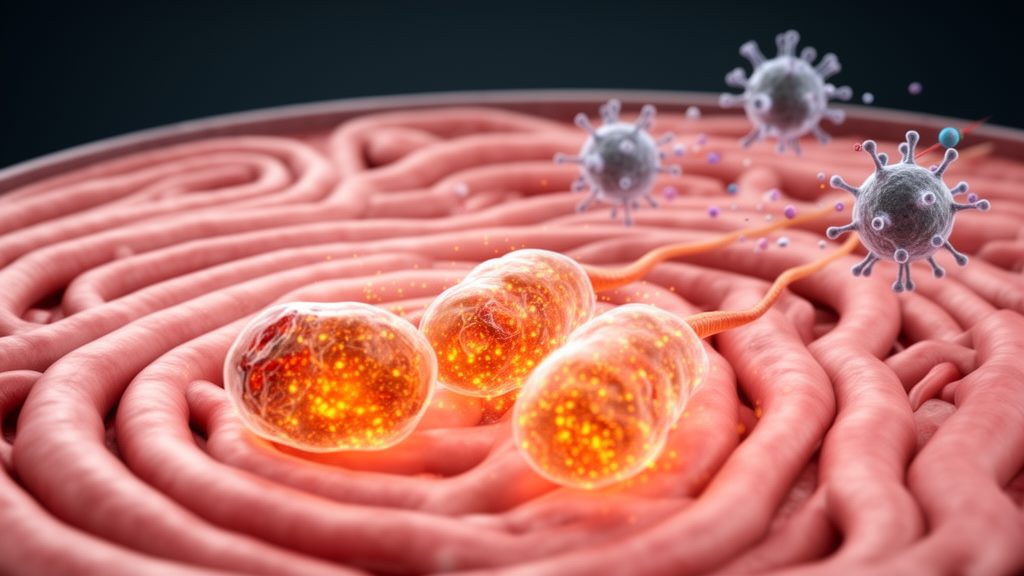
What elevates this from a story about energy production to a story about inflammation is mitochondrial DNA. Because mtDNA lacks histone protection and sits close to sites of ROS production, it is highly susceptible to oxidative modification. When mitochondrial membranes are damaged or quality control fails in injured somatic or immune cells, oxidized mtDNA can enter the cytosol and be released into the extracellular space. There it acts as a damage-associated molecular pattern, recognized by the innate immune system. Cytosolic mtDNA can be detected by the enzyme cGAS, which generates cGAMP and activates STING, TBK1, IRF3, and NF-κB, driving type I interferon and proinflammatory signaling. Oxidized mtDNA can also serve as an activation signal for the NLRP3 inflammasome, whose assembly with ASC and caspase-1 produces mature interleukin-1β and interleukin-18 and cleaves gasdermin D to trigger pyroptosis, an inflammatory form of cell death. The review emphasizes that cGAS-STING and NLRP3 are not a simple linear cascade but a potentially cross-amplifying network that can reinforce itself through NF-κB-dependent priming, mitochondrial injury, and cytokine signaling.
The strength of evidence differs sharply across this network, and the review is unusually disciplined about grading it. The most direct animal evidence comes from a rat model of varicocele in which chlorogenic acid improved mitochondrial homeostasis, reduced the release of oxidized mtDNA, and suppressed cGAS-STING- and NLRP3-related signaling, with less severe spermatogenic impairment as a result. In a non-varicocele model of testicular injury, the fungal toxin deoxynivalenol induced mitochondrial injury and cytosolic mtDNA leakage followed by activation of cGAS-STING-TBK1/IRF3 and NF-κB signaling, demonstrating cellular plausibility but not the same sequence in varicocele. Human data focus mainly on inflammasome components. One study of 32 men with grade 2 or 3 varicocele reported increased NLRP3, ASC, and IL-1β in seminal plasma, but IL-18 was lower and caspase-1 did not differ significantly, so changes were not uniform. The review concludes that evidence for NLRP3 involvement in varicocele-related inflammation is comparatively strong, while direct links among mtDNA, cGAS-STING, and NLRP3 in human varicocele-induced infertility remain unproven.
A distinctive feature of the review is its insistence on anatomical and temporal context. The authors argue that events in testicular somatic, germ, and immune cells during spermatogenesis cannot be inferred from findings in epididymal or ejaculated sperm, seminal plasma, or the female reproductive tract. Non-varicocele models show that heat stress can activate NLRP3 in Sertoli cells and that impaired mitophagy with mtDNA release can engage cGAS-STING signaling in Leydig cells, but these establish plausibility, not the same sequence in varicocele. Seminal plasma contains extracellular vesicles from several male reproductive tissues, which prevents attribution to the testis or sperm without fractionation. The review therefore applies its central mtDNA-sensing model mainly to injured nucleated cells within the testis and treats ejaculated sperm and seminal markers as downstream readouts unless source-resolved evidence is available.
Downstream consequences of the proposed axis extend into multiple forms of programmed cell death and disruption of the blood-testis barrier. Apoptosis is the best-characterized form of cell death in varicocele-related spermatogenic injury, driven by reduced mitochondrial membrane potential, an increased BAX/BCL-2 ratio, cytochrome c release, and caspase activation. Ferroptosis, pyroptosis, and necroptosis have attracted recent attention, but the review urges caution: a human sperm study found altered GPX4, RIPK1/3, and GSDME alongside increased ROS and iron levels in infertile men with bilateral varicocele, yet cross-sectional differences in protein expression are insufficient to demonstrate the complete execution of multiple cell-death programs. The authors also prefer the term ferroptosis-related changes over a definitive diagnosis of ferroptosis in mature sperm, given the absence of morphological evidence and pharmacological rescue. Separately, varicocele-related heat stress, oxidative stress, and inflammation can shift the dynamic remodeling of the blood-testis barrier toward pathological hyperpermeability, potentially exposing germ cell antigens and altering local immune cells, though the cell type that initiates this loop remains unknown.
Epigenetic alterations emerge as a potential long-term molecular imprint rather than an established outcome. Mitochondria-associated metabolites including NAD+, acetyl-CoA, α-ketoglutarate, and SAM can influence enzymes that modify DNA, histones, and RNA, providing a plausible link between mitochondrial dysfunction and epigenetic change, although direct evidence in varicocele remains insufficient. Case-control studies have identified differential sperm DNA methylation and increased expression of DNMT3A and DNMT3B in men with varicocele, and histone retention is increased in these patients. One study comparing 40 men with clinical varicocele-induced infertility to 30 fertile controls found lower sperm mitochondrial membrane potential, higher ROS and mtDNA copy numbers, and abnormal promoter methylation in several genes; three months after varicocele repair or antioxidant treatment, ROS and mtDNA copy numbers decreased, but membrane potential did not recover and methylation changes at several CpG sites persisted. The review stresses that this study had a limited sample size, heterogeneous interventions, and short follow-up, and that pregnancy and live birth were not assessed.
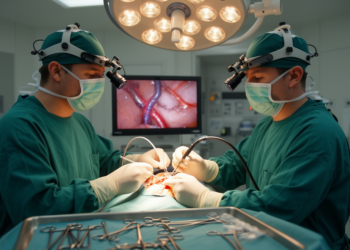
On the clinical side, the review is firm that guideline-directed varicocele repair remains the foundation of care, with current guidelines recommending consideration of repair in men attempting conception when a palpable clinical varicocele coexists with infertility and abnormal semen parameters. Meta-analyses indicate that sperm DNA fragmentation and seminal malondialdehyde decrease after repair, with improvement in DNA fragmentation most evident at approximately six months after surgery. However, better semen or molecular measures do not guarantee natural pregnancy or live birth, and no mtDNA-, cGAS-STING-, NLRP3-, ER stress-, or mitophagy-based test or treatment is ready for routine decision-making. Pathway-directed therapies remain preclinical, and the review warns that prolonged or nonselective inhibition of cGAS-STING or NLRP3 could impair antimicrobial defense and tissue homeostasis in the immune-privileged testis.
The review’s ultimate contribution is a compartment-resolved, evidence-graded working model that specifies where evidence is direct, where it is borrowed from related models, and which experiments could close the gaps. The authors call for longitudinal cohorts with paired preoperative and postoperative sampling, rigorous exclusion of reproductive tract infection and other causes of infertility, source-resolved sampling, cell-specific perturbation, and reproductive endpoints including natural pregnancy, embryo development, miscarriage, and live birth. Until thresholds, stability, and external validity are established, they argue, patients should not be assigned fixed mitochondrial or inflammatory phenotypes. The mitochondrial-inflammation axis of varicocele remains a hypothesis, but it is now a precisely mapped one, with the experiments needed to test it clearly laid out.
Subject of Research: A narrative review of the proposed mitochondrial injury-mediated oxidative stress-sterile inflammation axis in varicocele-induced infertility
Article Title: The role of the mitochondrial injury-mediated oxidative stress-sterile inflammation axis in varicocele-induced infertility: a narrative review
Article References: Zhang, J., Gao, B., Zhang, Y., Guo, J., & Zhong, C. (2026). The role of the mitochondrial injury-mediated oxidative stress-sterile inflammation axis in varicocele-induced infertility: a narrative review. Basic and Clinical Andrology, 36(1), Article 31. https://doi.org/10.1186/s12610-026-00324-2
Image Credits: AI Generated
DOI: 10.1186/s12610-026-00324-2
Keywords: varicocele, male infertility, mitochondria, oxidative stress, sterile inflammation, mtDNA, cGAS-STING, NLRP3 inflammasome, sperm DNA fragmentation, blood-testis barrier, epigenetics, narrative review
Cite Scienmag News
Ophelia Keating. (October 27, 2026). Mitochondrial Damage May Drive Varicocele Infertility Through Oxidative Stress and Sterile Inflammation. Scienmag. https://scienmag.com/mitochondrial-damage-may-drive-varicocele-infertility-through-oxidative-stress-and-sterile-inflammation/
Ophelia Keating. "Mitochondrial Damage May Drive Varicocele Infertility Through Oxidative Stress and Sterile Inflammation." Scienmag, 27 October 2026, https://scienmag.com/mitochondrial-damage-may-drive-varicocele-infertility-through-oxidative-stress-and-sterile-inflammation/. Accessed 28 October 2026.
Ophelia Keating. "Mitochondrial Damage May Drive Varicocele Infertility Through Oxidative Stress and Sterile Inflammation." Scienmag. October 27, 2026. https://scienmag.com/mitochondrial-damage-may-drive-varicocele-infertility-through-oxidative-stress-and-sterile-inflammation/