


In recent years, a tantalizing glimpse into the deep past has emerged from the study of climatic variability, vegetation dynamics, and cultural innovation in Southern Africa during the Middle Stone Age. This period, spanning approximately 280,000 to 50,000 years ago, is a crucial time for understanding human evolution and the development of early societies. A recent study led by prominent researchers including García-Morato, Sánchez-Goñi, and Urrego, brings to light critical findings that illustrate how shifting climates influenced not only the natural environment but also the cultural trajectories of early humans in this region.
The Middle Stone Age is characterized by significant advancements in stone tool technology, subsistence strategies, and social organization. The researchers conducted comprehensive analyses of paleoenvironmental data alongside archaeological findings to decipher the interplay between climate and human activities. By reconstructing ancient environments, they provide an unprecedented account of how climatic fluctuations shaped the livelihoods and innovations of early hunter-gatherer societies.
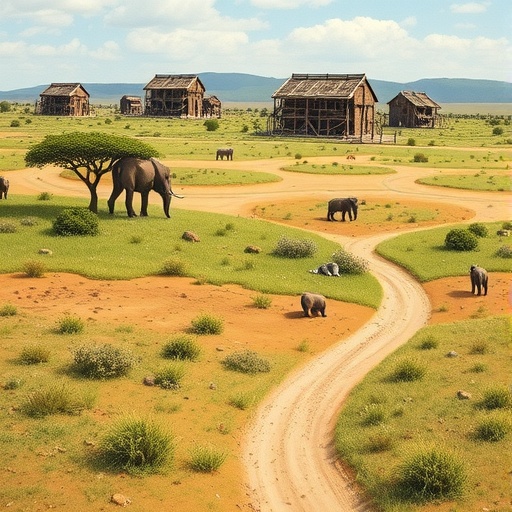
Southern Africa, a region rich in biodiversity, is particularly sensitive to climatic changes. The study delves into the complexities of how these changes affected vegetation patterns, which, in turn, had profound implications for the availability of resources. By analyzing data from sediment cores, pollen records, and other geological evidence, the team could track the transformations of the landscape over millennia. This reconstruction highlights periods of increased humidity that fostered lush vegetation and enabled a diverse range of fauna, which would have been particularly beneficial for early human populations.
Moreover, the research highlights the resilience and adaptability of early humans. During periods of aridity, for instance, communities were forced to innovate and alter their subsistence strategies. This adaptability is evident in the emergence of new tool types that complemented changing resource availability. The authors suggest that these innovations were not merely responses to environmental pressures; rather, they were manifestations of cultural evolution fueled by the dynamic interplay of ecological conditions and human creativity.
The study further explores how cultural innovations may have been influenced by social interactions within and between groups. The researchers propose that climatic variability could have acted as a catalyst for human migration, resulting in increased contact among different groups. Such interactions likely facilitated the exchange of knowledge and resources, leading to technological advancements and cultural diversification. This perspective emphasizes the importance of social networks in shaping human progress during the Middle Stone Age.
From a broader ecological viewpoint, the findings underscore the interdependence of humans and their environments. The ecological shifts brought about by climatic changes did not occur in isolation; they profoundly influenced the behavior and cultural practices of early humans. As such, the researchers argue that understanding these dynamics is critical for appreciating the resilience of human societies over time.
In light of contemporary climate change, the implications of this research resonate strongly. By investigating how ancient populations responded to past climate shifts, we can glean insights into modern human adaptability. The study serves as a reminder that adaptation is a fundamental trait ingrained within our species, manifesting through technological advancements and social cooperation.
In conclusion, the study conducted by García-Morato and colleagues provides a compelling narrative of how climatic variability shaped the dynamics of both the environment and early human cultures in Southern Africa. Their findings illuminate the intricate relationships that define human existence and underscore the ongoing relevance of historical ecological perspectives in understanding today’s climate challenges. This research not only enriches our knowledge of the past but also offers valuable lessons for navigating the uncertainties of our future in a continuously evolving world.
The legacy of the Middle Stone Age in Southern Africa demonstrates the profound impact of environmental changes on human cultural evolution. Through rigorous scientific analysis, this study opens new avenues for research and dialogue about the interplay between climate and culture. As we continue to face global climatic challenges, such historical perspectives offer essential frameworks for understanding resilience and innovation in human societies.
Ultimately, the endeavor to connect our past with present realities is more crucial than ever. In an age where climate change presents existential threats, the lessons gleaned from the Middle Stone Age may inspire modern adaptations and encourage a collective push towards sustainable futures. By looking back at how our ancestors navigated similar challenges, we may carve out pathways that honor their legacies while forging ahead into uncharted territories.
When examining the journey of humanity through the lens of climatic changes, we reveal not just the struggles of survival, but also the incredible capacity for innovation, collaboration, and resilience that have defined the human experience. The rich tapestry of our past serves as both a cautionary tale and a source of inspiration for future generations facing similar environmental trials.
Cite Scienmag News
Violet Maxwell. (January 8, 2026). Middle Stone Age: Climate, Vegetation, Culture in Southern Africa. Scienmag. https://scienmag.com/middle-stone-age-climate-vegetation-culture-in-southern-africa/
Violet Maxwell. "Middle Stone Age: Climate, Vegetation, Culture in Southern Africa." Scienmag, 8 January 2026, https://scienmag.com/middle-stone-age-climate-vegetation-culture-in-southern-africa/. Accessed 3 September 2026.
Violet Maxwell. "Middle Stone Age: Climate, Vegetation, Culture in Southern Africa." Scienmag. January 8, 2026. https://scienmag.com/middle-stone-age-climate-vegetation-culture-in-southern-africa/


