


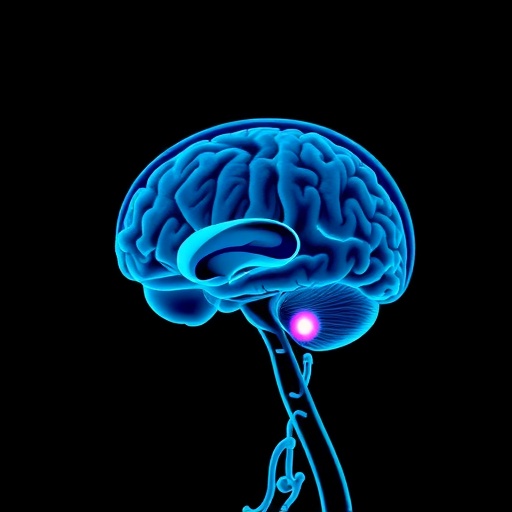
A new cohort study from Pakistan is drawing attention to the long and often overlooked danger faced by people who survive a major traumatic brain injury: leaving the hospital does not necessarily mean the crisis is over. Published in JAMA Network Open, the study reports that mortality was high among patients with moderate to severe traumatic brain injury, or msTBI, with the greatest risks observed in people with severe injuries. The findings point to a critical gap in trauma care systems, particularly in resource-limited settings where follow-up services may be scarce or difficult to access.
The study’s most striking observation was the timing of deaths after hospitalization. Most posthospital deaths occurred during the first month after discharge, a period when patients may still have impaired consciousness, reduced mobility, swallowing difficulties, seizures, infections, or complications related to brain damage. Families may also be responsible for complex care without formal training, rehabilitation support, or rapid access to medical advice. The early concentration of deaths suggests that discharge should be viewed not as the end of treatment, but as the beginning of a vulnerable transition period.
Traumatic brain injury is a major cause of death and disability worldwide. It can result from road traffic collisions, falls, assaults, workplace incidents, and other forms of blunt or penetrating trauma. In msTBI, the initial mechanical injury may be followed by secondary damage caused by swelling, bleeding, reduced oxygen delivery, seizures, inflammation, and disruption of the brain’s ability to regulate blood flow. These processes can evolve over hours or days, meaning that a patient who initially appears stable may deteriorate later. The consequences can extend well beyond the original hospitalization.
The investigators found that older age was associated with a greater risk of death. Aging can make recovery from severe injury more difficult because older adults are more likely to have cardiovascular disease, diabetes, frailty, or medications that increase bleeding risk. The aging brain and body may also have less physiological reserve, making it harder to withstand blood loss, infection, low oxygen levels, or the stress of surgery. These vulnerabilities can persist after discharge, when monitoring is less intensive and warning signs may be missed.
The analysis also associated the absence of surgical intervention with higher mortality. This finding should not be interpreted to mean that surgery is appropriate for every patient with traumatic brain injury. Neurosurgical procedures are generally considered only when imaging, neurological examination, or clinical deterioration indicates a potentially treatable problem, such as a large hematoma or dangerous pressure inside the skull. Patients who do not undergo surgery may have injuries that are too extensive to correct, conditions that are not surgically treatable, or medical circumstances that make an operation unsafe. The relationship therefore likely reflects both treatment decisions and the severity or nature of the underlying injury.
Increased injury severity was another major predictor of death. Severity is commonly assessed using neurological examinations, imaging findings, pupil responses, and the Glasgow Coma Scale, which evaluates eye opening, verbal responses, and motor responses. A lower Glasgow Coma Scale score generally indicates deeper impairment of consciousness, although it can be affected by sedation, intoxication, facial injuries, or the need for mechanical ventilation. In severely injured patients, the combination of damaged brain tissue, swelling, bleeding, and systemic complications can overwhelm the body’s ability to recover.
Pakistan’s health care system faces challenges that can make these risks especially difficult to manage. Specialized trauma centers and neurosurgical services are concentrated in major cities, while many patients travel long distances for emergency care. After discharge, access to intensive rehabilitation, home nursing, speech and swallowing therapy, physiotherapy, and specialist follow-up may be limited. Transportation costs, lost income, caregiver responsibilities, and a lack of public awareness about delayed complications can further separate survivors from the care they need.
The study’s implications extend beyond Pakistan. In many countries, trauma systems are designed to measure survival to hospital discharge, while deaths occurring at home or after transfer may be recorded inconsistently. A focus on in-hospital mortality can therefore underestimate the true burden of traumatic brain injury. Tracking patients after discharge could reveal when and why deaths occur, identify preventable complications, and help hospitals design targeted follow-up programs. Early telephone checks, structured discharge instructions, rapid reassessment pathways, and coordination with community health workers could be practical ways to support high-risk patients.
The authors’ findings underscore the need for a continuum of care that begins at the scene of injury and continues through emergency treatment, neurosurgical decision-making, discharge planning, and recovery at home. Patients with severe injuries and older adults may require particularly close surveillance during the first month after leaving the hospital. Although the study does not establish that any single intervention prevents death, it identifies a clear danger window and highlights the consequences of fragmented care. In settings where resources are constrained, directing follow-up toward those at highest risk could become an important step in reducing avoidable mortality after traumatic brain injury.
Web References: https://doi.org/10.1001/jamanetworkopen.2026.28403
References: Kumar K, et al. Study published in JAMA Network Open. DOI: 10.1001/jamanetworkopen.2026.28403
Cite Scienmag News
Cassandra Pierce. (August 12, 2026). Traumatic Brain Injury Outcomes in a Low-Resource Setting. Scienmag. https://scienmag.com/traumatic-brain-injury-outcomes-in-a-low-resource-setting/
Cassandra Pierce. "Traumatic Brain Injury Outcomes in a Low-Resource Setting." Scienmag, 12 August 2026, https://scienmag.com/traumatic-brain-injury-outcomes-in-a-low-resource-setting/. Accessed 4 September 2026.
Cassandra Pierce. "Traumatic Brain Injury Outcomes in a Low-Resource Setting." Scienmag. August 12, 2026. https://scienmag.com/traumatic-brain-injury-outcomes-in-a-low-resource-setting/


