


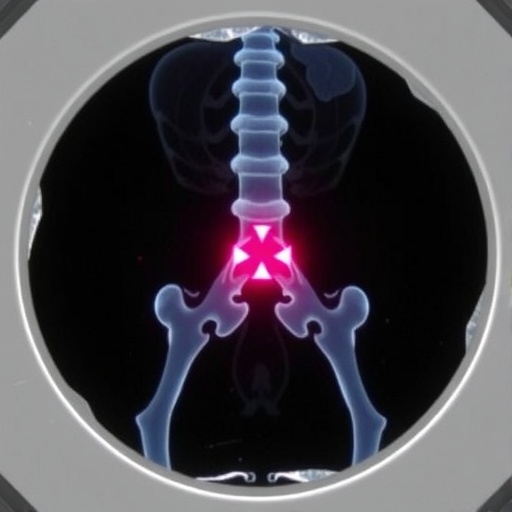
In a groundbreaking study set to reshape the landscape of pediatric imaging, researchers have unveiled a novel approach to hip imaging that promises to significantly reduce the radiation exposure for young patients. This pioneering work, led by an esteemed team of specialists, has introduced a sub-milliSievert (sub-mSv) computed tomography (CT) technique. Traditionally, pelvic radiography is the go-to method for diagnosing hip issues in children and young adults; however, the associated radiation risk has raised concerns among healthcare professionals and parents alike. The study aims to provide a safer alternative that still delivers high-quality imaging results.
The implications of this research are profound when considering the rising concern regarding radiation exposure in pediatric patients. Children are particularly vulnerable to the harmful effects of ionizing radiation due to their developing organs and longer expected lifespans, which increases their chances of developing radiation-induced conditions later in life. The researchers recognized this pressing need and sought to develop a technique that mitigates these risks while maintaining diagnostic efficacy.
Through meticulous experimentation and analysis, the researchers successfully refined existing CT technology to produce high-resolution images using a fraction of the radiation typically employed in standard procedures. This advancement not only fulfills the clinical need for effective imaging but also resonates with the ethical responsibility of minimizing harm in medical practices targeted at vulnerable populations. By utilizing innovative algorithms and advanced imaging techniques, they crafted a protocol that significantly lowers the radiation dose without sacrificing image quality.
The potential of sub-mSv CT will be particularly influential in pediatric orthopedic settings, where quick and accurate assessments are imperative. For instance, hip disorders such as developmental dysplasia, fractures, and infections can have serious long-term consequences if not diagnosed and treated promptly. The introduction of this new imaging technique can facilitate immediate and accurate diagnoses, thereby expediting treatment processes and improving patient outcomes.
Moreover, the researchers demonstrated how the new technique could be integrated into standard clinical workflows with minimal disruption. By offering practical guidelines and recommendations for radiology departments, they ensured that the implementation of this low-radiation modality could be smoothly integrated into existing practices. This is instrumental in encouraging adoption among medical professionals who may be reluctant to change tried-and-true processes.
The study not only raises hope for enhanced safety in pediatric imaging but also sets a precedent for future research in the field. As medical technology continues to advance, the demand for improved imaging techniques that prioritize patient safety will only increase. This work exemplifies how innovation in healthcare can meet both clinical and ethical standards, fostering a culture of safety without compromising diagnostic accuracy.
Furthermore, the findings of this study could resonate beyond the realm of pediatric care, ultimately influencing imaging protocols for adults as well. As radiological techniques evolve, the principles behind the sub-mSv CT can be adapted for use in various populations, thereby amplifying its impact on public health. The legal and ethical implications of reducing radiation exposure translate to considerable advantages across healthcare systems.
In addition to its clinical relevance, this new imaging method is anticipated to inspire future studies dedicated to refining and optimizing radiographic techniques. Subsequent research could focus on assessing long-term outcomes for patients who undergo this new imaging modality compared to those who receive traditional methods. Such studies will be crucial in validating the effectiveness and safety of the sub-mSv CT protocol.
Ultimately, this novel approach to pediatric hip imaging embodies a critical advancement in the intersection of technology and healthcare. As the medical community increasingly acknowledges the importance of safeguarding the well-being of young patients, innovations like the sub-mSv CT technique serve as a beacon of hope, illuminating the path toward enhanced diagnostic care that prioritizes safety and efficacy.
In conclusion, the introduction of a sub-mSv CT technique marks a significant milestone in pediatric imaging. With its potential to drastically reduce radiation exposure while maintaining high diagnostic standards, it exemplifies the future of medical imaging. The collaborative efforts of the research team reflect a commitment to advancing healthcare for the next generation, ensuring that children receive the best possible care with the least possible risk.
This study not only addresses a critical healthcare challenge but also emphasizes the importance of continuous innovation in medical imaging. The ongoing pursuit of safer, more effective methods will undoubtedly lead to further advancements that could revolutionize how medical professionals approach diagnostics and patient care in the years to come.
This vital research sets the stage for an era in which advancements in technology and methodology converge to protect and empower young patients, delivering on the promise of medicine that is as compassionate as it is cutting-edge.
Sun, P., Chu, R., Tsai, A. et al. Sub-mSv CT for pediatric and young adult hip imaging: a low-radiation-dose alternative to pelvic radiography.
Pediatr Radiol (2025). https://doi.org/10.1007/s00247-025-06443-8
Cite Scienmag News
Nathaniel Bowman. (November 28, 2025). Low-Dose CT: Safer Hip Imaging for Kids. Scienmag. https://scienmag.com/low-dose-ct-safer-hip-imaging-for-kids/
Nathaniel Bowman. "Low-Dose CT: Safer Hip Imaging for Kids." Scienmag, 28 November 2025, https://scienmag.com/low-dose-ct-safer-hip-imaging-for-kids/. Accessed 4 September 2026.
Nathaniel Bowman. "Low-Dose CT: Safer Hip Imaging for Kids." Scienmag. November 28, 2025. https://scienmag.com/low-dose-ct-safer-hip-imaging-for-kids/


