


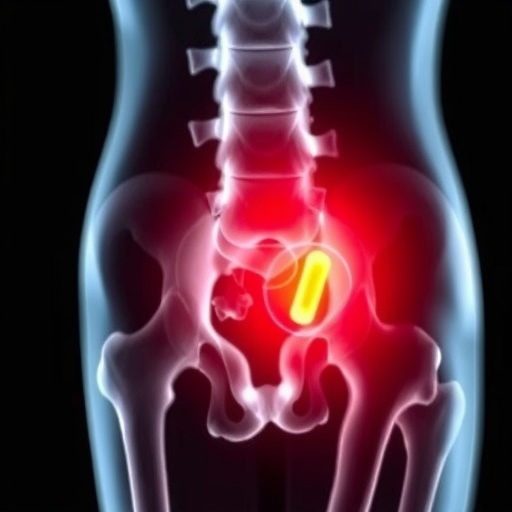
In recent years, isotretinoin has garnered significant attention within the dermatological and medical communities, primarily as a potent medication used to treat severe acne. This drug, a derivative of vitamin A, has shown remarkable efficacy in reducing the formation of acne by targeting sebaceous gland activity. However, alongside its therapeutic benefits, a growing body of research has raised concerns regarding its potential side effects, particularly concerning bone health. A new systematic review and meta-analysis led by Ershadi and colleagues seeks to shed light on the complex relationship between isotretinoin use and bone mineral density, a critical measure of bone health that indicates strength and risk of fractures.
While it is widely accepted that isotretinoin is effective for treating acne, the implications of its long-term use have not been universally understood. The systematic review conducted by Ershadi, Gregoire, Sanchez, et al. brings forward a comprehensive evaluation of existing literature around the effects of this medication on bone mineral density. This effort is crucial, especially as more individuals, both adolescents and adults, are prescribed isotretinoin for treatment-resistant acne conditions. Understanding the full spectrum of its impact on skeletal health is essential for healthcare providers in making informed treatment decisions.
One of the standout findings of this research is the observed decrease in bone mineral density among users of isotretinoin. The evidence suggests that the drug may alter bone remodeling processes, potentially leading to adverse outcomes in bone mass and strength. Bone remodeling is a natural process that involves the resorption of old bone and the formation of new bone tissue. Any disturbances in this delicate balance can lead to decreased bone density, thereby increasing the risk of osteopenia and osteoporosis, particularly in younger patients whose bones are still developing.
The implications of reduced bone mineral density are profound. A decrease in bone strength can predispose individuals to fractures, particularly in the elderly and those with pre-existing conditions. Therefore, the questions arise: how significant is the risk, and what can patients do to mitigate this, especially considering isotretinoin’s vital role in controlling severe acne? The researchers have meticulously dissected the available studies, examining dose-response relationships and duration of treatment to calculate a clearer risk profile for patients.
Moreover, the study explores potential mechanisms behind isotretinoin’s influence on bone health. Isotretinoin is known to affect various biological pathways, including those involved in vitamin A metabolism and its receptors, which play significant roles in bone homeostasis. This interplay suggests that isotretinoin could disrupt the normal signaling pathways responsible for bone formation and resorption. Furthermore, the systemic effects of isotretinoin have been documented in other organ systems, signaling the possibility of widespread physiological impacts that extend beyond the skin.
As the research uncovers these connections, it’s becoming increasingly clear that medical professionals should consider bone health when prescribing isotretinoin. This is particularly pertinent for young patients, who may face long-term implications of reduced bone density if they undergo prolonged treatment. Education about the potential risks and the importance of monitoring skeletal health is critical for anyone undergoing isotretinoin therapy, setting a precedent for informed consent and shared decision-making in healthcare.
In light of these findings, there is a call for further research to delve deeper into the specific populations at greatest risk of bone density loss due to isotretinoin. Longitudinal studies are necessary to track bone health over time in isotretinoin users, as well as systematic exploration of preventative strategies that could be employed, such as dietary modifications, supplementation, or alternative therapies that maintain acne control while safeguarding bone health.
The main takeaway from Ershadi et al.’s review is that while the therapeutic benefits of isotretinoin are well-documented and widely accepted, patients and clinicians must remain vigilant regarding its potential impacts on bone density. This research serves as a critical reminder of the need to balance effective acne treatment with comprehensive health considerations.
As the medical field advances and new treatment options become available, it will be essential to incorporate findings like these into clinical practice guidelines. This systematic review not only highlights key concerns associated with isotretinoin but also emphasizes the importance of ongoing research and monitoring of patients undergoing treatment. By doing so, the healthcare community can ensure that patients receive optimal care that addresses both their dermatological needs and overall health.
In conclusion, the discourse surrounding isotretinoin and its effects on bone mineral density highlights an important intersection of dermatology, endocrinology, and patient care. As more evidence is gathered, it may pave the way for enhanced treatment protocols, where patient safety and health outcomes take center stage. For individuals grappling with severe acne, the knowledge gained from this review and future research will ultimately play a vital role in promoting their overall health and well-being.
Ershadi, S., Gregoire, S., Sanchez, K. et al. The effect of isotretinoin on bone mineral density: a systematic review and meta-analysis.
Arch Dermatol Res 318, 19 (2026). https://doi.org/10.1007/s00403-025-04453-y
Cite Scienmag News
Ophelia Keating. (January 19, 2026). Isotretinoin’s Impact on Bone Density: A Review. Scienmag. https://scienmag.com/isotretinoins-impact-on-bone-density-a-review/
Ophelia Keating. "Isotretinoin’s Impact on Bone Density: A Review." Scienmag, 19 January 2026, https://scienmag.com/isotretinoins-impact-on-bone-density-a-review/. Accessed 3 September 2026.
Ophelia Keating. "Isotretinoin’s Impact on Bone Density: A Review." Scienmag. January 19, 2026. https://scienmag.com/isotretinoins-impact-on-bone-density-a-review/


