


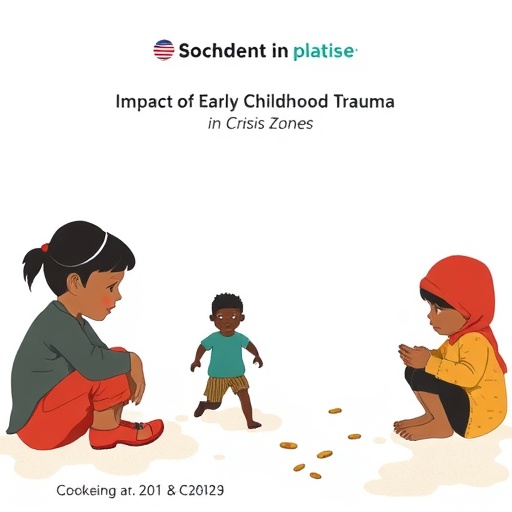
In the complexities of modern humanitarian crises, early childhood trauma has emerged as a critical area of concern for policymakers, caregivers, and mental health professionals alike. New research sheds light on the myriad factors contributing to this form of trauma and the profound effects it has on affected children. A comprehensive review highlights not only the emotional and psychological ramifications experienced by children in crisis settings but also the broader implications for society as a whole. Understanding these dynamics is vital to developing effective interventions aimed at mitigating the long-term impacts of trauma on young minds.
Childhood represents a formative stage characterized by growth, learning, and development. However, for children growing up in humanitarian settings ravaged by war, displacement, and disaster, this natural process is often interrupted by disturbing experiences that can have lasting psychological consequences. The study under review meticulously outlines how these traumatic experiences — which can include exposure to violence, loss of family members, and lack of access to basic needs — significantly disrupt emotional and cognitive development during this critical period of life.
The research identifies various contributing factors to early childhood trauma in crisis settings. Environmental stressors such as instability, poverty, and displacement play a significant role in exacerbating children’s vulnerability. For instance, many children are forced to witness horrific events that would leave an indelible mark on their psyche. The cumulative effect of constant fear and anxiety doesn’t only rob children of their childhood; it perpetuates a cycle of trauma that can affect generations.
The physiological ramifications of early childhood trauma are equally alarming. The stress associated with traumatic experiences can trigger toxic stress responses in the developing brain, which might hinder the formation of essential neural pathways necessary for social and emotional learning. Moreover, when children are deprived of stable and nurturing relationships—due to factors such as caregiver absence or instability—it can erode their innate resilience, making recovery even more challenging.
Equally significant is the impact of cultural factors on childhood trauma. Different cultures may respond to trauma in unique ways, which can complicate both recognition and treatment. In some communities, discussing mental health openly is still a taboo, preventing children and families from seeking help. Consequently, tailored interventions that consider cultural contexts become imperative for effective mental health support in these settings.
In addition to identifying causative factors, the study elaborates on the long-term psychological effects of early trauma. Children who experience significant disruption in their formative years are at an increased risk of developing mental health issues such as anxiety, depression, and post-traumatic stress disorder. These issues frequently persist into adulthood, leading to a cyclical pattern of mental health challenges that can affect not just individuals but entire communities.
The children experiencing these traumas often exhibit notable behavioral changes, such as aggression, withdrawal, and emotional dysregulation. These maladaptive behaviors can hinder academic performance and social interactions, further isolating these children from their peers and communities. The isolation exacerbates their sense of alienation, ultimately perpetuating a vicious cycle of trauma and dysfunction.
Understanding the complex interplay of factors contributing to early childhood trauma is essential for developing effective support systems. The research emphasizes the need for comprehensive training programs for caregivers and educators focused on trauma-informed care. With the right tools and knowledge, those who work directly with children can create safe and supportive environments, minimizing the negative impacts of trauma on development.
Furthermore, powerful narratives must be constructed around the plight of traumatized children. Advocacy and media engagement play vital roles in raising awareness about the mental health needs of children in crisis contexts. Sharing stories of resilience and recovery can help dismantle stigma and foster greater empathy among broader audiences, urging communities and governments to take action.
While the findings of the study certainly paint a dire picture, they also illuminate paths toward healing and recovery. Community-based interventions that emphasize resilience can empower children to overcome their traumas, leading to better emotional and social outcomes. Programs designed to foster social cohesion and provide safe spaces for children can create opportunities for play, creativity, and connection—elements crucial for healthy development.
Collaboration among humanitarian organizations, mental health professionals, and local communities is essential to drive effective interventions. By pooling resources and knowledge, these stakeholders can implement best practices tailored to specific cultural and regional needs, thus creating a more effective response to early childhood trauma in crisis settings. Innovative programs that integrate mental health support into primary healthcare can yield substantial benefits for affected populations.
Finally, the role of policy cannot be underestimated. Governments and international agencies need to prioritize mental health in their humanitarian responses, recognizing the profound impact of childhood trauma on societal health. By establishing clear policies and guidelines around mental health support, they can catalyze a shift toward more comprehensive and sustainable solutions for affected children.
In summary, the research underscores the urgent need to address early childhood trauma within humanitarian crisis settings. By understanding the factors at play and their long-lasting effects, stakeholders can develop targeted interventions that promote healing and resilience. It’s time for a concerted effort to support the most vulnerable among us and ensure that every child has the opportunity to heal and thrive despite the adversities they may face.
Isarinade, D.T., Ajayi, F.O., Adebajo, G.O. et al. Early Childhood Trauma in Humanitarian Crisis Settings: Factors and Effects (A Review).
Discov Ment Health 5, 151 (2025). https://doi.org/10.1007/s44192-025-00206-5
Cite Scienmag News
Glenn Wilkins. (October 14, 2025). Impact of Early Childhood Trauma in Crisis Zones. Scienmag. https://scienmag.com/impact-of-early-childhood-trauma-in-crisis-zones/
Glenn Wilkins. "Impact of Early Childhood Trauma in Crisis Zones." Scienmag, 14 October 2025, https://scienmag.com/impact-of-early-childhood-trauma-in-crisis-zones/. Accessed 4 September 2026.
Glenn Wilkins. "Impact of Early Childhood Trauma in Crisis Zones." Scienmag. October 14, 2025. https://scienmag.com/impact-of-early-childhood-trauma-in-crisis-zones/


