


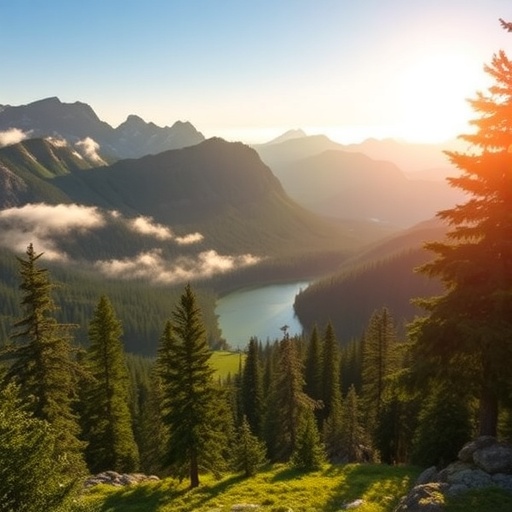
Spending time in natural environments holds profound significance for human well-being, extending far beyond mere stress relief or fleeting pleasures. A groundbreaking study conducted by researchers at the University of Turku in Finland reveals that nature profoundly facilitates eudaimonic well-being, a state of deeper, lasting fulfillment rooted in meaning and self-realization. This research highlights the vital role nature plays in fostering connections within ourselves and with others, challenging conventional understandings of psychological health by revealing nature’s power to nurture purpose, autonomy, and growth.
The multidisciplinary team of geographers designed a multi-method approach to investigate how nature impacts long-term well-being. By integrating survey data from 158 Finnish residents of Turku—a mid-sized urbanized coastal city—with insights drawn from creative writing workshops involving 20 participants, the study probes beneath surface-level emotional responses to reveal how natural surroundings support fundamental aspects of identity and psychological flourishing. This comprehensive framework enables a nuanced exploration of eudaimonic well-being, which contrasts with hedonic well-being by emphasizing deeper values such as self-acceptance, meaningful relationships, and purposeful living.
Central to the study was the distinction between age groups, with younger individuals aged 15 to 24 and older adults over 60 providing comparative perspectives on their nature experiences. Both demographics shared a sentiment of nature as a non-judgmental, accepting presence that promotes introspection and personal acceptance. This finding underscores the universality of nature’s psychological refuge, which acts as a catalyst for self-compassion regardless of life stage, reflecting a fundamental human need for spaces free from social evaluation where authentic self-connection can thrive.
Beyond individual self-acceptance, the study reveals how engagement with natural settings enhances agency and autonomy, two pillars of eudaimonic well-being. Participants described nature as a medium through which they could better align with their own values and goals. The environment encourages a reflective state, inviting individuals to access intrinsic motivations and initiate personal growth. This transformative capacity suggests that nature is not just a backdrop for leisure but an active agent in psychological development, fostering a profound sense of empowerment and life management in a rapidly changing world.
A striking divergence emerged in how different age groups used natural settings to meet their psychological needs. Older adults placed great value on fostering intergenerational connections through nature, often engaging with grandchildren and consciously avoiding technology to deepen relational bonds. For this group, nature acted as a sacred space for agency and active participation, providing a meaningful context in which to nurture family ties while preserving cultural and generational continuity. This aspect of the research highlights an often overlooked dimension of natural environments as sites of social and familial cohesion.
In contrast, younger participants sought solitude in nature, using it as a sanctuary for emotional expression and self-discovery. For them, natural spaces offered both mental and physical freedom—an open canvas where they could retreat to explore their inner worlds without external distractions. Importantly, nature enabled youth to feel more comfortable in silent companionship with others, suggesting that these environments encourage forms of social connection that transcend verbal interaction, fostering emotional safety and acceptance within peer groups.
The research also delved into the spiritual dimensions of nature engagement, which were notably more pronounced among older adults. Many reported experiencing a sense of being part of a greater whole while immersed in natural settings. This dual perception of meaningfulness paired with insignificance serves to shift focus away from self-centered concerns toward an expanded awareness of interconnectedness. Such spiritual experiences enhance self-acceptance by promoting humility and a reconnection to the broader ecosystem, reinforcing the intrinsic link between human identity and environmental belonging.
The comforting permanence of natural environments emerged as a critical factor supporting psychological stability. Participants described nature as a dependable element amidst the fast-paced transformations of modern life, where phenomena like urbanization and climate change contribute to a profound sense of disruption. However, this sense of continuity was compromised by visible environmental degradation, heightening eco-anxiety especially among younger individuals who felt guilty about humanity’s collective ecological footprint. This awareness diminished nature’s comforting potential and posed unique challenges to self-acceptance by introducing moral conflict into the psychological equation.
Both age groups expressed widespread concern about the future availability of natural spaces, which in turn threatened participants’ sense of purpose and existential security. The possible loss of these vital environments calls into question the sustainability of eudaimonic well-being itself, as the study demonstrates that our psychological well-being is deeply enmeshed with nature’s ongoing presence. This finding places urgent ethical and policy dimensions on conversations about urban planning and environmental conservation, emphasizing how safeguarding natural landscapes is integral to human flourishing.
The researchers emphasize that their work pushes beyond common conceptions of nature’s benefits as temporary stress relief or sources of momentary joy. Instead, it highlights the identity-level connections people form with natural environments, connections that gradually crystallize into guiding principles and frameworks for living. Recognizing the profound role nature plays in shaping self-understanding and social relations invites a paradigm shift in how well-being is conceptualized within psychological and environmental sciences.
Moreover, the study underscores the importance of public discourse on nature’s meaning in human lives, advocating for these insights to inform decision-making processes and urban development strategies. Too often, natural areas are sacrificed to built infrastructure, ignoring their foundational role in sustaining psychological health. This research supports a revaluation of nature not as an expendable backdrop but as a vital component of holistic human ecosystems that demand preservation and integration in policy domains.
The innovative incorporation of creative writing workshops provided a unique methodological lens, allowing participants to articulate nuanced personal experiences often difficult to capture through traditional quantitative methods. This artistic dimension enriched the data by fostering introspection and expression, making visible the subtle ways nature intertwines with individual identity and communal ties. The collaboration between geographers, creative writing educators, and artists exemplifies an interdisciplinary approach essential for unpacking complex psychosocial phenomena.
Funded by the Maj and Tor Nessling Foundation, this study represents an important contribution to contemporary environmental psychology and geography, providing empirical evidence for the deep-rooted benefits of nature beyond surface-level effects. The findings invite broader scientific and societal engagement with the questions of how natural environments can be protected and incorporated into everyday life to nurture the soul, foster resilience, and sustain meaningful connections across generations.
As cities continue to expand and ecological crises intensify, these insights offer a hopeful narrative: nature is an indispensable resource for human well-being, capable of nurturing purpose, growth, and connection in ways that modern urban settings often fail to provide. Prioritizing access to and preservation of natural spaces should be seen as integral to public health policy and community planning. In doing so, society can nurture not just momentary happiness but enduring fulfillment rooted in the profound relationships we maintain with the natural world and each other.
News Publication Date: 13-Aug-2025
Web References: 10.1002/pan3.70104
Cite Scienmag News
Violet Maxwell. (August 26, 2025). Immersive Nature Experiences Enhance Life’s Depth and Meaning, New Research Shows. Scienmag. https://scienmag.com/immersive-nature-experiences-enhance-lifes-depth-and-meaning-new-research-shows/
Violet Maxwell. "Immersive Nature Experiences Enhance Life’s Depth and Meaning, New Research Shows." Scienmag, 26 August 2025, https://scienmag.com/immersive-nature-experiences-enhance-lifes-depth-and-meaning-new-research-shows/. Accessed 4 September 2026.
Violet Maxwell. "Immersive Nature Experiences Enhance Life’s Depth and Meaning, New Research Shows." Scienmag. August 26, 2025. https://scienmag.com/immersive-nature-experiences-enhance-lifes-depth-and-meaning-new-research-shows/


