


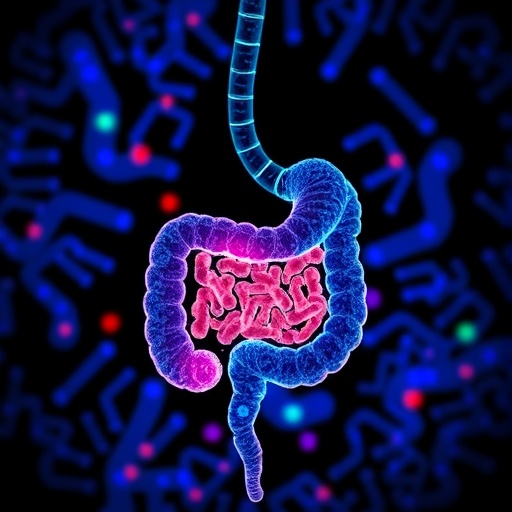
In a groundbreaking development poised to reshape our understanding of pediatric neurological disorders, researchers have unveiled compelling insights into the gut microbiota of children newly diagnosed with epilepsy. The study, conducted by a multidisciplinary team from Japan, delved into the intricacies of the intestinal microbial ecosystems in treatment-naïve patients, offering a fresh perspective on the potential microbial underpinnings of epileptogenesis. Published in Pediatric Research on April 24, 2026, this research stands at the nexus of neurology and microbiology, shedding crucial light on how the gut-brain axis may influence the pathophysiology of epilepsy.
Epilepsy, a chronic neurological disorder marked by recurrent seizures, affects millions worldwide, with a significant proportion of cases manifesting during childhood. Historically, epilepsy has been primarily examined through the lens of neural dysfunctions and genetic predispositions. However, the gut microbiome — a complex community of trillions of microorganisms inhabiting the digestive tract — has recently emerged as a vital player in modulating brain function and behavior via the gut-brain axis. Until now, however, data regarding the microbiota profiles of children immediately following epilepsy onset, especially prior to any therapeutic interventions, remained scarce.
The Japanese research team set out with the objective of characterizing gut microbial communities in children at the very nascent stages of epilepsy—prior to the commencement of any antiepileptic medications. This approach is particularly noteworthy because treatment modalities themselves can significantly alter microbial compositions, complicating interpretations of causality and association. By focusing on treatment-naïve subjects, the investigators aimed to identify microbial signatures intrinsically linked to the disease state rather than those confounded by pharmacotherapy.
Utilizing cutting-edge metagenomic sequencing and bioinformatic analyses, the researchers performed comprehensive profiling of fecal samples collected from pediatric patients shortly after epilepsy diagnosis. These advanced methodologies enabled precise identification and quantification of microbial taxa at various taxonomic levels, providing a high-resolution window into the gut ecosystem. Comparative assessments were then executed between patients and age-matched, neurologically healthy controls to delineate distinct microbial patterns.
Results revealed pronounced alterations in the gut microbiota of children with new-onset epilepsy. Notably, certain bacterial genera demonstrated significant depletion, while others were markedly enriched relative to controls. These perturbations suggest a state of microbial dysbiosis that may be intricately linked to epileptogenesis. The findings echo growing evidence from animal models wherein manipulation of gut microbiota impacted seizure susceptibility, thereby reinforcing potential mechanistic links between microbial communities and neuronal excitability.
One of the most striking aspects of this study was the identification of specific microbial taxa that may exert neuromodulatory functions through metabolite production. Several of the altered bacteria are known producers of short-chain fatty acids (SCFAs), such as butyrate and propionate, which have been implicated in maintaining blood-brain barrier integrity and modulating neuroinflammation. Dysregulation of SCFA-producing microbes might therefore contribute to a pro-epileptic milieu by enhancing neuroinflammatory pathways and neuronal hyperexcitability.
Beyond metabolite shifts, the research also points to immune system interactions shaped by microbiota alterations. The gut immune environment is pivotal in regulating systemic inflammation and maintaining neural homeostasis. Dysbiotic gut communities can trigger peripheral immune responses that may permeate into central nervous system circuits, potentially lowering the seizure threshold. This interrelationship underscores the importance of considering immune-microbiota crosstalk in epilepsy pathogenesis.
Furthermore, the study explored functional predictions of the gut metagenome, revealing disruptions in pathways related to neurotransmitter synthesis and degradation. Microbial involvement in the glutamatergic and GABAergic systems is of particular interest given their centrality to seizure generation and propagation. Alterations in microbial genes linked to these neurotransmitters may influence their systemic availability, thereby modulating neuronal excitability.
The timing of these microbiota changes is also clinically significant. The fact that alterations are evident immediately after epilepsy onset, before any pharmacological intervention, raises intriguing questions about causality versus consequence. Are these microbial patterns driving the pathological neural activity, or are they early markers of underlying pathological processes? Deciphering this will require longitudinal studies tracking microbial dynamics relative to disease progression and treatment response.
Implications of this study extend well beyond biomarker discovery. They pave the way for innovative therapeutic strategies aimed at modulating the gut microbiota to alleviate or even prevent seizures. Probiotics, prebiotics, dietary interventions, and fecal microbiota transplantation represent promising avenues warranting rigorous clinical trials. Targeting the microbiome could complement existing antiepileptic drugs, potentially improving efficacy and reducing side effects.
The integrative nature of this research also highlights the necessity of collaboration between neurologists, microbiologists, immunologists, and bioinformaticians. Harnessing interdisciplinary expertise is key to unlocking the complex interplay between gut microbes and brain disorders. Such collaborations could accelerate the translation of microbiome research into personalized medicine applications tailored for pediatric epilepsy.
Moreover, while this study focuses on epilepsy, its findings resonate with broader neuroscience themes linking gut ecosystems to neurodevelopmental and neuropsychiatric disorders. Disorders such as autism spectrum disorder, depression, and multiple sclerosis have all demonstrated associations with gut microbiota, suggesting a common underlying gateway through the gut-brain axis pathways.
In summary, this pioneering investigation by Fujishiro and colleagues represents a major stride toward elucidating the microbial component of epilepsy’s etiology in children. The characterization of treatment-naïve gut microbiota profiles not only enriches fundamental scientific understanding but also holds tangible promise for revolutionizing diagnosis, prognosis, and treatment. As the field progresses, microbiome-focused interventions may soon become indispensable tools in the neurological armamentarium.
This study’s release invigorates the ongoing quest to untangle the gut-brain relationship in childhood disorders, inspiring hope for more effective, personalized, and minimally invasive therapies. The concerted efforts to map the microbial landscapes that co-evolve with neurological disease underscore how profoundly interconnected our bodies truly are—a gesture of nature’s intricate design linking microbes to mind.
Cite Scienmag News
Morgan Morrow. (April 25, 2026). Gut Microbiota in Children with New Epilepsy. Scienmag. https://scienmag.com/gut-microbiota-in-children-with-new-epilepsy/
Morgan Morrow. "Gut Microbiota in Children with New Epilepsy." Scienmag, 25 April 2026, https://scienmag.com/gut-microbiota-in-children-with-new-epilepsy/. Accessed 4 September 2026.
Morgan Morrow. "Gut Microbiota in Children with New Epilepsy." Scienmag. April 25, 2026. https://scienmag.com/gut-microbiota-in-children-with-new-epilepsy/


