


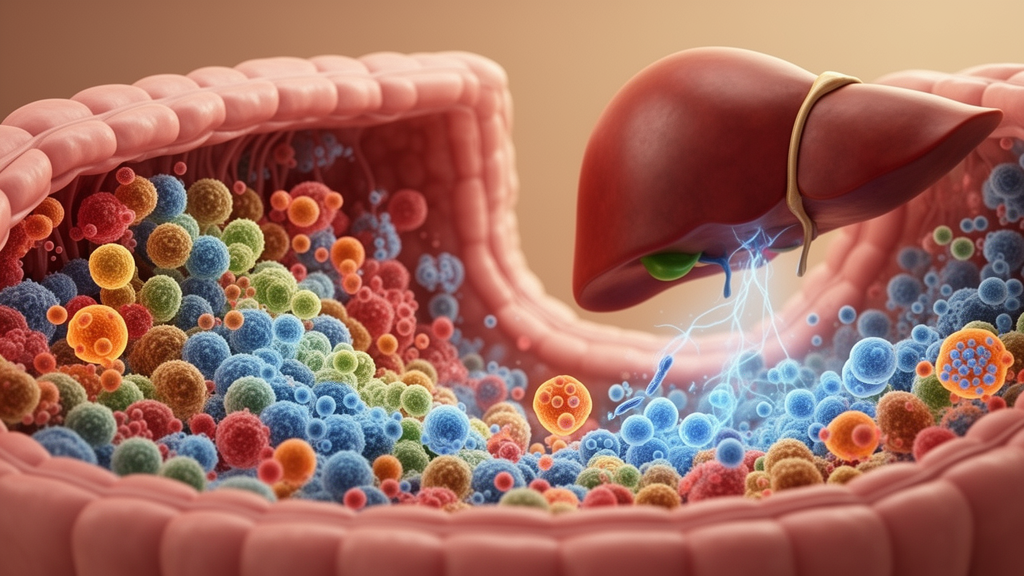
The gut microbiome may help explain why people with metabolic dysfunction-associated steatohepatitis (MASH) respond differently to pharmacological therapies that act through distinct metabolic pathways. A review of experimental and clinical evidence concludes that microbial bile acids, short-chain fatty acids, sphingolipids and other metabolites could shape the biological environment in which these treatments operate. However, direct human evidence linking baseline microbial features to treatment outcomes remains scarce for most drug classes, so the findings identify testable mechanisms rather than a validated method for selecting patients for particular therapies.
MASH, previously called non-alcoholic steatohepatitis, is the progressive inflammatory phenotype within metabolic dysfunction-associated steatotic liver disease, formerly known as non-alcoholic fatty liver disease. The authors describe this disease spectrum as the most prevalent chronic liver disease worldwide, affecting more than 38% of the adult population. MASH is characterized by hepatocellular injury, lobular inflammation and fibrosis, with fibrosis identified as the strongest predictor of liver-related outcomes and a primary endpoint in therapeutic development. Available and investigational treatments target interconnected pathways involving bile acids, lipid and glucose metabolism, thyroid hormone signaling and incretins, yet patients differ substantially in whether they achieve MASH resolution, fibrosis improvement or both. It remains uncertain whether pretreatment microbial communities, their metabolic capacity, or microbiome changes induced during treatment account for some of this variability.
The proposed biological basis is bidirectional. Microbial enzymes transform primary bile acids into secondary compounds, including deoxycholic acid and lithocholic acid, while microbial fermentation of dietary fiber produces short-chain fatty acids such as acetate, propionate and butyrate. These metabolites can affect intestinal barrier function, glucose and lipid metabolism, immune activity, oxidative stress and fibrogenic signaling. They may also overlap with pathways targeted by MASH drugs. In the other direction, treatment can alter microbial composition or metabolic output. Observing such remodeling, however, does not prove that the microbiome caused a response, modified drug exposure or changed target engagement. A microbiome-mediated pharmacokinetic interaction would require evidence that microbial activity alters drug biotransformation or systemic exposure, while a pharmacodynamic interaction would require evidence that microbial features modify target engagement or downstream responses at a given exposure. Direct evidence of either mechanism is currently lacking for the therapies considered.
Bile-acid biology provides the clearest potential connection between the microbiome and drug action. Farnesoid X receptor, or FXR, is activated by endogenous bile acids and regulates hepatic bile-acid synthesis and intestinal feedback through FGF19. Because microbial activity helps determine the composition and signaling properties of the bile-acid pool, differences among patients could alter the context in which FXR agonists operate. Preclinical studies of obeticholic acid in mice have produced contrasting findings: Akkermansia muciniphila and Bifidobacterium bifidum have been associated with changes in FXR expression and protection from steatotic liver disease in high-fat-diet models, whereas another mouse model found enrichment of Bacteroides, increased reactive oxygen species, hepatocellular injury, hepatic stellate-cell activation and fibrogenic signaling after treatment. Human trials have not established that either microbial pattern predicts who benefits from an FXR agonist.
Evidence for peroxisome proliferator-activated receptor, or PPAR, agonists also comes mainly from animals. In a rat model of steatotic liver disease, the PPARα modulator pemafibrate reversed liver steatosis alongside marked remodeling of gut microbial composition and fecal bile acids. Other preclinical studies have linked PPAR-related effects to butyrate, which promoted fatty-acid oxidation and suppressed inflammation in high-fat-fed mice, and to a microbial linoleic-acid metabolite that inhibited TGF-β/Smad3 signaling in hepatic stellate cells. Lanifibranor and saroglitazar have reached phase II or III clinical development, but direct studies have not established whether baseline microbiome functions explain differences in their efficacy. The review therefore proposes that measured microbial outputs may be more informative than individual bacterial taxa, whose abundance varies with diet, host metabolic status, sampling site and laboratory methods.
Therapies based on fibroblast growth factors require different microbial hypotheses. Engineered FGF19 analogues suppress bile-acid synthesis through hepatic FGFR4 signaling, whereas FGF21 analogues mainly regulate systemic energy metabolism and insulin sensitivity. In a prospective phase II study of aldafermin in patients with NASH, treatment was associated with dose-dependent enrichment of Veillonella and changes in serum bile-acid profiles. That association identifies a treatment-associated microbiome change, not a baseline predictor of clinical benefit, and its reproducibility and significance remain to be tested. For FGF21, a methionine- and choline-deficient mouse model showed greater liver and intestinal improvement when antibiotics were combined with FGF21 than when FGF21 was given alone, while transferring microbiota from treated mice reproduced benefits similar to those of FGF21 treatment. These findings are preclinical. Clinical evaluation of pegozafermin has not established whether microbial heterogeneity affects its efficacy or gastrointestinal tolerability.
Microbial sphingolipids have emerged in the evidence for thyroid hormone receptor-β, or THR-β, agonists. Resmetirom, an oral liver-directed THR-β agonist, improved key histological endpoints in a phase III randomized trial and is the first FDA-approved therapy for adults with noncirrhotic MASH and moderate-to-advanced fibrosis. Preclinical analyses of HSK31679 implicated the microbial enzyme glucosylceramide synthase as a contributor to treatment efficacy, while an accompanying human cohort found treatment-associated enrichment of Bacteroides thetaiotaomicron and changes in microbial sphingolipid metabolism. Whether that signal predicts response is unvalidated. Replication across independent THR-β drugs and patient populations would be needed, with baseline microbial sphingolipid biosynthetic capacity and circulating or fecal sphingolipid profiles evaluated against MRI-PDFF and histological endpoints.
Incretin-based treatments add another layer of complexity because they affect weight, food intake, gastrointestinal transit and bile-acid signaling, all of which can also reshape the microbiome. Microbial secondary bile acids activate the bile-acid receptor TGR5, which can stimulate endogenous GLP-1 secretion from intestinal L cells, linking microbial metabolism to incretin signaling. Preclinical work in diabetic mice found that tirzepatide reduced hepatic steatosis alongside changes in gut microbial composition and bile-acid metabolism, but it did not establish a clinical mechanism. The major analytical challenge is separating a direct drug–microbiome interaction from changes caused secondarily by lower energy intake, altered transit or weight loss. Future trials would therefore need early and longitudinal stool samples, dietary and body-weight records, gastrointestinal symptom data, information on concomitant metabolic medications and formal analyses linking microbial changes to histological outcomes.
Translation from animals to patients is especially difficult for bile-acid- and FGF-directed treatments. Mouse bile-acid pools contain muricholic acids, including an intestinal FXR antagonist largely absent in humans, while mouse FGF15 is functionally related to but not identical to human FGF19. Human microbiota-associated models, in which germ-free mice are colonized with microbiota from clinically characterized responders and non-responders, may help test whether response-associated traits are transferable. Incomplete microbial engraftment and the persistent influence of murine physiology limit their translational fidelity, and findings from such models would still require validation in longitudinal human studies. Prospective multicenter studies would need standardized biospecimen collection and storage, sequencing and metabolomic platforms, bioinformatic pipelines and drug-specific response definitions. Non-responders should be treated as an informative biological subgroup, while strain-resolved metagenomics may identify microbial genes or pathways associated with reduced benefit, subject to external replication and experimental validation.
The review’s conclusion is deliberately restrained: microbiome composition may contribute to variable responses and tolerability across MASH therapies, but no microbial signature is ready for clinical stratification. Future studies should distinguish baseline predictors from treatment-induced changes and should measure drug and metabolite exposure, target engagement and downstream responses to determine whether microbes alter drug disposition, modify host sensitivity or merely reflect therapeutic effects. Gastrointestinal symptoms such as nausea and diarrhea have been frequently reported across clinical trials of MASH therapies, yet their relationship to microbial features remains unknown. Prospective human studies must demonstrate reproducible associations with histological benefit and tolerability before microbiome-derived signatures can support individualized management in MASH. Until then, the gut microbiome is a research target for understanding treatment heterogeneity, not an established clinical guide for drug selection.
Subject of Research: Gut microbiome variation as a possible contributor to heterogeneous pharmacological treatment responses in MASH.
Article Title: Gut microbiota and treatment response heterogeneity across pharmacological therapies for MASH
Article References: Yan, P., Cai, S., & Xia, J. (2026). Gut microbiota and treatment response heterogeneity across pharmacological therapies for MASH. Frontiers in Pharmacology, 17, Article 1968956. https://doi.org/10.3389/fphar.2026.1968956
Image Credits: AI Generated
DOI: 10.3389/fphar.2026.1968956
Keywords: MASH, gut microbiota, treatment response, microbial metabolites, bile acids, short-chain fatty acids, sphingolipids, pharmacomicrobiomics, microbiome biomarkers, precision medicine, microbiota, treatment
Cite Scienmag News
Morgan Morrow. (October 21, 2026). Gut microbiome may influence variable responses to MASH therapies. Scienmag. https://scienmag.com/gut-microbiome-may-influence-variable-responses-to-mash-therapies/
Morgan Morrow. "Gut microbiome may influence variable responses to MASH therapies." Scienmag, 21 October 2026, https://scienmag.com/gut-microbiome-may-influence-variable-responses-to-mash-therapies/. Accessed 21 October 2026.
Morgan Morrow. "Gut microbiome may influence variable responses to MASH therapies." Scienmag. October 21, 2026. https://scienmag.com/gut-microbiome-may-influence-variable-responses-to-mash-therapies/


