


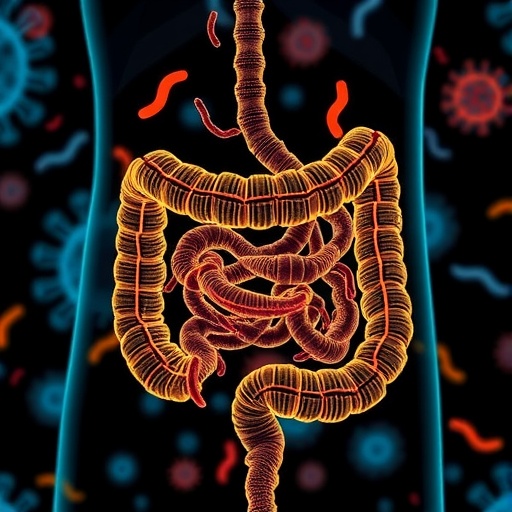
More than six years after SARS-CoV-2 swept across the globe, millions of people remain caught in the disease’s longest shadow — a syndrome of crushing fatigue, brain fog and digestive distress that refuses to resolve. Now a comprehensive new analysis suggests that part of the answer may have been sitting in our guts all along. In a sweeping scoping review published in the journal Gut Pathogens, researchers at the Universidad de Las Americas in Quito, Ecuador, combed through decades of scientific literature and found a recurring pattern: people with long COVID, formally known as post-acute sequelae of SARS-CoV-2 infection, frequently carry a disturbed gut microbiome — a state scientists call dysbiosis. The imbalance, the authors report, is marked by the loss of microbes that keep inflammation in check and the overgrowth of organisms that stir it up. While the evidence stops short of proving cause and effect, the review assembles one of the most detailed maps to date of how the body’s largest microbial ecosystem might be entangled with modern medicine’s most stubborn post-viral illness.
The review, led by Leonardo Cano-Cevallos with Juan S. Izquierdo-Condoy serving as corresponding author, followed the methodological guidance of the Joanna Briggs Institute and was reported according to PRISMA-ScR, the international checklist for scoping reviews. The team searched four major databases — PubMed, Scopus, Web of Science and the Cochrane Library — for studies published between January 2000 and May 2025 that included human subjects with a clinical diagnosis of long COVID and microbiome-related outcomes. After screening and charting data with a standardized form, 62 sources made the final cut. Tellingly, most were narrative, conceptual or descriptive in nature — a fact that speaks to the field’s youth as much as to its momentum. The findings were synthesized narratively and descriptively, mapping which microbes shift, which symptoms track with those shifts, and which therapies have been floated to restore balance. Accepted in June 2026 and published open access on 29 August 2026, the review arrives at a moment when long COVID clinics worldwide continue to treat symptoms without a unifying biological explanation.
To understand why the gut matters in a respiratory illness, it helps to appreciate what the microbiome actually does. The human gut harbors trillions of bacteria, viruses and fungi that function less like passengers and more like a metabolic organ. They ferment dietary fiber into short-chain fatty acids — molecules such as butyrate, propionate and acetate that nourish the cells lining the colon, reinforce the intestinal barrier and help calibrate immune responses. A large share of the body’s immune cells is thought to reside in gut-associated lymphoid tissue, making the intestine a major command center for immune regulation. Dysbiosis — a persistent shift in the composition and function of this ecosystem — can erode that control. When beneficial, fiber-fermenting species dwindle, butyrate production falls, the gut lining becomes more permeable, and microbial products can seep into the bloodstream, where they are suspected of fueling the low-grade, body-wide inflammation that many researchers believe underlies long COVID’s sprawling symptom list.
Across the studies included in the review, one microbial signature surfaced again and again. Beneficial taxa were consistently reported at reduced abundance in people with long COVID, most notably Faecalibacterium prausnitzii, one of the gut’s most abundant and medically important butyrate producers, and Bifidobacterium adolescentis, a carbohydrate-fermenting species associated with healthy immune signaling. In their place, opportunistic or pro-inflammatory organisms appeared to flourish. Ruminococcus gnavus, a mucus-foraging bacterium repeatedly linked to inflammatory conditions ranging from inflammatory bowel disease to rheumatoid arthritis, and Clostridium innocuum, an opportunistic pathogen associated with gut inflammation and difficult-to-treat infections, were reported at increased abundance. The pattern is biologically coherent: fewer anti-inflammatory, barrier-protecting microbes combined with more inflammation-promoting ones. Notably, evidence from the respiratory and oral microbiomes was far more limited, leaving the gut as the best-studied — though still incompletely understood — microbial theater of the disease. That asymmetry is itself informative, underscoring how much of the field’s attention has converged on the intestine even though SARS-CoV-2 entered human lives through the airway.
Those compositional shifts map onto concrete mechanistic pathways. Depleted butyrate producers are thought to weaken the colonic epithelium, allowing bacterial components such as lipopolysaccharide to cross into circulation and trigger innate immune responses, including the release of inflammatory signaling molecules like interleukin-6 and tumor necrosis factor-alpha — cytokines repeatedly implicated in long COVID. The review also highlights the microbiota–gut–brain axis, the bidirectional communication network linking gut microbes to the nervous system through immune signaling, the vagus nerve and microbial metabolites. Gut bacteria influence the availability of tryptophan, the raw material for serotonin, and can generate neuroactive compounds of their own; a dysbiotic shift may therefore help explain the neuropsychiatric manifestations — brain fog, anxiety, depression and sleep disturbance — that many long COVID patients report. The authors also point to broader immune dysregulation as the proposed connective thread between gut imbalance and systemic complaints such as post-exertional malaise, positioning the intestine as a plausible upstream driver of symptoms that manifest far beyond it.
When the researchers charted symptom associations, four clusters dominated the literature: fatigue, gastrointestinal complaints such as bloating, diarrhea and abdominal pain, neuropsychiatric manifestations, and immune dysregulation. The gastrointestinal link is the most intuitive, since the gut is where the dysbiosis resides, and patients with digestive long COVID symptoms often show the most pronounced microbial disturbances. Fatigue has been tied, in proposed models, to disrupted energy metabolism and systemic inflammation, while the neuropsychiatric associations run through the gut–brain axis. The review is careful to stress that these associations are reported or proposed rather than definitively established; many studies measured microbes and symptoms in the same patients without demonstrating that one drives the other. Still, the recurrence of the same patterns across dozens of independent investigations gives the hypothesis unusual weight for a field that barely existed before 2020. It is precisely this kind of convergent, if circumstantial, evidence that often precedes a decisive shift in how a disease is understood.
If the microbiome is implicated, the obvious next question is whether repairing it can repair the patient. The review examines the full menu of microbiome-targeted interventions proposed or discussed in the literature. Probiotics deliver live beneficial bacteria; prebiotics supply the dietary fibers that feed desirable species; synbiotics combine the two; broader dietary strategies aim to reshape the gut ecosystem from the dinner table; and fecal microbiota transplantation, or FMT, transfers processed stool from a healthy donor to rebuild a recipient’s microbial community from the ground up. The mechanistic logic is appealing — restore butyrate producers, re-tighten the gut barrier, damp inflammation. But the authors found that direct interventional evidence remains scarce: most of the 62 sources proposed or discussed these therapies rather than tested them, leaving clinicians without the randomized trial data needed to recommend any of them as standard care for long COVID. For now, the therapeutic promise of the microbiome remains exactly that — a promise awaiting trials, however tantalizing the underlying biology may be.
The review’s authors are frank about the limits of the evidence base they mapped. The literature is, in their words, largely descriptive, observational and hypothesis-generating — scientific shorthand for interesting but not yet conclusive. Long COVID itself is defined inconsistently across studies, microbiome measurement techniques vary widely, and most investigations captured a single snapshot in time rather than following patients as their illness evolved. There is also a stubborn chicken-and-egg problem: acute COVID-19 itself, along with antibiotics, hospitalizations, dietary changes and other medications, can all reshape the gut ecosystem, making it difficult to determine whether dysbiosis drives long COVID’s symptoms or is simply a scar left by the acute infection and its treatment. Without longitudinal designs that track patients from infection through recovery — or the lack of it — causality remains open, and the authors are explicit that further longitudinal and interventional studies are needed to clarify it and to determine whether microbiome-targeted strategies carry genuine therapeutic value.
Those next steps are now sketched in detail. The review effectively calls for longitudinal cohort studies that sample the microbiome repeatedly over months, ideally beginning at the time of acute infection, to test whether early microbial signatures can predict who develops long COVID. It equally points toward rigorously controlled interventional trials to determine whether probiotics, prebiotics, synbiotics, diet or FMT can meaningfully alter symptom trajectories — and, crucially, whether any clinical improvement coincides with restored microbial balance, which would strengthen the causal case. Standardization will be essential: consistent case definitions, uniform sampling and sequencing protocols, and careful attention to confounders such as antibiotic exposure. The authors frame the current state of knowledge as a foundation rather than a finish line — a hypothesis-generating map that can now guide the experiments the field has been missing. The stakes extend beyond COVID-19, since lessons learned here could illuminate other post-infectious illnesses long blamed on nothing in particular.
For now, the practical message for patients is one of tempered expectations: no microbiome test can diagnose long COVID, and no probiotic prescription can yet be justified by the evidence. But the big picture is undeniably compelling. A condition once dismissed as mysterious and diffuse is slowly acquiring a biological architecture, and the gut — with its intimate ties to immunity, metabolism and the brain — sits near the center of the emerging picture. The full review is published open access in Gut Pathogens, inviting clinicians, researchers and patients alike to examine the evidence for themselves. Whether the microbial imbalance turns out to be a cause of long COVID, a consequence of it, or a bit of both, untangling that relationship may prove one of the most consequential threads in post-pandemic medicine — and, if the coming wave of intervention trials succeeds, one of its most treatable.
Cite Scienmag News
Morgan Morrow. (August 30, 2026). Gut microbiome imbalances linked to long COVID symptoms, review finds. Scienmag. https://scienmag.com/gut-microbiome-imbalances-linked-to-long-covid-symptoms-review-finds/
Morgan Morrow. "Gut microbiome imbalances linked to long COVID symptoms, review finds." Scienmag, 30 August 2026, https://scienmag.com/gut-microbiome-imbalances-linked-to-long-covid-symptoms-review-finds/. Accessed 3 September 2026.
Morgan Morrow. "Gut microbiome imbalances linked to long COVID symptoms, review finds." Scienmag. August 30, 2026. https://scienmag.com/gut-microbiome-imbalances-linked-to-long-covid-symptoms-review-finds/


