


The logic underlying Mendelian randomization deserves a closer look, because it explains why the new findings carry more weight than the many observational studies that have linked gut bacteria to neurodevelopmental conditions. In conventional cohort or case-control research, people who develop a disorder often differ from those who do not in dozens of ways—diet, medication use, family income, birth complications, and countless other factors—that can distort the apparent relationship between microbes and disease. Mendelian randomization sidesteps this problem by exploiting the fact that genetic variants are allocated randomly at conception, like a natural randomized trial. Because alleles are fixed at fertilization, they cannot be altered by later illness, behavior, or environment, which means reverse causation—where a disease state changes the microbiome rather than the other way around—is largely ruled out. This is a critical advantage in microbiome research, since conditions such as autism spectrum disorder and attention-deficit/hyperactivity disorder are well known to influence eating habits, food selectivity, and gastrointestinal function, all of which can reshape the gut bacterial community and create misleading associations in ordinary observational data.
The choice of instrumental variables in the study reflects standard practice in the field. The researchers selected single-nucleotide polymorphisms associated with the relative abundance of specific bacterial taxa, applying two significance thresholds—a stricter conventional genome-wide cutoff and a more permissive threshold that acknowledges the modest heritability of microbiome traits. After pruning variants that are inherited together due to linkage disequilibrium, the remaining instruments were checked for strength using the F-statistic, with all retained variants exceeding the conventional threshold of 10 that guards against weak instrument bias. Weak instruments are a serious concern in this type of analysis because they can amplify bias from horizontal pleiotropy, the phenomenon in which a genetic variant influences the outcome through pathways other than the exposure of interest. The harmonization of effect alleles across exposure and outcome datasets further ensures that the direction of each genetic effect is consistent before the causal estimates are computed.
The three statistical models used—inverse-variance-weighted regression, weighted median estimation, and MR-Egger regression—each rest on different assumptions, and agreement among them strengthens confidence in a causal signal. The inverse-variance-weighted approach, the primary method, pools the ratio estimates from individual variants and assumes that pleiotropic effects average out to zero. The weighted median method is robust to situations where up to half of the instrumental variants are invalid. MR-Egger, meanwhile, allows for directional pleiotropy by fitting a regression whose intercept reveals whether such pleiotropy is present on average. By requiring consistency across these methods, and by testing heterogeneity among variant-specific estimates, the analysis guards against conclusions driven by a handful of outlier variants rather than a genuine biological effect.
The pattern of effect sizes reported is itself informative. The odds ratios for individual taxa ranged from roughly 0.89 to 1.10, meaning that each genetically influenced unit increase in a given taxon’s abundance shifts disorder risk by only a few percent in either direction. Such modest per-taxon effects are exactly what one would expect for a complex trait in which the microbiome is one contributor among many, and they contrast with the large effect sizes sometimes implied by small interventional studies. The larger number of taxa linked to ADHD—28 compared with 16 for ASD—may partly reflect the far greater statistical power of the ADHD genome-wide association study, which drew on nearly 293,000 participants compared with roughly 46,000 for ASD. Larger outcome samples yield more precise estimates and make it easier to detect true associations, so the asymmetry in findings should be interpreted with that power differential in mind rather than as evidence that the microbiome is inherently more relevant to one condition than the other.
The finding that the bacterial family Clostridiales noname shows opposite effects on the two disorders is among the most intriguing results. Clostridiales is a large and diverse order of gut anaerobes that includes many short-chain fatty acid producers, and taxa within this order have repeatedly surfaced in microbiome studies of neurological and psychiatric conditions. Short-chain fatty acids such as butyrate, propionate, and acetate can cross the blood-brain barrier or act on the vagus nerve, influence microglial maturation, modulate neurotransmitter synthesis, and regulate immune signaling. If a single taxon genuinely raises risk for one condition while lowering it for another, that would suggest divergent downstream pathways—perhaps different metabolic products or interactions with distinct host genetic backgrounds—and could eventually offer a biological marker to help distinguish overlapping presentations of ASD and ADHD, which are comorbid in a substantial fraction of children.
Several caveats temper the interpretation of these results. First, the microbiome datasets analyzed included only individuals of European ancestry, and the outcome GWAS were likewise dominated by European-descent cohorts, so the findings may not generalize to other populations whose microbiome composition and genetic architecture differ. Second, the microbiome GWAS measured relative abundance rather than absolute bacterial load, and taxonomic classifications at higher levels such as family or order can lump together bacteria with very different functional properties, making it difficult to pinpoint the responsible species or mechanism. Third, while Mendelian randomization protects against reverse causation and confounding, it remains vulnerable to pleiotropy if some of the instrument variants affect the brain directly rather than through the microbiome. The sensitivity analyses mitigate but cannot eliminate this concern. Fourth, the effect estimates describe lifelong genetically influenced differences in microbial abundance, which may not correspond to the effects of short-term probiotic or dietary interventions aimed at changing the microbiome in adulthood or childhood.
These limitations notwithstanding, the study adds to a growing body of work suggesting that the gut-brain axis is not merely a correlate of neurodevelopmental conditions but may participate in their origins. Prior evidence includes germ-free mouse experiments showing that microbiota transfer alters social behavior, human studies documenting altered microbial profiles in affected children, and reports that dietary interventions and fecal microbiota transplantation can improve symptoms in some patients. The genetic instrument approach complements these lines of evidence by providing directionality that observational work cannot. If the causal estimates hold up in independent cohorts and at finer taxonomic resolution, they would justify interventional trials targeting specific taxa, and they could motivate the search for microbial metabolites as biomarkers for early identification or for monitoring treatment response in ASD and ADHD.
Subject of Research: Causal associations between gut microbiota and autism spectrum disorder and attention-deficit/hyperactivity disorder: a two-sample mendelian randomization study
Article Title: Causal associations between gut microbiota and autism spectrum disorder and attention-deficit/hyperactivity disorder: a two-sample mendelian randomization study
Article References: Shi, S., Baranova, A., Cao, H., & Zhang, F. (2026). Causal associations between gut microbiota and autism spectrum disorder and attention-deficit/hyperactivity disorder: a two-sample mendelian randomization study. Frontiers in Genetics, 17, Article 1972696. https://doi.org/10.3389/fgene.2026.1972696
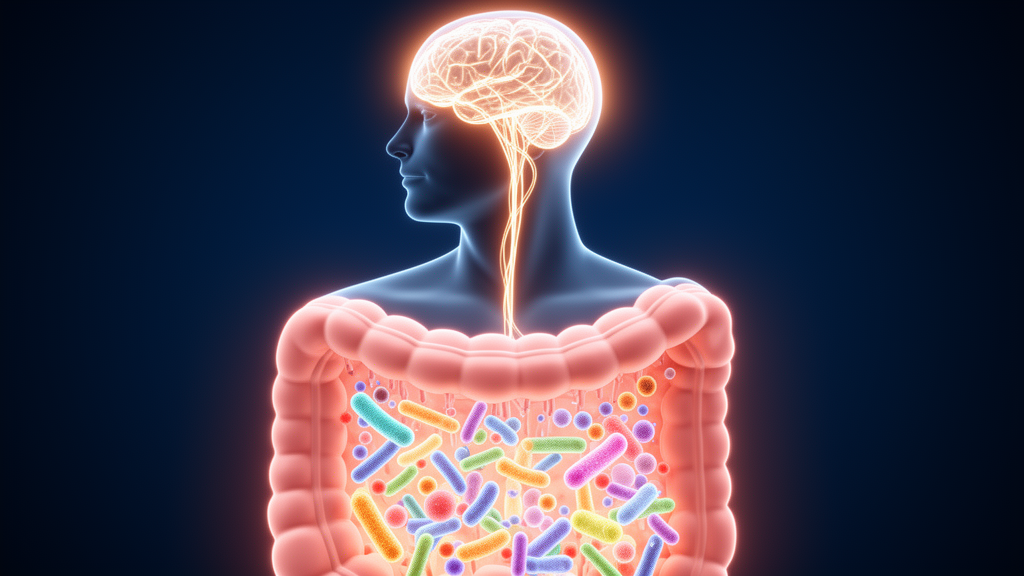
Image Credits: AI Generated
DOI: 10.3389/fgene.2026.1972696
Keywords: gut microbiota, autism, ADHD, Mendelian randomization, brain-gut axis, GWAS, short-chain fatty acids, propionate, Lachnospiraceae, dopamine, psychiatry, genetics
Cite Scienmag News
Juliet Wilcox. (October 17, 2026). Gut Microbes Linked to Autism and ADHD in Large Genetic Analysis. Scienmag. https://scienmag.com/gut-microbes-linked-to-autism-and-adhd-in-large-genetic-analysis/
Juliet Wilcox. "Gut Microbes Linked to Autism and ADHD in Large Genetic Analysis." Scienmag, 17 October 2026, https://scienmag.com/gut-microbes-linked-to-autism-and-adhd-in-large-genetic-analysis/. Accessed 17 October 2026.
Juliet Wilcox. "Gut Microbes Linked to Autism and ADHD in Large Genetic Analysis." Scienmag. October 17, 2026. https://scienmag.com/gut-microbes-linked-to-autism-and-adhd-in-large-genetic-analysis/


