


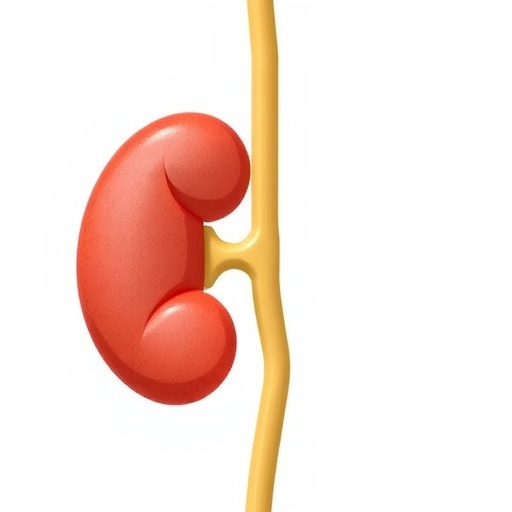
Emerging research casting a critical eye on the widespread use of glyphosate has unveiled concerning links between exposure to this common herbicide and adverse effects on kidney function among agricultural workers in Central America. A groundbreaking cohort study conducted by a team of international scientists has meticulously measured glyphosate levels in urine samples from workers in El Salvador and Nicaragua, revealing a troubling pattern that connects chemical exposure to diminished renal health. The implications of this research extend far beyond the fields where glyphosate is applied, raising urgent questions about occupational safety, environmental health, and public policy surrounding herbicide regulation.
Glyphosate, a widely used organophosphorus herbicide found in countless agricultural products globally, has long been a subject of debate in both scientific and regulatory circles. Used extensively due to its effectiveness in controlling broadleaf weeds and grasses, glyphosate’s pervasive presence in the environment has elicited scrutiny concerning its potential toxicological effects on humans and ecosystems. The latest study approaches this discourse from a rigorous, epidemiological perspective, focusing on populations with the highest likelihood of exposure—the workers involved directly in herbicide application.
The research team undertook a robust cohort analysis, systematically collecting and analyzing urinary glyphosate concentrations from hundreds of agricultural laborers in the two Central American countries. They combined these biomonitoring efforts with comprehensive kidney function assessments, including measurement of biomarkers such as serum creatinine and estimated glomerular filtration rate (eGFR), which serve as indicators of renal performance and health. Through this integrative approach, the investigators sought to elucidate whether the burden of glyphosate accumulates in exposed individuals and if such accumulation correlates with measurable declines in kidney function.
Importantly, the study cohort was composed of workers engaged in diverse agricultural tasks, ranging from field spraying to crop maintenance, thereby encompassing a realistic spectrum of exposure gradients. The investigators incorporated detailed questionnaires addressing work practices, use of protective equipment, duration, and intensity of exposure, which allowed for nuanced statistical modeling of glyphosate’s effect on renal outcomes. This multifaceted methodology ensured that observed associations could be robustly attributed to glyphosate exposure rather than confounded by extraneous variables.
Results demonstrated a clear dose-response relationship whereby higher urinary glyphosate concentrations corresponded to diminished eGFR values, indicating early-stage kidney dysfunction. The findings are particularly alarming given that these renal impairments were detected even in the absence of overt clinical symptoms, suggesting that chronic low-level exposure may silently compromise kidney health over time. The study thus underscores the insidious nature of glyphosate toxicity which may evade detection through standard medical assessments until substantial damage has occurred.
The researchers also highlighted that many affected workers had limited access to proper protective gear or training on safe herbicide use, factors that likely exacerbated their vulnerability. The absence of rigorous occupational safeguards in many agricultural settings in developing nations amplifies the public health risk, potentially creating epidemic-like conditions of chronic kidney disease among farming communities reliant on manual labor. This evidence calls for urgent review and enhancement of worker safety protocols as a preventive measure.
Mechanistically, the study postulates that glyphosate may induce nephrotoxicity through oxidative stress pathways and disruption of renal tubular cells, as suggested by recent toxicological experiments. The herbicide’s interference with mitochondrial function in kidney cells could precipitate cellular injury, inflammation, and fibrosis, ultimately impairing the organ’s filtration capacity. Additional research is warranted to dissect these molecular pathways further, but the current epidemiological data strongly point to glyphosate as a contributing nephrotoxin.
The implications of these findings reverberate globally, considering glyphosate’s ubiquity in modern agriculture and its residues detected in various environmental compartments including water sources and food products. Populations residing near agricultural zones may be subjected to inadvertent exposure, augmenting the need for environmental monitoring and biomonitoring programs. Moreover, regulatory agencies must weigh such emerging evidence in reevaluating permissible exposure limits and enforcing stricter guidelines to protect vulnerable groups.
Public health advocates emphasize that glyphosate-related kidney dysfunction could represent a larger, underrecognized component of the global chronic kidney disease burden, particularly in tropical and subtropical regions where agricultural employment predominates. Interdisciplinary cooperation among nephrologists, toxicologists, epidemiologists, and policymakers is essential to develop targeted interventions, diagnostic strategies, and surveillance frameworks that address this growing epidemic.
Policy responses could include mandatory training for pesticide applicators, distribution of effective personal protective equipment, and the promotion of alternative weed management techniques that reduce reliance on chemical herbicides. These measures would help mitigate exposure risks while balancing agricultural productivity needs. Additionally, expanding healthcare access to early detection and management services for affected populations remains critical.
In summary, the comprehensive cohort study conducted in El Salvador and Nicaragua sheds light on the hidden health toll exacted by glyphosate exposure on kidney function among agricultural workers. The clear correlation between urinary glyphosate levels and subclinical kidney impairment not only advances scientific understanding but also challenges existing paradigms of pesticide safety. This landmark research serves as a clarion call to safeguard the wellbeing of those who labor in the fields and, by extension, the broader communities linked to agricultural production systems worldwide.
Future research trajectories should incorporate longitudinal follow-ups to track renal function trajectories over time, explore gene-environment interactions that influence susceptibility, and evaluate the efficacy of intervention strategies. Only through such concerted efforts can the full scope of glyphosate’s health impacts be comprehended and mitigated, ensuring that food production does not come at the cost of human health.
This study significantly enriches the evidence base informing ongoing debates about glyphosate regulation and underscores the urgent need for integrated policies that harmonize agricultural practices with occupational health imperatives. As glyphosate continues to be a cornerstone of weed management, embedding scientific insights into policymaking constitutes a vital step toward sustainable and just farming systems.
By addressing the silent but serious repercussions of glyphosate exposure on renal health, this research invigorates a critical discourse essential for protecting vulnerable worker populations and maintaining the integrity of public health amid evolving environmental challenges.
Cite Scienmag News
Jerry Hayes. (June 2, 2026). Glyphosate Exposure Linked to Kidney Health in Workers. Scienmag. https://scienmag.com/glyphosate-exposure-linked-to-kidney-health-in-workers/
Jerry Hayes. "Glyphosate Exposure Linked to Kidney Health in Workers." Scienmag, 2 June 2026, https://scienmag.com/glyphosate-exposure-linked-to-kidney-health-in-workers/. Accessed 4 September 2026.
Jerry Hayes. "Glyphosate Exposure Linked to Kidney Health in Workers." Scienmag. June 2, 2026. https://scienmag.com/glyphosate-exposure-linked-to-kidney-health-in-workers/


