


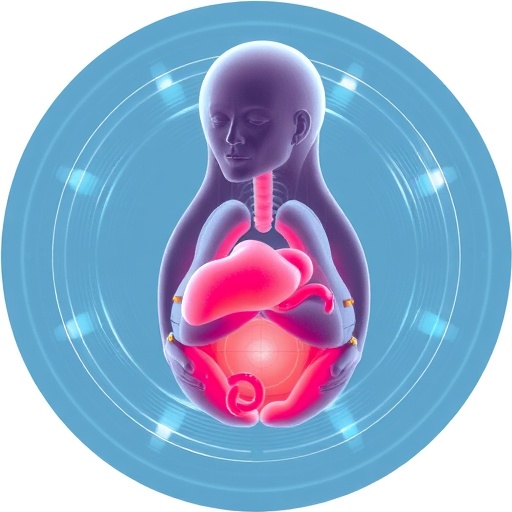
In a groundbreaking development poised to revolutionize neonatal care and reproductive technologies, the emerging field of artificial womb (AW) technology has sparked intense debate among scientists, ethicists, and policymakers. As researchers publish comprehensive scoping reviews that delve into the layered ethical considerations surrounding this cutting-edge technology, it becomes evident that the future of human gestation may soon transcend traditional biological boundaries, raising profound questions about the nature of life, parenthood, and medical intervention.
Artificial wombs, also known as ectogenesis devices, are engineered life-support systems designed to mimic the biological functions of the uterus, allowing premature or otherwise vulnerable fetuses to develop in an artificial environment. Unlike conventional neonatal incubators, artificial wombs aim to recreate the complex physiological conditions that a natural womb provides, including the delivery of oxygen, nutrients, and hormonal signals essential for normal development. This technological innovation holds the potential to dramatically improve survival rates for extremely premature infants, who currently face high risks of mortality and lifelong disability.
Technical strides in AW technology have been propelled by advances in biomaterials, microfluidics, and fetal physiology. Researchers have developed sophisticated bioreactors equipped with synthetic amniotic fluid and artificial placenta interfaces capable of facilitating gas exchange and nutrient delivery while eliminating waste products. These systems simulate the mechanical and chemical environment of the womb, providing a supportive milieu that supports continuous growth and organ maturation. Animal trials have demonstrated promising results, whereby fetal lambs have been maintained inside artificial wombs for several weeks, showing notable development comparable to in utero progression.
Despite these promising advancements, the path to clinical application in humans remains fraught with technical, ethical, and regulatory challenges. One of the critical technical barriers is ensuring the precise control and replication of the uterine environment’s dynamic nature. The uterus is not a static chamber; it orchestrates complex biochemical signaling that influences the fetus’s epigenetic programming, immune system development, and neurocognitive growth. Achieving such a level of biomimicry requires integrating real-time monitoring technologies with adaptive feedback mechanisms, demanding unprecedented interdisciplinary collaboration.
The ethical dimensions introduced by artificial womb technology extend far beyond the scope of conventional neonatal care protocols. Principally, AW technology disrupts conventional understandings of gestation’s biological and social parameters. By decoupling gestation from the maternal body, it challenges the traditional gestational kinship and raises questions about the legal and moral status of the fetus under artificial care. This separation provokes debates over parental rights, responsibilities, and the potential redefinition of motherhood. Furthermore, the prospect of ectogenesis stirs societal concerns regarding reproductive autonomy, inequality, and the commodification of fetal development.
A particularly contentious aspect of artificial womb deployment pertains to the concept of viability—the gestational age at which a fetus can survive ex utero, a legal and medical benchmark for debates on abortion rights and neonatal care decisions. With AW technology potentially lowering the threshold of viability to much earlier gestational stages, this criterion could face unprecedented challenges. Ethical frameworks would need to adapt to the expanded range of survivable gestational ages, potentially reshaping public health policies and reproductive laws worldwide.
Moreover, the ramifications for fetuses with congenital abnormalities or those requiring intensive medical interventions raise critical ethical considerations. Artificial wombs could theoretically preserve and nurture fetuses previously deemed nonviable, complicating decisions about the extent of medical care and quality of life assessments. This possibility calls for robust ethical guidelines balancing the benefits of survival with respect for individual dignity and long-term outcomes.
Privacy and consent issues also loom large in this emerging field. The intimate nature of gestation, traditionally confined within the maternal body, would be externalized and subject to clinical control and technological mediation. This transition demands rigorous protocols to ensure informed consent, data privacy, and the protection of vulnerable subjects in artificial gestation settings. The question arises whether future parents or guardians can fully comprehend the implications of entrusting fetal development to machines, necessitating enhanced counseling and oversight frameworks.
Furthermore, artificial womb technology raises significant social justice concerns. Access to such advanced reproductive technologies may be limited by socioeconomic status, healthcare infrastructure, and geographic location, potentially exacerbating existing disparities in neonatal outcomes. Policymakers must therefore anticipate and address inequities in availability to prevent the widening of healthcare gaps, ensuring that AW benefits are equitably distributed.
From a psychological perspective, the impact on parent-child bonding when gestation occurs outside the maternal womb remains largely unexplored. The intimate physical and hormonal interactions during pregnancy play a pivotal role in maternal-fetal attachment and subsequent family dynamics. The absence of direct gestational involvement may influence parental bonding, emotional well-being, and child development, indicating the need for comprehensive psychological support and long-term studies.
On the regulatory front, global frameworks governing artificial womb technology are nascent and heterogeneous. Establishing consistent guidelines to oversee research, clinical trials, and eventual clinical use will require international cooperation among scientific bodies, bioethicists, and governmental agencies. Regulatory oversight must balance the encouragement of innovation with safeguarding against premature or unethical applications.
Importantly, public perception and societal acceptance will significantly influence the trajectory of artificial womb technology. Public engagement initiatives, transparency in research practices, and inclusive dialogues are essential to fostering trust and understanding. Addressing fears of “unnatural” reproduction and debunking misconceptions will be critical to integrating AW technology into mainstream medical practice sensitively.
As AW research progresses toward clinical reality, multidisciplinary collaboration will be imperative. Biomedical engineers, neonatologists, ethicists, sociologists, and lawmakers must converge to navigate the complex scientific and moral landscape. The responsible development of artificial womb technology entails anticipatory governance that proactively identifies and mitigates risks while amplifying potential benefits.
In conclusion, artificial womb technology represents a paradigm shift with monumental implications for medicine, ethics, and society. While offering hope to improve neonatal survival and reimagine reproductive possibilities, it simultaneously demands careful scrutiny of the profound ethical questions it raises. The journey from experimental prototypes to clinical tools will require deliberate, informed deliberation, ensuring that this revolutionary technology serves humanity’s best interests without compromising foundational values.
As ongoing research continues to unravel the intricacies of artificial gestation, the global community stands at a crossroads. The choices made today will sculpt the future of human reproduction and neonatal care, exemplifying the delicate interplay between scientific innovation and ethical responsibility. The promise of artificial wombs invites us to reconsider not only how life begins but also the societal frameworks that sustain it in an ever-evolving biomedical era.
Cite Scienmag News
Harold Sullivan. (June 2, 2026). Artificial Wombs: Exploring Ethical Frontiers. Scienmag. https://scienmag.com/artificial-wombs-exploring-ethical-frontiers/
Harold Sullivan. "Artificial Wombs: Exploring Ethical Frontiers." Scienmag, 2 June 2026, https://scienmag.com/artificial-wombs-exploring-ethical-frontiers/. Accessed 3 September 2026.
Harold Sullivan. "Artificial Wombs: Exploring Ethical Frontiers." Scienmag. June 2, 2026. https://scienmag.com/artificial-wombs-exploring-ethical-frontiers/


