


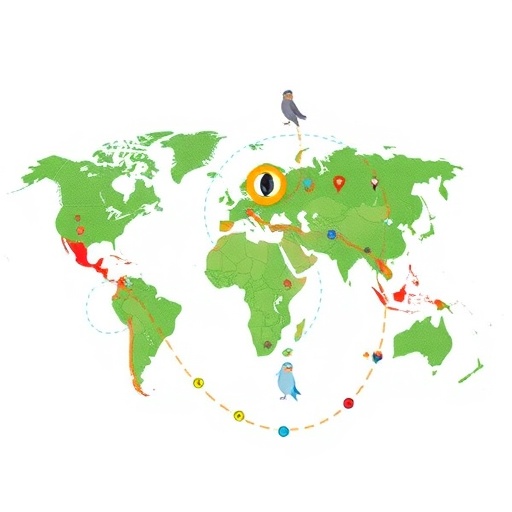
In a groundbreaking study published in Discover Sustainability, researchers R. Sharma and G. Dhruv have undertaken a comprehensive cross-sectoral analysis of biodiversity disclosures among the world’s top revenue-generating companies. This investigation delves deep into the extent and quality of corporate transparency related to biodiversity impacts, drawing attention to critical environmental challenges faced by diverse industries worldwide. The findings not only highlight the current state of corporate responsibility towards biodiversity but also suggest pathways for improvement that could help businesses align their operations with sustainable practices in the face of a biodiversity crisis.
Biodiversity, the variety of life on Earth, plays an essential role in maintaining ecosystem functions, which are vital for human survival. However, the rapid decline of various species and ecosystems due to industrial activities raises an urgent need for corporate accountability. In the context of increasing scrutiny from stakeholders—including investors, environmental groups, and the public—companies are being called out for their roles in biodiversity loss. This research serves as a critical examination of how leading firms across different sectors are responding to these challenges through their biodiversity disclosures.
Through rigorous data collection and analysis, Sharma and Dhruv evaluated biodiversity-related disclosures from over 500 top global corporations, spanning sectors including agriculture, manufacturing, technology, and finance. The research employed an innovative framework to assess the quality of these disclosures, focusing on several key indicators such as clarity, completeness, and relevance. By establishing a set of criteria for evaluating corporate communications about biodiversity, the authors offer a roadmap for the assessment of environmental commitments and actions.
A notable finding of this study is the disparity between sectors when it comes to biodiversity transparency. While some industries, such as energy and agriculture, exhibited relatively robust reporting practices, others lagged behind significantly. This inconsistency raises questions about the motivations driving corporate disclosures, particularly in sectors where environmental impacts are most pronounced. The study underscores the need for sector-specific guidelines that could foster more comprehensive and meaningful biodiversity reporting.
Moreover, the research identifies common shortcomings in existing disclosures, such as a lack of standardized metrics or benchmarks. The absence of a cohesive framework for biodiversity reporting hampers stakeholders’ ability to compare and assess companies’ performances effectively. As environmental issues become more pressing, the establishment of standardized benchmarks could encourage firms to adopt best practices and commit to greater transparency.
Sharma and Dhruv also delve into the role of regulatory frameworks and voluntary guidelines in shaping corporate biodiversity disclosures. They highlight that while regulatory pressure can prompt companies to disclose more information about their environmental impacts, voluntary initiatives often provide the flexibility needed for businesses to innovate and lead in sustainability practices. The study suggests a balanced approach, where regulations set minimum standards while allowing room for companies to exceed them through voluntary commitments.
Another pivotal aspect of the research is the analysis of stakeholder engagement and its influence on corporate biodiversity disclosures. Effective communication with stakeholders, including local communities and advocacy groups, enhances transparency and accountability. The authors argue that companies that actively seek input from these stakeholders are more likely to produce impactful biodiversity reports that reflect genuine concern for ecological wellbeing.
In considering the implications of the findings, Sharma and Dhruv call for an urgent paradigm shift towards integrating biodiversity conservation into the core business strategies of companies. They advocate for a business model that reflects environmental stewardship, suggesting that firms should adopt a long-term perspective that recognizes their dependencies on healthy ecosystems. By doing so, companies can create value not only for shareholders but also for society as a whole.
The relevance of this study is underscored by the increasing recognition of biodiversity as a crucial element of sustainable development. The insights provided by Sharma and Dhruv contribute to a growing body of literature advocating for responsible corporate behavior in the face of biodiversity loss. The findings may serve as a compelling argument for policymakers to create incentives for businesses to prioritize biodiversity in their operational frameworks.
Importantly, the research also emphasizes the need for education and awareness among corporate leaders regarding biodiversity issues. Understanding the direct implications of biodiversity loss on business continuity and profitability can drive companies to take proactive measures. The authors suggest that greater focus should be placed on educating corporate boards and executives about the interconnections between biodiversity and their respective industries.
As the world faces escalating environmental challenges, the role of corporations in biodiversity conservation will be pivotal. Sharma and Dhruv’s study offers a timely reminder of the responsibilities that come with corporate power and the potential for systemic change when companies commit to sustainability. By fostering transparency, accountability, and genuine engagement with stakeholders, businesses can not only mitigate their adverse impacts on biodiversity but also contribute to a more resilient and sustainable future.
The study concludes with a call to action for both corporates and regulators to collaborate in developing meaningful metrics and frameworks for biodiversity reporting. This collaborative approach can help align corporate goals with broader environmental objectives, driving the collective effort needed to halt and reverse biodiversity loss. As the momentum towards sustainability continues to build, the findings of this cross-sectoral analysis will serve as a valuable resource for companies seeking to enhance their environmental stewardship and contribute positively to global biodiversity targets.
Sharma, R., Dhruv, G. Cross-sectoral analysis of corporate biodiversity disclosures among top revenue global companies.
Discov Sustain 6, 1256 (2025). https://doi.org/10.1007/s43621-025-02125-5
Cite Scienmag News
Margaret Porter. (November 17, 2025). Global Companies’ Biodiversity Disclosures: A Comparative Analysis. Scienmag. https://scienmag.com/global-companies-biodiversity-disclosures-a-comparative-analysis/
Margaret Porter. "Global Companies’ Biodiversity Disclosures: A Comparative Analysis." Scienmag, 17 November 2025, https://scienmag.com/global-companies-biodiversity-disclosures-a-comparative-analysis/. Accessed 4 September 2026.
Margaret Porter. "Global Companies’ Biodiversity Disclosures: A Comparative Analysis." Scienmag. November 17, 2025. https://scienmag.com/global-companies-biodiversity-disclosures-a-comparative-analysis/


