Thursday, October 29, 2026
Science
No Result
View All Result
  • Login
  • HOME
  • SCIENCE NEWS
  • CONTACT US
  • HOME
  • SCIENCE NEWS
  • CONTACT US
No Result
View All Result
Scienmag
No Result
View All Result
Home Science News

Glial cells over-prune synapses in Fragile X syndrome model mice

October 28, 2026
in Science News
Brooke Gardner
By Brooke Gardner Scienmag Editorial Profile - Transcriptomics
Reading Time: 2 mins read
0
Glial cells over-prune synapses in Fragile X syndrome model mice

Glial cells over-prune synapses in Fragile X syndrome model mice

65
SHARES
587
VIEWS
Share on FacebookShare on Twitter
ADVERTISEMENT

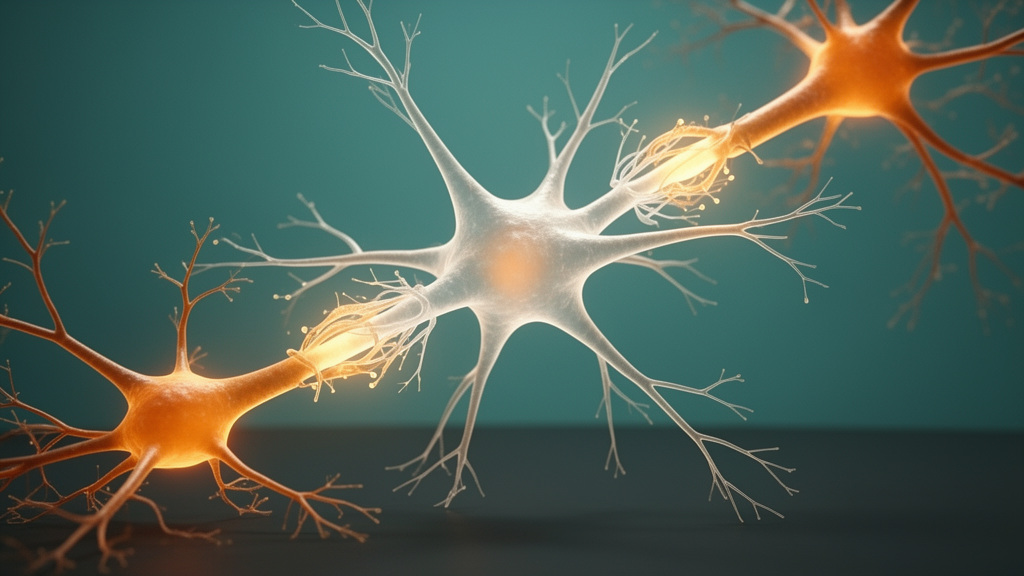
Fragile X syndrome, the most common inherited cause of intellectual disability and autism, arises from the loss of FMRP, an RNA-binding protein that regulates translation. A new study in Scientific Reports reports that in Fmr1 knockout mice, a model of the condition, synapses are smaller than normal and the eye-specific wiring of the retinogeniculate pathway segregates faster than usual, pointing to a disruption in the normal timing of synaptic refinement.

To find out which cell types drive this change, the researchers applied a multi-omic framework to the model mice at postnatal day 7, a critical window for synaptic remodeling in the retinogeniculate pathway, an established system for studying synaptic pruning. Single-cell transcriptomics revealed coordinated alterations in microglia, astrocytes, and neurons in genes linked to synaptic pruning. Computational modeling further showed enhanced astrocyte-to-microglia signaling, particularly through Ephrin A (EphA)- and semaphorin-mediated pathways.

Preliminary lipidomic profiling added a biochemical dimension: the team observed reductions in EphA-associated lipid species that are required for lipid raft stability and receptor localization. Consistent with the transcriptomic profile, a glial engulfment assay indicated that microglia and astroglia in the Fragile X model over-engulf synaptic material in the lateral geniculate nucleus.

Together, these findings identify impaired glial-driven synaptic refinement as an early feature of Fragile X syndrome pathogenesis in this mouse model, and highlight the genes involved in the process as candidate targets for future investigation. The authors note that FMRP is highly expressed in glial cells, yet its role in neural circuit development there had remained poorly defined, making these results a step toward clarifying that role.

Subject of Research: Glial-mediated synaptic pruning in a Fragile X syndrome mouse model

Article Title: Disrupted glial-mediated synaptic refinement in Fragile X syndrome

Article References: Starr, L., Lee, M., Vo, A., Weisenhaus, M., Cheadle, L., Yadav, A., Paryani, F., Shirasu-Hiza, M., Menon, V., & Mason, C. (2026). Disrupted glial-mediated synaptic refinement in Fragile X syndrome. Scientific Reports. https://doi.org/10.1038/s41598-026-75819-z

Image Credits: AI Generated

DOI: 10.1038/s41598-026-75819-z

Keywords: Fragile X syndrome, FMRP, synaptic pruning, microglia, astrocytes, retinogeniculate pathway, single-cell transcriptomics, lipidomics, Ephrin A signaling, Fmr1 knockout mice, neurodevelopment, Disrupted

Cite Scienmag News

Brooke Gardner. (October 28, 2026). Glial cells over-prune synapses in Fragile X syndrome model mice. Scienmag. https://scienmag.com/glial-cells-over-prune-synapses-in-fragile-x-syndrome-model-mice/

Brooke Gardner. "Glial cells over-prune synapses in Fragile X syndrome model mice." Scienmag, 28 October 2026, https://scienmag.com/glial-cells-over-prune-synapses-in-fragile-x-syndrome-model-mice/. Accessed 29 October 2026.

Brooke Gardner. "Glial cells over-prune synapses in Fragile X syndrome model mice." Scienmag. October 28, 2026. https://scienmag.com/glial-cells-over-prune-synapses-in-fragile-x-syndrome-model-mice/

Tags: astrocytesDisruptedEphrin A and semaphorin pathwaysEphrin A signalingFmr1 knockout miceFMRPFMRP protein lossFragile X syndromeglial cell over-pruningglial engulfment of synapseslipidomic profiling of synaptic membraneslipidomicsmicrogliamicroglia and astrocyte signalingneurodevelopmentneuroimmune interactions in autismretinogeniculate pathwayretinogeniculate pathway developmentsingle-cell transcriptomicssingle-cell transcriptomics in neurodevelopmentsynaptic pruningsynaptic pruning deficitssynaptic refinement disruption
Share26Tweet16
Previous Post

Temporal deep learning model predicts aging of power composite insulators

Next Post

Bukavu residents back waste automation but fear job losses, survey finds

Related Posts

Sprint Intervals Edge Out Steady Moderate Training in Meta-Analysis of 44 Trials
Medicine

Sprint Intervals Edge Out Steady Moderate Training in Meta-Analysis of 44 Trials

October 29, 2026
New Janus Monolayers Show Strongly Enhanced Second Harmonic Generation in Simulations
Chemistry

New Janus Monolayers Show Strongly Enhanced Second Harmonic Generation in Simulations

October 29, 2026
Carbon-Budgeted Federated Learning Adds Blockchain Auditing to Healthcare AI
Medicine

Carbon-Budgeted Federated Learning Adds Blockchain Auditing to Healthcare AI

October 29, 2026
Dog owners’ facial expressions shift with body shape, study finds
Biology

Dog owners’ facial expressions shift with body shape, study finds

October 29, 2026
Mapping What Teachers Need to Know About the Laws of Large Numbers
Science Education

Mapping What Teachers Need to Know About the Laws of Large Numbers

October 29, 2026
Delays Drive Chaos in a Model of Pine Wilt Disease Biological Control
Mathematics

Delays Drive Chaos in a Model of Pine Wilt Disease Biological Control

October 29, 2026
Next Post
Bukavu residents back waste automation but fear job losses, survey finds

Bukavu residents back waste automation but fear job losses, survey finds

  • Mothers who receive childcare support from maternal grandparents show more optimized

    Mothers who receive childcare support from maternal grandparents show more parental warmth, finds NTU Singapore study

    27656 shares
    Share 11059 Tweet 6912
  • University of Seville Breaks 120-Year-Old Mystery, Revises a Key Einstein Concept

    1061 shares
    Share 424 Tweet 265
  • Bee body mass, pathogens and local climate influence heat tolerance

    682 shares
    Share 273 Tweet 171
  • Researchers record first-ever images and data of a shark experiencing a boat strike

    546 shares
    Share 218 Tweet 137
  • Groundbreaking Clinical Trial Reveals Lubiprostone Enhances Kidney Function

    531 shares
    Share 212 Tweet 133
Science

Embark on a thrilling journey of discovery with Scienmag.com—your ultimate source for cutting-edge breakthroughs. Immerse yourself in a world where curiosity knows no limits and tomorrow’s possibilities become today’s reality!

RECENT NEWS

  • Sprint Intervals Edge Out Steady Moderate Training in Meta-Analysis of 44 Trials
  • New Janus Monolayers Show Strongly Enhanced Second Harmonic Generation in Simulations
  • Carbon-Budgeted Federated Learning Adds Blockchain Auditing to Healthcare AI
  • Dog owners’ facial expressions shift with body shape, study finds

Categories

  • Agriculture
  • Anthropology
  • Archaeology
  • Athmospheric
  • Biology
  • Biotechnology
  • Blog
  • Bussines
  • Cancer
  • Chemistry
  • Climate
  • Earth Science
  • Editorial Policy
  • Marine
  • Mathematics
  • Medicine
  • Pediatry
  • Policy
  • Psychology & Psychiatry
  • Science Education
  • Science News
  • Social Science
  • Space
  • Technology and Engineering

Subscribe to Blog via Email

Enter your email address to subscribe to this blog and receive notifications of new posts by email.

Join 5,151 other subscribers

© 2025 Scienmag - Science Magazine

Welcome Back!

Login to your account below

Forgotten Password?

Retrieve your password

Please enter your username or email address to reset your password.

Log In
No Result
View All Result
  • HOME
  • SCIENCE NEWS
  • CONTACT US

© 2025 Scienmag - Science Magazine

Discover more from Science

Subscribe now to keep reading and get access to the full archive.

Continue reading