


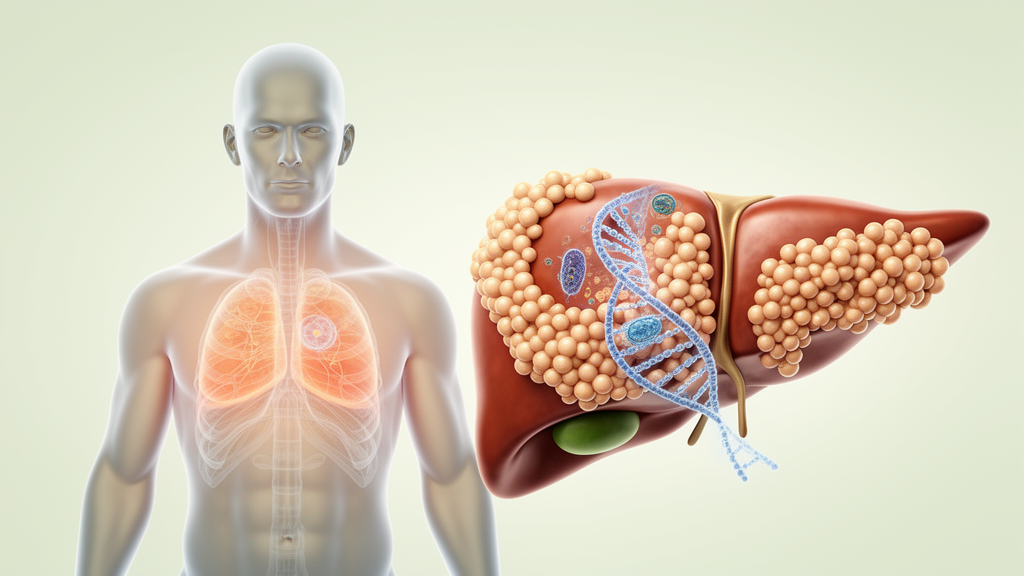
In an analysis of about 2,400 adults with biopsy-confirmed metabolic dysfunction-associated steatotic liver disease, or MASLD, approximately 25% of cirrhosis cases occurred before age 50. The researchers found that this early-onset group had a distinct risk profile involving inherited genetic susceptibility and metabolic conditions, particularly type 2 diabetes. The peer-reviewed study, published online September 16, 2026, in Clinical Gastroenterology and Hepatology , also found that nearly one-third of younger participants with cirrhosis had fibrosis-assessment scores below thresholds that would normally prompt further evaluation.
The results characterize associations within the study population; they do not establish that genetic susceptibility or diabetes caused an individual’s cirrhosis to develop earlier. Cirrhosis is an advanced stage of liver scarring, and MASLD is the condition commonly described as fatty liver disease. Although cirrhosis typically develops later in life, some people reach this stage much sooner, and the factors associated with early disease had been poorly characterized.
The UC San Diego School of Medicine study focused on adults who developed MASLD-related cirrhosis before their 50th birthday. Senior author Rohit Loomba said these younger adults appeared to have “a unique combination of genetic susceptibility and metabolic risk factors that accelerate progression to advanced liver disease.” That interpretation describes the pattern identified by the investigators rather than a proven mechanism or a result from an intervention designed to slow progression. The investigators used data from approximately 2,400 adults enrolled in the national NASH Clinical Research Network, all of whom had biopsy-confirmed MASLD.
They designated participants who developed cirrhosis before age 50 as having “early-onset MASLD cirrhosis” and identified risk factors associated with that group. The inclusion of participants with biopsy-confirmed disease provided a population in which MASLD status was established through tissue assessment. The research addressed two linked questions: which characteristics distinguished people who developed cirrhosis before 50, and whether commonly used fibrosis-assessment tools adequately recognized advanced disease in this younger group.
About one in four cirrhosis cases in the analyzed cohort fell within the early-onset category. Rather than attributing the pattern to age alone, the study found a combination of inherited and metabolic factors associated with earlier cirrhosis. The research release also refers to obesity and elevated genetic risk as potential markers of concern among younger adults.
These findings indicate that a person’s relatively young age can coexist with multiple indicators associated with advanced MASLD. They do not mean that every young adult with diabetes, obesity or inherited susceptibility will develop cirrhosis, and the reported relationships are not universal probabilities for all people with fatty liver disease. Risk information is clinically relevant because cirrhosis can remain silent until serious complications develop, as Loomba noted in the release.
Advanced liver scarring is also an important risk factor for hepatocellular carcinoma, the most common form of liver cancer. The study therefore focused on a younger group in whom advanced disease had already developed and on the factors that distinguished them from later-onset cases. The screening component of the study exposed a limitation in the tools commonly used to evaluate liver fibrosis.
Many of these tools incorporate age into their calculations, which can reduce their sensitivity for younger patients. A younger person may receive a score that falls below a conventional threshold for further evaluation even when cirrhosis is present. In the analysis, nearly one-third of participants with early-onset cirrhosis had scores that would not typically trigger additional assessment under standard thresholds.
First author Veeral Ajmera said current screening tools “miss almost a third of patients with early-onset MASLD cirrhosis.” This result concerns the scoring systems used in the study and the threshold-based decisions they might produce; it does not mean that every liver assessment program has the same performance. Ajmera said the findings may help identify patients at greatest risk who need a more accurate assessment of their liver disease. Instead, the authors described their work as a foundation for improving risk-prediction and screening strategies and for developing more personalized approaches to liver disease prevention and treatment.
The measured result is that conventional age-inclusive scores can classify a substantial minority of the younger early-onset group below the usual threshold for further evaluation. Earlier identification could matter for hepatocellular carcinoma surveillance because cirrhosis is an important risk factor for that cancer. Loomba said the results suggest that younger adults with type 2 diabetes, obesity or elevated genetic risk may benefit from more proactive liver assessment.
This is a potential implication of the findings, not a screening recommendation tested in the research. Similarly, recognizing cirrhosis earlier may create opportunities for appropriate surveillance and intervention before liver cancer develops, but the present study did not demonstrate that such an approach lowers liver-cancer incidence or mortality. It instead identified a high-risk profile and a weakness in existing thresholds that could inform subsequent work.
Several boundaries limit how the findings can be interpreted. The cohort consisted of adults with biopsy-confirmed MASLD enrolled in a national clinical research network, so the approximately 25% early-onset proportion describes the analyzed group and should not automatically be applied to every population of people with fatty liver disease. The study reported associations and a distinct risk pattern rather than causal effects.
It also focused on MASLD-related cirrhosis; the release does not establish that the same combination of genetic and metabolic factors explains early-onset cirrhosis from other causes, including alcohol-associated or viral liver disease. The work identifies potential markers for improved assessment, but whether they improve clinical decisions in broader populations requires further study. The authors view the results as a starting point for more personalized liver-disease assessment, particularly as obesity and type 2 diabetes continue to rise and researchers expect MASLD-related liver disease to become increasingly common.
UC San Diego Health said its multidisciplinary MASLD program includes hepatologists, endocrinologists, obesity-medicine specialists, dietitians and clinical trials evaluating emerging therapies for fatty liver disease and advanced fibrosis. At Moores Cancer Center, clinicians and researchers also focus on liver-cancer risk through earlier detection and appropriate hepatocellular carcinoma surveillance. The study’s central contribution is a clearer description of adults who developed MASLD cirrhosis before 50: they had a risk profile combining inherited susceptibility and metabolic disease, and nearly one-third had scores that would not routinely trigger further evaluation.
Subject of Research: Genetic and metabolic risk factors for MASLD-related cirrhosis before age 50
Article Title: Study finds why young adults may develop early fatty liver disease
Article References: Study finds why young adults may develop early fatty liver disease. Original publication (Bibliographic details unavailable.)
Image Credits: AI Generated
DOI: Not provided
Keywords: MASLD, early-onset cirrhosis, type 2 diabetes, genetic susceptibility, liver fibrosis, fibrosis screening, obesity, hepatocellular carcinoma, clinical risk assessment, finds, young, adults
Cite Scienmag News
Juliet Wilcox. (October 26, 2026). Genetic and metabolic risks linked to early cirrhosis in adults with MASLD. Scienmag. https://scienmag.com/genetic-and-metabolic-risks-linked-to-early-cirrhosis-in-adults-with-masld/
Juliet Wilcox. "Genetic and metabolic risks linked to early cirrhosis in adults with MASLD." Scienmag, 26 October 2026, https://scienmag.com/genetic-and-metabolic-risks-linked-to-early-cirrhosis-in-adults-with-masld/. Accessed 26 October 2026.
Juliet Wilcox. "Genetic and metabolic risks linked to early cirrhosis in adults with MASLD." Scienmag. October 26, 2026. https://scienmag.com/genetic-and-metabolic-risks-linked-to-early-cirrhosis-in-adults-with-masld/


