


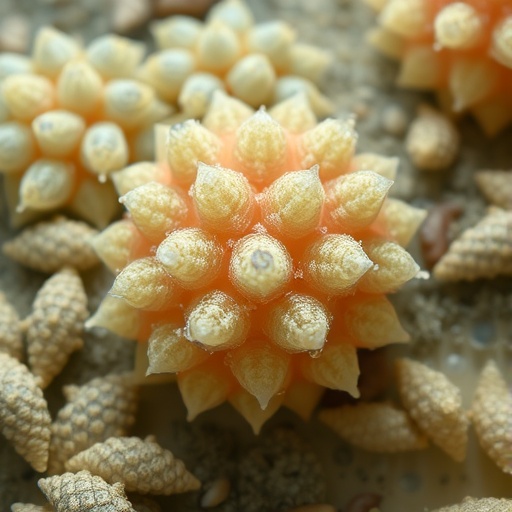
In a pioneering study conducted in Bahia, Brazil, researchers have revealed significant insights into the ecological dynamics of the Cachoeira River estuary. This unique research investigates the living and dead assemblages of benthic foraminifera—single-celled organisms that inhabit the ocean floor—providing vital proxies for understanding environmental conditions in mesotidal tropical estuaries. Notably, the Cacheoeira River estuary is characterized by a striking blend of freshwater and saltwater due to its proximity to the Atlantic Ocean.
The study’s authors, Laut, Camara, Pereira, and collaborators, employed a range of sampling and analytical techniques to extract data from the estuarine ecosystem. Their efforts aimed to characterize how both living and deceased foraminiferal species can serve as indicators of ecological health and environmental conditions. Such indicators are critical, especially in areas where human activities and climate change threaten to disturb delicate coastal systems.
Understanding the ecological role and response of benthic foraminifera to environmental changes allows researchers to elucidate past and present ecological phenomena. Through the examination of sediment cores and the assessment of live/dead ratios, the research team was able to paint a comprehensive picture of the biodiversity and community structure of foraminifera in the estuary. Particularly, they noted that shifts in foraminiferal assemblages could be reflective of broader environmental trends, such as salinity fluctuations, pollution, and habitat destruction.
Field sampling took place across various sites along the Cachoeira River, where scientists meticulously collected sediment samples. Each sample was categorized based on depth and location, enabling a thorough investigation of temporal changes in foraminiferal communities. In their analyses, the researchers identified the diversity of foraminiferal species present, observing how species composition varied with proximity to freshwater inflows compared to saline coastal zones.
The results of the study underscored the potential of foraminifera as bioindicators. Foraminifera are sensitive to changes in their environment, making them ideal candidates for monitoring ecological conditions in estuaries. The researchers found that certain species thrived in areas with lower pollution levels, while others appeared to tolerate less favorable conditions. This variation in assemblage composition highlights the importance of including benthic foraminiferal studies in routine environmental assessments.
Importantly, the researchers emphasized the implications of their findings for effective coastal management and conservation strategies. By utilizing foraminiferal data as a measure of environmental quality, local authorities and environmental agencies can develop targeted strategies to mitigate the impact of anthropogenic pressures, such as urbanization and agriculture, on vulnerable estuarine ecosystems.
Moreover, the research called attention to the pressing need for continued monitoring of estuarine environments as global climate patterns evolve. With rising sea levels and enhanced storm frequency predicted due to climate change, understanding how benthic foraminiferal communities respond to these shifts will be vital. What this research illustrates is a robust methodological framework which can be expanded to other mesotidal tropical estuaries around the world.
In addition to contributing to the body of knowledge regarding foraminifera, the study also innovatively integrates historical data recovered from sediment cores. By applying advanced analytical techniques to ancient sediments, the researchers gained insights into how foraminiferal communities have changed over time, offering a narrative of ecological shifts in response to environmental pressures.
This multifaceted research serves not only to highlight the value of foraminiferal assemblages in environmental assessment but also fosters interdisciplinary collaboration. By encompassing aspects of biology, geology, and environmental science, the findings underscore the interconnectedness of scientific fields in tackling complex global challenges.
As the world continues to grapple with the realities of climate change, studies such as this emphasize the important role scientists play in informing policy decisions. Understanding the ecological implications of benthic foraminifera in estuaries can lead to more adaptive management practices, ultimately leading towards more resilient coastal ecosystems.
In summary, this research presents a compelling case for the inclusion of foraminiferal studies in environmental monitoring frameworks, particularly in tropical mesotidal regions. As human impact on the environment grows, employing sensitive biological indicators like foraminifera can help ensure that action is taken to preserve the ecological integrity of these vital habitats.
This important work not only establishes a clearer connection between biological diversity and environmental change but also serves as a call to action for ongoing research and environmental stewardship in our changing world.
Cite Scienmag News
Violet Maxwell. (January 6, 2026). Foraminifera: Key Indicators of Tropical Estuary Health. Scienmag. https://scienmag.com/foraminifera-key-indicators-of-tropical-estuary-health/
Violet Maxwell. "Foraminifera: Key Indicators of Tropical Estuary Health." Scienmag, 6 January 2026, https://scienmag.com/foraminifera-key-indicators-of-tropical-estuary-health/. Accessed 4 September 2026.
Violet Maxwell. "Foraminifera: Key Indicators of Tropical Estuary Health." Scienmag. January 6, 2026. https://scienmag.com/foraminifera-key-indicators-of-tropical-estuary-health/


