


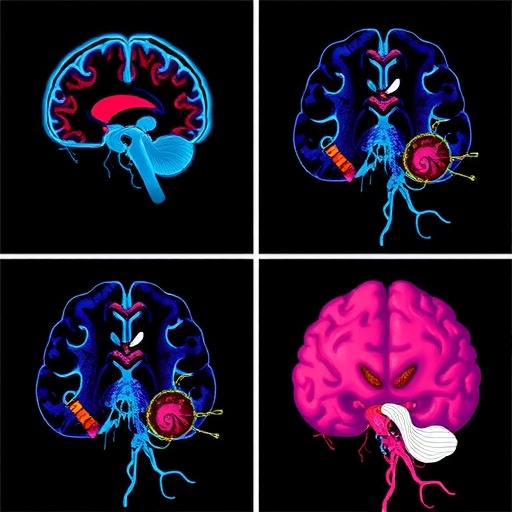
Recent advancements in neuroimaging technology have paved the way for deeper insights into the pathophysiology of various neurological disorders. Among these, myelin oligodendrocyte glycoprotein antibody-associated disease (MOGAD) has emerged as a focal point of research due to its diverse clinical manifestations and the complexities of its neuroimaging spectrum. In a significant study published in Pediatric Radiology, Choi et al. delved into the intricate relationship between MOGAD and its associated cerebral syndromes, presenting novel findings that promise to enhance diagnostic accuracy and treatment paradigms.
Discovering the neuroimaging characteristics of MOGAD is crucial because this autoimmune condition often remains underrecognized. MOGAD primarily affects myelin sheaths, leading to demyelination and a variety of neurological symptoms. Despite evolving awareness within the medical community, many practitioners still grapple with its clinical identification. The efforts of Choi and colleagues provide clarity to practitioners sifting through the myriad presentations associated with this disease.
Given the complexity of MOGAD, which frequently mimics other neurological disorders, neuroimaging plays an integral role in elucidating its features. Techniques such as MRI have proven invaluable in revealing subtle changes in the brain’s architecture associated with MOGAD. In particular, the detection of lesions in corticomedullary junctions and periventricular areas serves as a unique hallmark of MOGAD. These findings are crucial for differentiating MOGAD from conditions like multiple sclerosis or neuromyelitis optica, enabling more precise clinical management.
Choi et al. emphasize that the neuroimaging spectrum of MOGAD encompasses a wide range of cerebral syndromes, each with distinct imaging characteristics. For instance, patients may present with symptoms ranging from encephalitis to optic neuritis or even acute disseminated encephalomyelitis (ADEM). The variability in clinical presentations necessitates comprehensive neuroimaging studies to create a more robust differential diagnosis framework, ultimately aiming to minimize misdiagnosis.
Their study meticulously documented various presentations of MOGAD, with detailed analysis of the imaging findings that correlate closely with symptoms. For instance, the presence of MOG antibodies typically corresponds with specific patterns of lesions within the brain, as illustrated through diverse MRI sequences that capture both acute and chronic stages of the disease. These findings underscore the necessity of utilizing advanced neuroimaging techniques to identify key indicators of MOGAD with higher sensitivity and specificity.
One of the striking revelations from the research involves the inter-relationships between clinical syndromes and neuroimaging profiles. The patterns observed highlight the fact that different syndromic presentations might share underlying neuroimaging characteristics. For example, while optic neuritis is often associated with demyelinating lesions in the optic nerve, MOGAD can present with similar lesions but also demonstrate broader neuronal involvement across the brain, raising important questions regarding the autoimmune response’s nature in these patients.
Furthermore, the research discusses the implications of these findings for patient management. A clearer understanding of the neuroimaging spectrum allows clinicians to implement targeted therapeutic strategies that can be tailored to individual patients. By identifying the specific cerebral syndromes associated with MOGAD through neuroimaging, healthcare providers can refine their treatment approaches to include immunotherapy early in the disease course, potentially altering the disease’s trajectory.
Moreover, the study’s authors posit that the neuroimaging findings might not only facilitate diagnosis but could also serve as prognostic markers for patient outcomes. By correlating specific imaging features with clinical courses, clinicians could develop more informed expectations regarding disease progression, aiding in patient counseling and treatment planning.
In addition to clinical implications, the researchers encourage ongoing education and awareness initiatives targeting MOGAD. As understanding of the disease expands, so too does the need for widespread recognition amongst neurologists and radiologists alike. Highlighting the neuroimaging characteristics of MOGAD can foster an environment where rapid diagnosis becomes feasible, and timely interventions lead to improved patient outcomes.
Choi et al.’s findings echo the necessity for a multidisciplinary approach to MOGAD management. Neurologists, radiologists, and immunologists must collaborate to truly comprehend this complex disorder and its neuroimaging manifestations. As research into MOGAD continues to evolve, interdisciplinary discussions are essential to unravel the intricacies of its effects on the central nervous system and improve therapeutic options.
Ultimately, the study represents a significant leap forward in the understanding of MOGAD. By elucidating the neuroimaging spectrum and its associated cerebral syndromes, Choi et al. have laid a foundation for ongoing research. Future studies are likely to build upon these findings, exploring genetic, environmental, and immunological factors that may further enhance understanding of this enigmatic disorder.
Spotlighting the promising insights from this research could lead to increased dialogue within the scientific community and beyond, raising awareness of MOGAD and encouraging further exploration. Such initiatives are not only beneficial for refining diagnostic criteria but also critical in enhancing therapeutic interventions and improving overall patient care in the face of this challenging autoimmune disease.
In conclusion, the research conducted by Choi and colleagues on the neuroimaging spectrum of MOGAD represents a pivotal advancement in neurologic medicine. As the healthcare community works to unravel the complexities of autoimmune diseases, studies like this one will serve as vital resources, ensuring that medical professionals have access to the most current information to inform their practice.
Choi, Y., Kim, W., Lim, B. et al. Neuroimaging spectrum of myelin oligodendrocyte glycoprotein antibody-associated disease with brain involvement: description of various cerebral syndromes.
Pediatr Radiol (2025). https://doi.org/10.1007/s00247-025-06342-y
Cite Scienmag News
Nathaniel Bowman. (August 11, 2025). Exploring Cerebral Syndromes in MOG Antibody Disease. Scienmag. https://scienmag.com/exploring-cerebral-syndromes-in-mog-antibody-disease/
Nathaniel Bowman. "Exploring Cerebral Syndromes in MOG Antibody Disease." Scienmag, 11 August 2025, https://scienmag.com/exploring-cerebral-syndromes-in-mog-antibody-disease/. Accessed 4 September 2026.
Nathaniel Bowman. "Exploring Cerebral Syndromes in MOG Antibody Disease." Scienmag. August 11, 2025. https://scienmag.com/exploring-cerebral-syndromes-in-mog-antibody-disease/


