


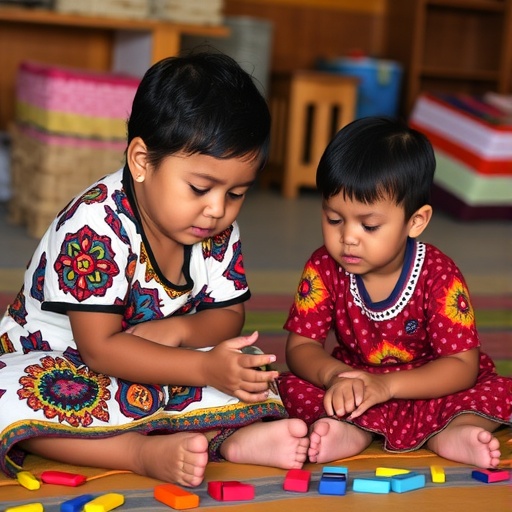
In a groundbreaking study, researchers have embarked on a journey to assess the impact of a transformative educational initiative known as “Learning Language and Loving It™,” specifically tailored for Aboriginal communities. This program emphasizes the importance of culturally relevant practices, aiming to improve early childhood education through a participatory evaluation framework. This approach not only engages educators but also meaningfully involves community members, ensuring that the voices of those most affected by the educational outcomes are prominently heard.
The evaluation encapsulated in the study springs from a deeply rooted understanding of the unique cultural landscape in which Aboriginal children learn and thrive. Focusing on a kindergarten setting led by the community, the researchers utilized qualitative methods, follow-up interviews, and participatory observation to gather rich data on experiences within the program. The primary aim: to illuminate how culturally embedded pedagogical practices can enhance language acquisition and overall child development in Aboriginal settings.
Key findings from the research reveal that fostering a sense of belonging and cultural identity is paramount in early childhood education. The program’s success is attributed to its ability to weave the rich tapestry of Aboriginal histories, languages, and values into the everyday learning experiences of children. This celebrated approach not only supports language development but also strengthens the emotional and social foundations necessary for holistic growth.
Moreover, the researchers shed light on the need for professional development among educators. Highlighting the importance of training in culturally responsive practices, the team identified gaps in existing pedagogical strategies that often overlook the sensibilities of Aboriginal children. By providing educators with the tools and understanding necessary to navigate these complexities, the program opens doors to more effective teaching methodologies that resonate with students on a personal level.
Community involvement emerged as a central theme throughout the evaluation. Parents, elders, and community leaders were actively engaged in the learning process, lending their voices and expertise to create an inclusive educational environment. By prioritizing indigenous knowledge systems, the program fosters mutual respect and understanding between educators and the community. This dynamic relationship enriches the learning landscape and reinforces the relevance of culturally relevant teaching.
The implications of the research extend beyond the immediate findings; they suggest a broader need for educational reforms that center on Indigenous ways of knowing. The benefits of integrating such pedagogical styles into mainstream education systems could be profound, potentially leading to a greater appreciation and preservation of Aboriginal languages and cultures across broader contexts.
However, challenges remain in implementing such programs effectively. Structural barriers within the educational system, including funding limitations and lack of policy support for Aboriginal-led initiatives, often hinder progress. The research underscores the necessity for systemic change, advocating for policies that not only recognize but also prioritize Indigenous education in tangible and meaningful ways.
As the research highlights, the journey towards educational equity for Aboriginal communities requires ongoing commitment and collaboration. Stakeholders, including government agencies, educational institutions, and community organizations, must come together to forge pathways that honor the rights and identities of Aboriginal learners.
The study concludes by calling for continued research into the efficacy of culturally responsive strategies in education. Future projects should aim for longitudinal assessments, allowing for a deeper understanding of how such pedagogies impact long-term educational outcomes and community wellbeing.
With a wellspring of evidence backing the importance of culturally relevant education, the research offers a compelling case for reimagining early childhood programs across Canada and beyond. Through an increasingly inclusive lens, this study stands as a testament to the resilience of Aboriginal communities and their commitment to nurturing the next generation.
Ultimately, the findings present a crucial narrative about the possibility of reconciling educational practices with cultural identities. Society must grapple with these insights, considering how inclusive pedagogies can serve as catalysts for social change and community empowerment. The promise of such educational frameworks lies not only in academic achievement but in fostering environments where every child can embrace their cultural heritage while thriving in a modern educational landscape.
The potential to reshape early childhood education is immense, yet it hinges on our collective willingness to listen, learn, and enact change. Programs like “Learning Language and Loving It™” illuminate pathways forward, revealing the power of community-led initiatives that celebrate diversity and promote inclusivity in educational practices.
Stark, H., Smeaton, P., Kennedy, P. et al. Learning Together: a Participatory Evaluation of the Learning Language and Loving It™ Program in an Aboriginal Community-Led Kindergarten. Early Childhood Educ J (2025). https://doi.org/10.1007/s10643-025-01973-0
Cite Scienmag News
Courtney Benton. (September 3, 2025). Evaluating Language Growth in Aboriginal Community Kindergartens. Scienmag. https://scienmag.com/evaluating-language-growth-in-aboriginal-community-kindergartens/
Courtney Benton. "Evaluating Language Growth in Aboriginal Community Kindergartens." Scienmag, 3 September 2025, https://scienmag.com/evaluating-language-growth-in-aboriginal-community-kindergartens/. Accessed 3 September 2026.
Courtney Benton. "Evaluating Language Growth in Aboriginal Community Kindergartens." Scienmag. September 3, 2025. https://scienmag.com/evaluating-language-growth-in-aboriginal-community-kindergartens/


