


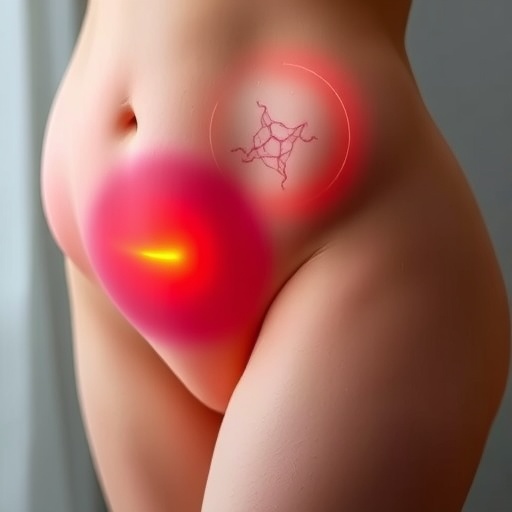
Recent research has thrown a spotlight on the intricate relationship between endometriosis and cancer, particularly the way in which endometriosis may embody several characteristics often associated with malignant tumors. This investigation into the features of endometriosis that mirror the hallmarks of cancer has garnered significant attention, indicating a pressing need to rethink our understanding of this common gynecological disorder. As scientists delve deeper into this potential correlation, the findings may pave the way for new diagnostic and therapeutic approaches.
Endometriosis, a condition where the tissue similar to the lining inside the uterus grows outside it, affects millions of women globally. This growth can lead to various complications such as chronic pain, infertility, and severe emotional stress. Traditionally, endometriosis has been considered benign; however, this new wave of research suggests that the biological behavior of endometriotic tissue may possess malignant characteristics that warrant further investigation.
The study, conducted by researchers at a leading reproductive health institute, highlights how certain cellular and molecular mechanisms involved in endometriosis align closely with those that govern tumorigenesis. The authors, Ellis and Wood, propose that endometriosis could be viewed through the lens of cancer biology, offering a novel perspective that could shift treatment strategies. The implications of this viewpoint could lead to a major transformation in how clinicians approach endometriosis from diagnosis to management.
One critical hallmark identified is the ability of endometriotic cells to evade apoptosis, the natural process of programmed cell death. Cancer cells are notorious for dodging this mechanism, which allows them to proliferate unchecked. Similarly, the persistence of endometriotic lesions suggests that they too may have adapted to resist the normal regulatory signals that would typically eliminate abnormal cells from the body.
Furthermore, the inflammation associated with endometriosis mirrors the inflammatory environment often seen in tumors. Chronic inflammation is a well-documented factor in cancer progression, as it can promote cell proliferation and genetic instability. The study outlines how endometriosis creates a local inflammatory milieu that may enhance the survival and growth of these ectopic endometrial cells, potentially fostering a microenvironment conducive to neoplastic transformation.
An equally compelling aspect of the research focuses on the angiogenic processes occurring in endometriotic tissue. Just as tumors employ angiogenesis to secure nutrients and oxygen for their growth, endometriotic lesions utilize similar pathways. The formation of new blood vessels enhances lesion viability and sustains their growth, reinforcing the concept that some endometriotic tissues act in ways akin to cancerous growths.
Equally intriguing is the research into genetic and epigenetic alterations observed in endometriosis cases. Just as tumors exhibit mutations that drive malignant behavior, endometriotic cells show distinctive genetic profiles that could serve as biomarkers for disease progression. Understanding these genetic variations may not only facilitate earlier diagnosis but also contribute to personalized treatment options tailored to individual patients’ needs.
The study also ventures into the hormonal influences that modulate both endometriosis and certain cancers. The intricacies of estrogen signaling and its role in cell proliferation cannot be overstated. The interplay between hormonal factors and the activation of oncogenic pathways suggests that disrupting these signals could yield promising therapeutic avenues for those suffering from endometriosis-related complications, as well as potentially reduce the associated risk of ovarian cancer.
There is also a focus on the systemic implications of endometriosis beyond the reproductive system. The chronic pain and systemic inflammation are not merely symptoms but rather signals that the body’s homeostasis is disrupted. This dysregulation extends to the immune system, and the interplay between immune responses and endometriosis could offer insights into potential strategies for inducing remission or reversing the condition’s progression.
Despite the compelling data presented, it’s important to note that the link between endometriosis and cancer is still under investigation. While the findings suggest a potential overlap, further extensive studies are required to delineate the exact mechanisms and establish causative relationships. Researchers emphasize that caution should be exercised in interpretation and application of these findings in clinical settings until more definitive conclusions are drawn.
As these theories gain traction within the scientific community, it becomes increasingly clear that further education about endometriosis and its complexities is essential. Raising awareness among healthcare providers will ensure that patients receive comprehensive care, acknowledging both the physical and psychological burdens they face. Moreover, fostering a supportive environment for patients might lead to improved quality of life and better management of symptoms.
The compelling narrative of endometriosis as a condition mirroring cancer hallmarks invites not only scientific inquiry but also broader public health discussions. As societies begin to prioritize women’s health issues, integrating the findings of this research into medical curricula and patient education could empower women to seek help earlier and advocate for their health more effectively.
The implications of this research encourage a paradigm shift in clinical practice, potentially revolutionizing the treatment landscape for those afflicted by endometriosis. In creating a deeper understanding of the cancer-like properties of endometriosis, we can explore groundbreaking therapies that not only mitigate symptoms but also alter the disease’s trajectory. The pursuit of such advancements is imperative as the quest for women’s health equity continues.
Ultimately, bridging the gap between traditional beliefs about benign conditions and emerging data suggesting malignant potential opens up an arena of clinical possibilities. The relationship between endometriosis and cancer warrants continuous research, and its evolution may redefine the treatments available, shaping a future where women experiencing these conditions receive timely and effective interventions.
In summary, this review of the intersection between endometriosis and cancer highlights an urgent need to rethink prevailing medical paradigms. Through dedicated research and open dialogue, we can hope for advancements that benefit women worldwide, fostering lives of health and dignity.
Ellis, K., Wood, R. Endometriosis and the Hallmarks of Cancer.
Reprod. Sci. (2025). https://doi.org/10.1007/s43032-025-02024-0
Cite Scienmag News
Nathaniel Bowman. (December 23, 2025). Endometriosis: Unveiling Its Cancer Hallmarks. Scienmag. https://scienmag.com/endometriosis-unveiling-its-cancer-hallmarks/
Nathaniel Bowman. "Endometriosis: Unveiling Its Cancer Hallmarks." Scienmag, 23 December 2025, https://scienmag.com/endometriosis-unveiling-its-cancer-hallmarks/. Accessed 3 September 2026.
Nathaniel Bowman. "Endometriosis: Unveiling Its Cancer Hallmarks." Scienmag. December 23, 2025. https://scienmag.com/endometriosis-unveiling-its-cancer-hallmarks/


