


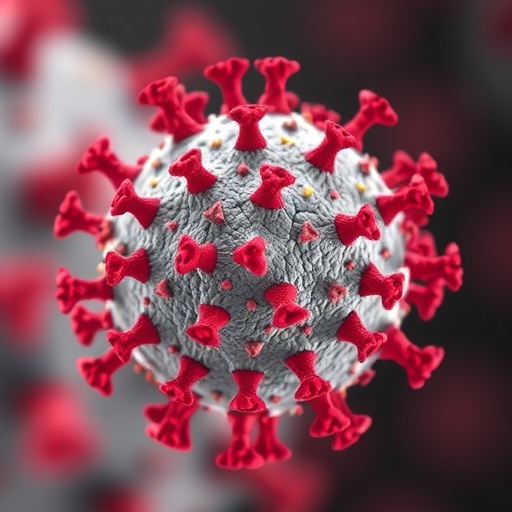
The Global Virus Network (GVN) has recently expressed strong support for the significant advancements in vaccine development targeting the highly pathogenic avian influenza virus H5N1, reflecting an escalating urgency to confront this persistent zoonotic threat. Central to this momentum is the initiation of a pivotal Phase 3 clinical trial by Moderna, utilizing an mRNA platform for their vaccine candidate, mRNA-1018. This trial is predominantly conducted across clinical sites in the United Kingdom with several locations in the United States, bolstered by investments from the UK’s National Institute for Health and Care Research and the Coalition for Epidemic Preparedness Innovations (CEPI). Such coordinated efforts underscore a critical junction in global pandemic preparedness, leveraging innovative vaccine technologies to curb a virus known for its rapid host expansion and geographic spread.
H5N1 avian influenza has alarmingly demonstrated increased granularity in its epidemiological footprint, with over 2,500 documented detections of highly pathogenic strains across 32 European nations between late 2025 and early 2026. The majority of these cases involve wild bird populations, an ecological reservoir that amplifies viral persistence and evolution. These figures represent unprecedented prevalence compared to prior years, as reported jointly by the European Food Safety Authority and the European Centre for Disease Prevention and Control. Simultaneously, widespread outbreaks are occurring globally, encompassing multiple regions and diverse animal hosts, reflecting complex interspecies transmission dynamics facilitated through sustained viral circulation in animal reservoirs.
The zoonotic interface remains a vital focal point of concern. Human H5N1 infections, though sporadic, continue to emerge, notably in Cambodia where over 30 cases have been recorded since 2023. These infections have been marked by severe clinical manifestations and a mortality rate exceeding 40%, according to comprehensive surveillance data from both domestic and international health authorities. The reported cases in early 2026 exemplify the persisting threat of zoonotic spillover and the virus’s ability to inflict significant morbidity and mortality in humans. This prompts an imperative for continuous surveillance and preparedness strategies tailored to mitigate the risk of human infection and potential onward transmission.
A cornerstone of the GVN’s advocacy relates to the necessity for an integrated pandemic preparedness framework that transcends vaccine development alone. While mRNA-based vaccines offer a robust and adaptable platform to generate immunogenicity against evolving H5N1 variants, the network emphasizes the imperative to embed vaccine research within a broader context – encompassing vigilant genomic surveillance, real-time data sharing, and robust biosecurity measures. This holistic strategy is essential to align vaccine deployment with the shifting landscape of viral evolution and epidemiological trends, thereby enhancing the operational readiness to tackle emergent viral threats.
The scientific community observes that, despite the absence of documented sustained human-to-human transmission of H5N1, the virus’s capacity to infect a widening array of animal species, including mammals, signals a heightened pandemic potential. Viral genetic reassortment events and adaptive mutations observed in field surveillance denote an evolutionary trajectory that could feasibly culminate in enhanced transmissibility among humans. Such developments amplify the necessity for proactive, evidence-based interventions aimed at containment and mitigation before viral adaptation reaches a critical threshold that facilitates human epidemic propagation.
The Moderna vaccine candidate, mRNA-1018, exemplifies the clinical translation of mRNA technology to produce targeted immunogens capable of eliciting protective immunity against specific viral strains. Its Phase 3 trial represents a rigorous assessment of vaccine efficacy, safety, and real-world performance in diverse populations. This trial not only sets a benchmark for mRNA vaccine development for influenza but also establishes a paradigm for rapid vaccine design and clinical evaluation against emergent pathogens. The modularity of mRNA platforms aligns with the urgent need for scalability and precision in vaccine responses amid dynamically evolving viral populations.
GVN experts advocate for tailored vaccination strategies prioritizing high-risk groups such as agricultural workers who face elevated exposure to avian reservoirs. Integrating vaccination campaigns with frontline surveillance data enhances the targeting of these interventions, maximizing their public health impact. Concurrently, clinical evaluation of vaccine effectiveness against newly emerging H5N1 variants remains critical to ascertain durability of protection and to inform iterative vaccine updates, ensuring sustained immunological coverage.
Data sharing and international collaboration constitute foundational pillars in the global response landscape. Real-time genomic sequencing data and epidemiological reports must be disseminated promptly across national borders to enable predictive analytics and informed public health decision-making. The GVN supports the establishment of interoperable data repositories and cooperative frameworks that transcend geopolitical boundaries, facilitating synchronized responses to outbreaks and the coordinated deployment of medical countermeasures.
Biosecurity enhancements remain indispensable to reducing zoonotic interface risk. Effective surveillance systems within animal populations, coupled with stringent containment protocols at the human-animal interface, reduce opportunities for viral spillover. Harmonization of veterinary and human health surveillance, driven by the “One Health” approach, provides a comprehensive framework to detect and intervene in zoonotic transmission chains promptly.
Preparedness also entails clinical readiness, ensuring healthcare infrastructure is equipped to manage potential outbreaks with robust diagnostic, therapeutic, and supportive modalities. The enhancement of laboratory capacities, frontline healthcare worker training, and stockpiling of necessary medical supplies align with the multifaceted approach to pandemic resilience. The GVN underscores that preparedness hinges upon sustained commitment and resource allocation to maintain operational capabilities in the inter-pandemic period.
The expanding host range of H5N1 and its capacity for sustained animal transmission highlight an evolving pandemic threat scenario wherein containment strategies must adopt anticipatory rather than reactive stances. The GVN’s evidence-based recommendations emphasize that the time to act decisively is prior to the realization of widespread human transmission, capitalizing on current windows of opportunity to enhance surveillance, vaccine readiness, and collaborative mechanisms.
In conclusion, the renewed impetus in H5N1 vaccine development, exemplified by Moderna’s mRNA-1018 Phase 3 trial, signifies robust scientific progress but also serves as a clarion call for comprehensive and coordinated global preparedness. Strategic integration of vaccine innovation, surveillance intelligence, biosecurity, and clinical readiness forms the undergirding framework to mitigate the formidable pandemic risks posed by H5N1 avian influenza. The collective expertise of the Global Virus Network reiterates a resolute imperative: preparedness today is the decisive factor in averting a catastrophic influenza pandemic tomorrow.
Cite Scienmag News
Kristina Jarvis. (April 27, 2026). Cutting-Edge Advances in H5N1 Vaccine Development Highlighted by Global Virus Network. Scienmag. https://scienmag.com/cutting-edge-advances-in-h5n1-vaccine-development-highlighted-by-global-virus-network/
Kristina Jarvis. "Cutting-Edge Advances in H5N1 Vaccine Development Highlighted by Global Virus Network." Scienmag, 27 April 2026, https://scienmag.com/cutting-edge-advances-in-h5n1-vaccine-development-highlighted-by-global-virus-network/. Accessed 3 September 2026.
Kristina Jarvis. "Cutting-Edge Advances in H5N1 Vaccine Development Highlighted by Global Virus Network." Scienmag. April 27, 2026. https://scienmag.com/cutting-edge-advances-in-h5n1-vaccine-development-highlighted-by-global-virus-network/


