

Friday, October 23, 2026
Science
No Result
View All Result
  • Login
  • HOME
  • SCIENCE NEWS
  • CONTACT US
  • HOME
  • SCIENCE NEWS
  • CONTACT US
No Result
View All Result
Scienmag
No Result
View All Result
Home Science News Biology

Colistin Reshapes Biofilms and Cell-Surface Charge in Environmental Pseudomonas

October 23, 2026
in Biology
Drew Townsend
By Drew Townsend Scienmag Editorial Profile - Cell Biology
Reading Time: 2 mins read
0
Colistin Reshapes Biofilms and Cell-Surface Charge in Environmental Pseudomonas

Colistin Reshapes Biofilms and Cell-Surface Charge in Environmental Pseudomonas

65
SHARES
587
VIEWS
Share on FacebookShare on Twitter
ADVERTISEMENT

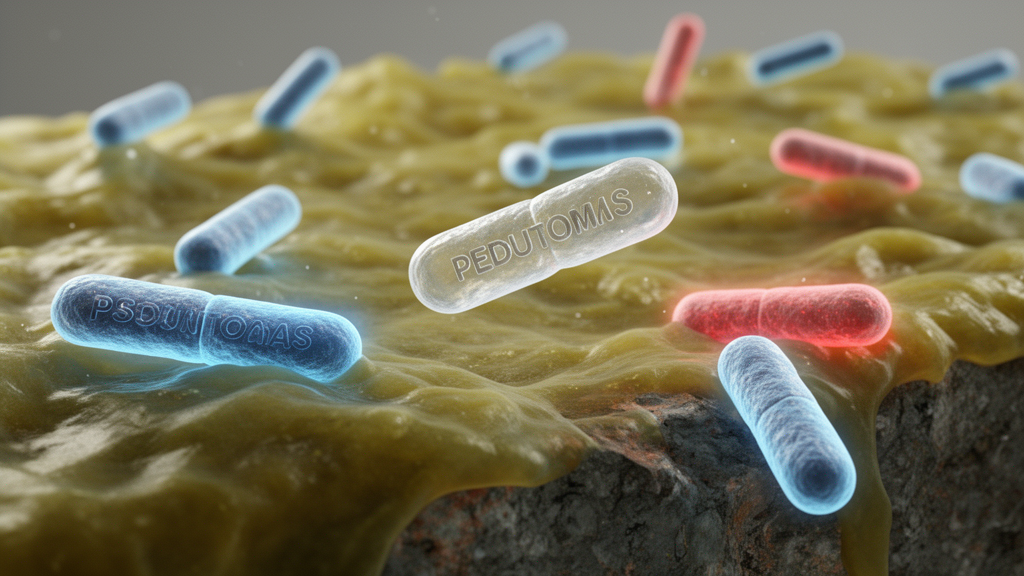
Sub-inhibitory exposure to colistin, a last-resort antibiotic for multidrug-resistant Gram-negative infections, produces complex and strain-specific physiological changes in environmental Pseudomonas species, according to a peer-reviewed study published 23 October 2026 in Microbial Ecology by Wioleta Lewandowska and colleagues. The study combined comparative genomics with phenotypic testing on environmental Pseudomonas isolates and found that colistin exposure modulated biofilm formation and altered cell-surface electrokinetic properties in ways that varied substantially from strain to strain.

The team selected environmental Pseudomonas isolates that showed distinct patterns of genomic similarity in average nucleotide identity (ANI) analysis, then tested how each responded to colistin in the laboratory. Susceptibility profiling revealed substantial heterogeneity: the isolates displayed a range of colistin susceptibility profiles rather than a uniform response, underscoring the diversity within this single environmental genus.

When the researchers exposed the bacteria to sub-inhibitory concentrations of colistin, meaning doses below the level that inhibits growth, biofilm formation was significantly modulated, and the direction of the effect depended on the strain. Some isolates enhanced biofilm synthesis under colistin pressure, while others inhibited it. The authors present this as a strain-dependent bifurcation in response, demonstrating that a single antibiotic can push closely related environmental bacteria toward opposite physiological outcomes.

Electrokinetic analysis, which measures the effective charge of the bacterial cell surface, revealed pronounced alterations following colistin exposure. The colistin-susceptible strains showed increased negative surface charge after exposure, consistent with dynamic remodeling of the cell envelope. The resistant isolates, by contrast, exhibited more limited and concentration-dependent shifts in surface charge. The study reports these as measured differences between susceptibility groups, without asserting a specific molecular mechanism behind them.

Whole-genome sequencing of the isolates identified a broad repertoire of genes potentially associated with antimicrobial resistance. These included genes involved in efflux systems, membrane modification, and heavy-metal resistance. The authors present these as genes potentially associated with resistance identified by sequencing, not as confirmed functional resistance mechanisms demonstrated experimentally in the study.

The study’s central conclusion is that colistin’s effects on bacteria extend beyond its antimicrobial activity. Exposure induced complex, strain-specific physiological responses involving dynamic remodeling of the bacterial cell envelope and associated surface properties, meaning that even sub-lethal drug concentrations can reshape measurable physical characteristics of surviving cells.

The findings come from environmental isolates studied in vitro, so they characterize physiological responses under laboratory conditions rather than outcomes in treated patients. The authors note that while the genetic determinants of colistin resistance have been extensively studied, the functional and physiological responses of bacteria to colistin exposure remain incompletely understood, a gap this strain-level comparison of genomics and phenotypes is intended to narrow.

Subject of Research: Phenotypic and genomic responses of environmental Pseudomonas isolates to colistin exposure

Article Title: Colistin Affects Biofilm Formation and the Electrokinetic Potential Profile in Environmental Pseudomonas spp.: Comparative Genomics and Phenotypic Analysis

Article References: Wioleta, L., Ewa, O.-G., Justyna, D. M., & Izabela, Ś. (2026). Colistin Affects Biofilm Formation and the Electrokinetic Potential Profile in Environmental Pseudomonas spp.: Comparative Genomics and Phenotypic Analysis. Microbial Ecology. https://doi.org/10.1007/s00248-026-02917-w

Image Credits: AI Generated

DOI: 10.1007/s00248-026-02917-w

Keywords: colistin, Pseudomonas, biofilm formation, antimicrobial resistance, electrokinetic potential, cell surface charge, whole-genome sequencing, sub-inhibitory concentration, cell envelope, environmental isolates, comparative genomics, Affects

Cite Scienmag News

Drew Townsend. (October 23, 2026). Colistin Reshapes Biofilms and Cell-Surface Charge in Environmental Pseudomonas. Scienmag. https://scienmag.com/colistin-reshapes-biofilms-and-cell-surface-charge-in-environmental-pseudomonas/


Drew Townsend. "Colistin Reshapes Biofilms and Cell-Surface Charge in Environmental Pseudomonas." Scienmag, 23 October 2026, https://scienmag.com/colistin-reshapes-biofilms-and-cell-surface-charge-in-environmental-pseudomonas/. Accessed 23 October 2026.

Drew Townsend. "Colistin Reshapes Biofilms and Cell-Surface Charge in Environmental Pseudomonas." Scienmag. October 23, 2026. https://scienmag.com/colistin-reshapes-biofilms-and-cell-surface-charge-in-environmental-pseudomonas/

Tags: affectsantibiotic-induced physiological changesAntimicrobial Resistancebiofilm formationbiofilm modulation by antibioticscell envelopecell surface chargecell-surface charge alterationcolistinColistin resistance in environmental Pseudomonascomparative genomicscomparative genomics of Pseudomonaselectrokinetic potentialelectrokinetic properties of bacteriaenvironmental isolatesenvironmental microbial diversityimpact of antibiotics on biofilm formationmultidrug-resistant Gram-negative bacteriaphenotypic variability in bacterial isolatesPseudomonasstrain-specific bacterial responsessub-inhibitory antibiotic effectssub-inhibitory concentrationwhole genome sequencing
Share26Tweet16
Previous Post

Cementing bivalve genome reveals codon reassignment and reshuffled karyotypes

Next Post

Three New Measures Quantify Dynamical Coherence of Quantum Channels

Related Posts

Cementing bivalve genome reveals codon reassignment and reshuffled karyotypes
Biology

Cementing bivalve genome reveals codon reassignment and reshuffled karyotypes

October 23, 2026
Ticks Dominate Cattle Ectoparasite Diagnoses in Nine-Year Ethiopian Clinic Record Review
Biology

Ticks Dominate Cattle Ectoparasite Diagnoses in Nine-Year Ethiopian Clinic Record Review

October 23, 2026
Benchmarking Study Reveals Best Statistical Tools for Detecting Variable DNA Methylation
Biology

Benchmarking Study Reveals Best Statistical Tools for Detecting Variable DNA Methylation

October 23, 2026
Genomic Footprints of Selection Reveal Divergent Evolution in Five Italian Beef Cattle Breeds
Biology

Genomic Footprints of Selection Reveal Divergent Evolution in Five Italian Beef Cattle Breeds

October 23, 2026
Antarctic Nunatak Soils Reveal Diverse Cold-Adapted Microbes
Biology

Antarctic Nunatak Soils Reveal Diverse Cold-Adapted Microbes

October 23, 2026
SOS-independent prophage induction may spread resistance genes beyond DNA damage
Biology

SOS-independent prophage induction may spread resistance genes beyond DNA damage

October 22, 2026
Next Post
Three New Measures Quantify Dynamical Coherence of Quantum Channels

Three New Measures Quantify Dynamical Coherence of Quantum Channels

  • Mothers who receive childcare support from maternal grandparents show more optimized

    Mothers who receive childcare support from maternal grandparents show more parental warmth, finds NTU Singapore study

    27656 shares
    Share 11059 Tweet 6912
  • University of Seville Breaks 120-Year-Old Mystery, Revises a Key Einstein Concept

    1061 shares
    Share 424 Tweet 265
  • Bee body mass, pathogens and local climate influence heat tolerance

    682 shares
    Share 273 Tweet 171
  • Researchers record first-ever images and data of a shark experiencing a boat strike

    546 shares
    Share 218 Tweet 137
  • Groundbreaking Clinical Trial Reveals Lubiprostone Enhances Kidney Function

    531 shares
    Share 212 Tweet 133
Science

Embark on a thrilling journey of discovery with Scienmag.com—your ultimate source for cutting-edge breakthroughs. Immerse yourself in a world where curiosity knows no limits and tomorrow’s possibilities become today’s reality!

RECENT NEWS

  • Langmuir circulation scheme outperforms wave orbital mixing in northwestern Pacific model
  • Three New Measures Quantify Dynamical Coherence of Quantum Channels
  • Colistin Reshapes Biofilms and Cell-Surface Charge in Environmental Pseudomonas
  • Cementing bivalve genome reveals codon reassignment and reshuffled karyotypes

Categories

  • Agriculture
  • Anthropology
  • Archaeology
  • Athmospheric
  • Biology
  • Biotechnology
  • Blog
  • Bussines
  • Cancer
  • Chemistry
  • Climate
  • Earth Science
  • Editorial Policy
  • Marine
  • Mathematics
  • Medicine
  • Pediatry
  • Policy
  • Psychology & Psychiatry
  • Science Education
  • Science News
  • Social Science
  • Space
  • Technology and Engineering

Subscribe to Blog via Email

Enter your email address to subscribe to this blog and receive notifications of new posts by email.

Join 5,151 other subscribers

© 2025 Scienmag - Science Magazine

Welcome Back!

Login to your account below

Forgotten Password?

Retrieve your password

Please enter your username or email address to reset your password.

Log In
No Result
View All Result
  • HOME
  • SCIENCE NEWS
  • CONTACT US

© 2025 Scienmag - Science Magazine

Discover more from Science

Subscribe now to keep reading and get access to the full archive.

Continue reading