


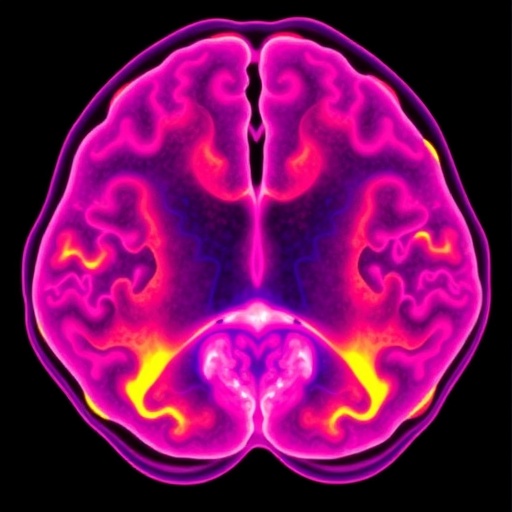
Sellar chondrosarcomas represent a highly rare and formidable challenge in the realm of neuro-oncology. These malignant bone tumors, originating from cartilage-forming cells, manifest within the sellar region at the base of the skull—a critical area housing the pituitary gland and surrounded by vital neurological structures. Comprising merely 0.2% of all cranial tumors, their infrequency compounds the difficulty clinicians face in early detection and effective treatment. Historically, transcranial surgical methods have dominated therapeutic approaches, often necessitating invasive procedures through the skull to access and remove these tumors.
Advancements in surgical technology and technique, however, have ushered in a transformative era in the management of sellar chondrosarcomas. The rise of endonasal endoscopic surgery has revolutionized tumor resection within this delicate anatomical corridor. This minimally invasive approach employs an endoscope navigated through the nasal passages, offering direct visualization of the tumor with reduced collateral damage and improved patient recovery times. Despite its promising prospects, comprehensive evaluations of clinical outcomes with this method had been limited until recently.
In a pioneering study published in the reputable Chinese Neurological Journal, a research team led by Professor SongBai Gui from Beijing Tiantan Hospital meticulously analyzed the efficacy and clinical results of endonasal endoscopic resection of sellar chondrosarcomas. Their investigation encompassed a case series of four patients who underwent this endoscopic approach—supplemented by an exhaustive literature review of eight analogous cases, thereby consolidating insights from a total of twelve patients afflicted with this rare malignancy.
The study highlights the primary symptoms accompanying sellar chondrosarcomas, shedding light on their often-subtle clinical presentation. Visual disturbances emerged as the most frequent complaint, affecting approximately two-thirds of the patients, underscoring the tumor’s impact on the optic pathways. Headaches, reported by half of the patients, further illustrated the mass effect these neoplasms exert in the confined sellar region. Intriguingly, one-third of the cases presented with endocrine abnormalities, a reflection of the tumor’s proximity and potential disruption of the pituitary gland’s hormonal function.
Diagnostic precision remains a formidable hurdle in managing sellar chondrosarcomas. The study underscores an alarming trend: only a single patient among the twelve was accurately diagnosed prior to surgical intervention, with the remainder being misclassified as having chordomas, invasive non-functioning pituitary adenomas, or craniopharyngiomas—tumors that present with overlapping radiological and clinical features. This diagnostic ambiguity often delays appropriate treatment, potentially compromising patient outcomes.
To address these challenges, the researchers advocate leveraging advanced imaging modalities—primarily magnetic resonance imaging (MRI) and computed tomography (CT)—paired with a nuanced understanding of clinical indicators to enhance preoperative diagnostic accuracy. Specific MRI characteristics, such as heterogeneous enhancement patterns and the absence of diffusion restriction, coupled with CT findings of adjacent bone destruction and tumor-bone attachment, can provide crucial clues favoring chondrosarcoma. Furthermore, the preservation or only mild disturbance of anterior pituitary function serves as an important clinical hallmark, differentiating sellar chondrosarcomas from other sellar lesions more likely to disrupt hormone secretion.
The intricacies of imaging interpretation are pivotal, as the integration of heterogeneous MRI intensities reflects the tumor’s variable cellular makeup and chondroid matrix composition. The absence of diffusion restriction indicates free water molecule movement within the tumor, contrasting with more cellularly dense neoplasms that often restrict diffusion. CT imaging provides complementary data, revealing cortical bone erosion and peritumoral osseous changes, hallmark features aiding in differential diagnosis.
Surgical management remains the cornerstone of treatment, with gross total resection being the optimal therapeutic objective to maximize tumor control and minimize recurrence. However, the study reveals that complete tumor removal was achievable in only seven of the twelve examined patients. In cases of subtotal resection, the residual tumor mass poses an ongoing risk, necessitating adjunctive therapeutic strategies.
Professor Gui and colleagues emphasize the integration of adjuvant radiotherapy as a critical component in managing residual or recurrent disease post-surgery. Radiotherapeutic interventions, tailored to the patient’s tumor characteristics and postoperative status, can augment local control, potentially improving long-term prognosis. Nevertheless, the rarity of sellar chondrosarcomas underscores the need for individualized treatment plans and vigilant follow-up protocols.
The implications of this study extend beyond mere clinical practice; they represent a vital step toward unraveling the enigma of a rare disease characterized by diagnostic difficulty and therapeutic complexity. By collating and analyzing clinical, radiological, and surgical data, the research offers an invaluable framework to facilitate early identification, accurate diagnosis, and effective treatment of sellar chondrosarcomas.
As the medical community continues to refine minimally invasive skull base surgical techniques and advanced imaging capabilities, the landscape of sellar chondrosarcoma management is poised for further evolution. This work not only reinforces the promise of endonasal endoscopic surgery but also serves as a clarion call for heightened awareness among clinicians to recognize the subtle yet distinctive features of these elusive tumors.
In conclusion, the comprehensive analysis conducted by Professor SongBai Gui’s team marks a significant milestone in the journey to demystify sellar chondrosarcomas. The synergy of cutting-edge surgical innovation, meticulous imaging interpretation, and thoughtful clinical assessment paves the way for improved patient outcomes in this niche yet critical domain of neuro-oncology.
Cite Scienmag News
Nathaniel Bowman. (August 22, 2025). Chinese Neurosurgical Journal Highlights Rare Central Nervous System Tumor Study. Scienmag. https://scienmag.com/chinese-neurosurgical-journal-highlights-rare-central-nervous-system-tumor-study/
Nathaniel Bowman. "Chinese Neurosurgical Journal Highlights Rare Central Nervous System Tumor Study." Scienmag, 22 August 2025, https://scienmag.com/chinese-neurosurgical-journal-highlights-rare-central-nervous-system-tumor-study/. Accessed 3 September 2026.
Nathaniel Bowman. "Chinese Neurosurgical Journal Highlights Rare Central Nervous System Tumor Study." Scienmag. August 22, 2025. https://scienmag.com/chinese-neurosurgical-journal-highlights-rare-central-nervous-system-tumor-study/


