


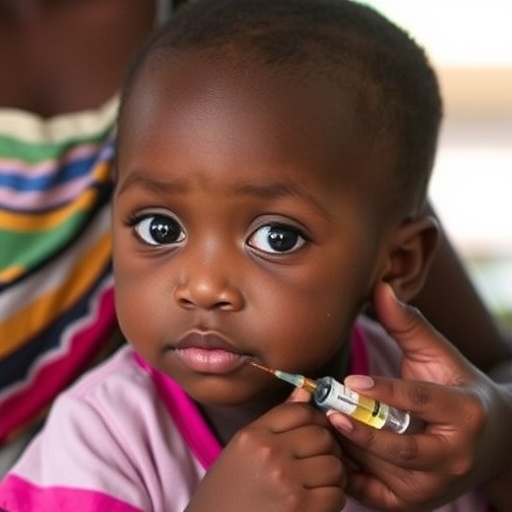
In an enlightening prospective cohort study conducted in Ghana, researchers Asafo-Agyei, Ameyaw, Nguah, and their team bring critical attention to the immunisation status and its correlation with clinical outcomes in children admitted to paediatric emergency units. Against the backdrop of global health initiatives focused on vaccination, this investigation provides vital insights into how immunisation plays a crucial role in paediatric emergency care and overall child health.
The study encompassed a rigorous methodological framework, focusing on children aged 0 to 15 years, who were admitted to a prominent paediatric emergency unit in Ghana over a designated period. The choice of this age range is pivotal given that early childhood is a crucial window for vaccinations that significantly reduce morbidity and mortality associated with infectious diseases. The research aimed to assess the prevalence of vaccination amongst these children and analyze their clinical outcomes in relation to their immunisation status.
The underlying hypothesis driving this study rested on established epidemiological evidence which suggests that unimmunized children are at a heightened risk of adverse health outcomes. This study meticulously gathered data that not only illustrated the vaccination rates but was also instrumental in identifying specific health challenges faced by children who were under-vaccinated or unvaccinated. The ramifications of such findings could resonate through public health policy and clinical practices globally, underscoring the dire necessity for rigorous vaccination campaigns.
Furthermore, the analysis took into account various sociodemographic factors, including parental education levels, economic background, and healthcare accessibility. Such parameters are known to influence vaccination rates and health outcomes in children. The researchers delved into the complexities surrounding these factors, revealing how socio-economic status and educational levels can either hinder or facilitate access to routine immunisation programs, thereby impacting child health.
The team utilized various diagnostic criteria to evaluate clinical outcomes, ranging from the prevalence of infectious diseases such as measles or pneumonia to other non-communicable health conditions exacerbated by a lack of immunisation. Through their detailed investigation, they sought to not only quantify instances of hospitalization but also to understand the severity of conditions experienced by unvaccinated versus vaccinated children.
The findings from this study presented a clear and alarming narrative. Children who had not received their full complement of vaccinations were significantly more likely to experience severe health complications, prolonged hospital stays, and, in some extreme instances, mortality. These results serve as a resounding call to action for healthcare providers, policy-makers, and guardians alike to prioritize childhood vaccinations as a fundamental aspect of health management.
Moreover, the researchers emphasized the importance of community engagement and education in enhancing vaccination uptake. They pointed out that merely having vaccines available does not guarantee immunisation; active efforts must be made to educate parents and guardians about the benefits of immunisation and the risks associated with non-compliance. This educational outreach can be pivotal in communities where misinformation about vaccines is prevalent.
The implications of this study extend beyond immediate clinical outcomes and hint at broader systemic issues within healthcare infrastructures in developing nations. It highlights the necessity for structured immunisation programs bolstered by government support and community initiatives to ensure that no child is left vulnerable to preventable diseases.
Additionally, the challenges faced by healthcare workers in delivering vaccine services amid logistical obstacles were examined. These frontline workers often encounter difficulties such as inconsistent vaccine supply, limited access to healthcare facilities in remote areas, and the added strain of navigating cultural beliefs that may oppose vaccination.
This comprehensive study reaffirms that immunisation is a critical pillar of health and well-being for children, especially in resource-limited settings. By ensuring high immunisation coverage, societies can mitigate the burden of disease, enhance public health security, and ultimately foster healthier future generations.
In conclusion, the research conducted by Asafo-Agyei et al. is not just academic; it carries weighty implications for health policy and pediatric care both within Ghana and beyond. Their findings underscore the urgent need for a renewed focus on immunisation as a non-negotiable element of child healthcare. The consequences of under-immunisation stretch far beyond individual health, affecting families, communities, and societal well-being.
As the world grapples with the challenges posed by emerging infectious diseases, this study stands as a reminder of the fundamental role that vaccinations play in safeguarding the health of vulnerable populations. The advocacy for improved vaccination strategies is not merely a public health issue but a moral imperative to protect the lives of children and ensure their right to health.
The unfolding narrative around immunization and pediatric health is complex and requires collaborative efforts across all sectors of society. The lessons learned from this Ghanaian study can help inform global strategy and action, setting the stage for a healthier, more resilient generation.
Cite Scienmag News
Ophelia Keating. (December 11, 2025). Child Immunization Impact on Ghana’s Emergency Care Outcomes. Scienmag. https://scienmag.com/child-immunization-impact-on-ghanas-emergency-care-outcomes/
Ophelia Keating. "Child Immunization Impact on Ghana’s Emergency Care Outcomes." Scienmag, 11 December 2025, https://scienmag.com/child-immunization-impact-on-ghanas-emergency-care-outcomes/. Accessed 4 September 2026.
Ophelia Keating. "Child Immunization Impact on Ghana’s Emergency Care Outcomes." Scienmag. December 11, 2025. https://scienmag.com/child-immunization-impact-on-ghanas-emergency-care-outcomes/


