


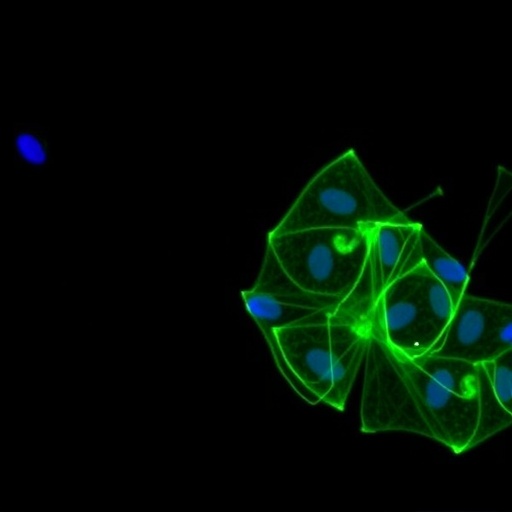
In a groundbreaking investigation into the immunological factors contributing to bronchopulmonary dysplasia (BPD), researchers have unveiled critical insights into the role of CD44+ monocytes in very premature infants. This work represents a significant stride in understanding the intricate mechanisms fueling hyperinflammation in BPD, a chronic lung disease that poses a substantial risk to neonatal health worldwide. By focusing on the functional dynamics and expression patterns of CD44 on monocytes, the study provides a nuanced view of how these immune cells may drive the pathological processes underlying BPD.
Bronchopulmonary dysplasia is known for its complex etiology, often emerging as a consequence of oxygen therapy and mechanical ventilation in preterm infants. While genetic predispositions have long been suspected to influence disease susceptibility, the specific immunological pathways involved have remained elusive. This latest research meticulously compares CD44 expression on monocytes between infants diagnosed with BPD and those without, shedding light on the cellular behaviors contributing to disease progression.
CD44, a cell surface glycoprotein involved in cell-cell interactions, migration, and immune responses, has previously been implicated in genetic susceptibility to BPD. However, its exact roles within the context of monocyte-mediated inflammation have not been clearly defined until now. By differentiating CD44+ monocytes from their CD44- counterparts, the authors aimed to decipher their functional contributions, particularly under conditions simulating hyperoxia—a known trigger for pulmonary damage in preterm neonates.
The study revealed that CD44+ monocytes are markedly increased in infants with BPD compared to non-BPD controls. More importantly, these CD44-expressing cells demonstrated heightened responsiveness to hyperoxic stress, characterized by an exaggerated release of pro-inflammatory cytokines and chemokines. Such a hyperinflammatory profile likely exacerbates lung injury, reinforcing the vicious cycle that underpins BPD pathogenesis.
To delve deeper, the researchers conducted functional assays to evaluate the activation states and migratory capabilities of CD44+ monocytes. Their findings suggest that these cells not only intensify local inflammatory responses but may also contribute to aberrant tissue remodeling by attracting and activating other immune components. This dual role highlights CD44+ monocytes as pivotal molecular orchestrators within the pulmonary microenvironment during neonatal lung injury.
The utilization of hyperoxic models in this study elegantly mimicked the clinical setting faced by very premature infants who often require supplemental oxygen, a double-edged sword in neonatal care. By reproducing these conditions in vitro, the investigation provided valuable insights into how hyperoxia selectively amplifies inflammatory signals in CD44+ monocytes, thus offering potential targets for therapeutic modulation.
Furthermore, the transcriptional profiling of CD44+ monocytes uncovered distinct gene expression patterns associated with inflammation, cell adhesion, and extracellular matrix interactions. These molecular signatures point toward a specialized phenotype that is primed to perpetuate tissue injury and fibrosis, hallmarks of severe BPD. Such detailed characterization enhances our understanding of the immunopathological landscape in affected infants.
Importantly, this research not only advances fundamental knowledge but also paves the way for innovative clinical approaches. Targeting CD44-mediated pathways may represent a promising strategy to mitigate inflammation-driven lung damage without compromising the necessary immune defense mechanisms in vulnerable preterm populations. Early intervention focused on these immune subpopulations could therefore transform outcomes for infants at risk.
The implications of these findings extend beyond neonatal medicine, as CD44+ monocytes have been implicated in various inflammatory and fibrotic diseases. This study’s integrative approach bridges gaps between developmental immunology and chronic lung disease research, illuminating potential common threads that govern immune dysregulation in diverse pathological contexts.
Moreover, understanding the triggers and sustainers of hyperinflammation in BPD opens new avenues for biomarker development. Elevated levels of CD44+ monocytes or associated cytokines could serve as early indicators of disease severity, guiding personalized treatment regimens and monitoring therapeutic efficacy with greater precision.
The data presented also raise intriguing questions about the interplay between genetic factors and environmental exposures such as oxygen supplementation. Dissecting how CD44 expression is regulated and modulated during early lung development may uncover vital clues about susceptibility and resilience mechanisms in neonatal immunity.
In light of the challenges faced by neonatologists worldwide, the identification of CD44+ monocytes as key mediators in hyperoxic lung injury offers a beacon of hope. It underscores the importance of harnessing immunological insights to refine clinical practices, reduce complications, and improve survival rates among the most fragile infants.
Ultimately, this pioneering work by He et al. dramatically enriches the landscape of neonatal inflammatory research, establishing a foundation for subsequent studies aimed at unraveling the complex crosstalk between immune cells and lung tissue in the context of prematurity. Continued exploration along these lines promises to yield breakthroughs that can transform patient care.
As this compelling narrative unfolds, it becomes clear that efforts to decode the cellular and molecular drivers of BPD will remain at the forefront of pediatric research. By shining a spotlight on CD44+ monocytes, scientists have illuminated a vital piece of the puzzle, inspiring a new era of targeted therapies and precision medicine tailored to the unique needs of tiny patients battling chronic lung disease.
In conclusion, the elucidation of CD44+ monocytes’ role in mediating hyperinflammatory responses in BPD represents a paradigm shift, revealing complex immunological mechanisms earlier obscured by the disease’s heterogeneity. Such insights empower researchers and clinicians alike to innovate more effective, less invasive interventions to combat this devastating condition, offering renewed hope to families affected by premature birth complications.
Cite Scienmag News
Barbara Leach. (May 3, 2026). CD44+ Monocytes Drive Inflammation in Preemie Lung Disease. Scienmag. https://scienmag.com/cd44-monocytes-drive-inflammation-in-preemie-lung-disease/
Barbara Leach. "CD44+ Monocytes Drive Inflammation in Preemie Lung Disease." Scienmag, 3 May 2026, https://scienmag.com/cd44-monocytes-drive-inflammation-in-preemie-lung-disease/. Accessed 4 September 2026.
Barbara Leach. "CD44+ Monocytes Drive Inflammation in Preemie Lung Disease." Scienmag. May 3, 2026. https://scienmag.com/cd44-monocytes-drive-inflammation-in-preemie-lung-disease/


