


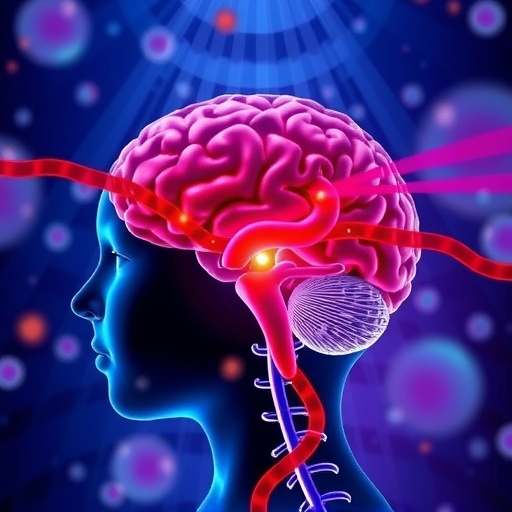
The blood–brain barrier (BBB) has long stood as a formidable obstacle in the treatment of central nervous system (CNS) tumors, especially within the delicate context of pediatric patients. Composed of tightly joined endothelial cells, pericytes, and an intricate basement membrane, this selective permeability barrier protects the brain from harmful substances circulating in the bloodstream. However, this protective shield also restricts the passage of therapeutic agents, hindering effective drug delivery to malignant cells residing within the CNS. Recent advances in immunotherapy and nanomedicine, however, hold promise to revolutionize treatment paradigms and dismantle these biological defenses with unprecedented precision and safety.
Pediatric CNS tumors represent a diverse group of neoplasms that remain a leading cause of cancer-related morbidity and mortality in children worldwide. Traditional treatment modalities, including surgery, radiation, and chemotherapy, face significant limitations not only in their efficacy but also due to the risk of long-term neurocognitive consequences and developmental impairments in young patients. The imperative to develop treatments that are both potent against tumors and minimally invasive to healthy brain tissue has catalyzed research into nanotechnology-driven delivery systems and innovative immunotherapeutic strategies that bypass or transiently modulate the BBB.
Central to overcoming the BBB challenge is an in-depth understanding of its cellular and molecular architecture. The endothelial cells that line cerebral capillaries are interconnected via tight junctions that restrict paracellular transport. Additionally, efflux transporters actively pump many pharmacological compounds back into the circulation. Pericytes and astrocytic end-feet contribute to the integrity and dynamic regulation of the barrier. These components act synergistically to maintain CNS homeostasis but inadvertently thwart the penetration of chemotherapeutic agents. Advanced imaging and molecular profiling techniques have elucidated subtle changes in BBB permeability in pediatric tumors, providing crucial insights into how this barrier might be selectively manipulated for therapeutic gain.
Immunotherapy, particularly immune checkpoint inhibitors and chimeric antigen receptor (CAR) T-cell therapies, has emerged as a beacon of hope. These approaches harness the patient’s immune system to recognize and destroy tumor cells. Yet, their efficacy in CNS malignancies is hampered not only by the BBB but also by the immunosuppressive microenvironment within the tumor. Researchers have begun exploring strategies to transiently modulate BBB permeability, such as focused ultrasound in conjunction with microbubbles, to facilitate immune cell infiltration and enhance drug delivery. This technique leverages mechanical forces to temporarily disrupt tight junctions without causing permanent tissue damage, thus allowing immunotherapeutic agents to reach otherwise inaccessible tumor sites.
Nanomedicine offers a complementary and synergistic approach to overcoming BBB constraints. Nanoparticles can be engineered to evade efflux mechanisms and exploit receptor-mediated transcytosis to cross the BBB. These nanoscale carriers can encapsulate chemotherapeutic drugs, genes, or immune modulators, protecting them from degradation and enhancing their bioavailability within the CNS. Multifunctional nanoparticles can also be designed to recognize tumor-specific markers, ensuring targeted release and minimizing collateral toxicity to healthy brain cells. In pediatric patients, where preserving cognitive function is paramount, such precision is particularly desirable.
Emerging nanoplatforms utilize surface modifications with ligands that target endogenous BBB transporters such as transferrin, insulin, and low-density lipoprotein receptors. These ligands guide the nanoparticles across endothelial cells via receptor-mediated pathways. Additionally, stimuli-responsive nanoparticles that release their payload in response to pH changes, enzymatic activity, or external triggers like magnetic fields are under rigorous investigation. These technologies allow for spatially and temporally controlled drug delivery, which is critical in combating heterogeneous tumor populations and preventing resistance mechanisms.
The integration of immunotherapy with nanomedicine is a frontier of immense promise. Nanocarriers can deliver immune adjuvants or checkpoint inhibitors directly to the tumor microenvironment, potentiating systemic immune responses with localized effects. Furthermore, nanoparticles engineered to carry tumor antigens can stimulate more robust and specific T-cell activation. In pediatric CNS tumors, where immune evasion mechanisms are sophisticated and multifactorial, these combinatorial strategies aim to recalibrate the immune milieu in favor of tumor eradication while limiting autoimmune risks.
Clinical translation of these advanced therapies faces considerable challenges, including stringent safety requirements, blood–brain barrier heterogeneity among patients, and regulatory hurdles. Preclinical models that recapitulate the intricacies of the pediatric BBB and tumor microenvironment are crucial for accurately predicting therapeutic outcomes. Recent advances in organ-on-a-chip technologies and patient-derived xenografts provide promising platforms to evaluate BBB penetration and immune interactions in a highly controlled setting. These models are instrumental in fine-tuning nanoparticle formulations and dosing regimens tailored for pediatric cohorts.
Ethical considerations are paramount when developing interventions for children, who may be particularly vulnerable to off-target effects and long-term sequelae. Strategies for monitoring and mitigating potential neurotoxicity, immunogenicity, and unintended BBB disruption are integral to clinical trial design. Adaptive trial protocols that incorporate real-time biomarker assessment and imaging feedback can facilitate personalized adjustments and enhance safety profiles.
Beyond the laboratory, the utilization of advanced computational modeling and artificial intelligence is expanding the capacity to predict BBB permeability and therapeutic efficacy based on patient-specific molecular and radiographic data. Machine learning algorithms can analyze vast datasets, identifying patterns and optimizing nanoparticle design parameters to maximize BBB translocation and tumor targeting. This digital convergence accelerates discovery while reducing the reliance on extensive animal experimentation, thereby expediting the path to clinical application.
The promise of immunotherapy and nanomedicine for pediatric CNS tumors transcends mere delivery across the BBB; it heralds a shift toward precision neuro-oncology. By integrating molecular tumor profiling with cutting-edge delivery systems, clinicians can tailor interventions to the unique pathological and genetic landscapes of each tumor. This personalization enhances the likelihood of durable remission and reduces the burden of treatment-related morbidities, ultimately improving quality of life for young patients and their families.
Looking forward, collaborative networks spanning neuroscience, immunology, materials science, and pediatric oncology are vital to advancing this interdisciplinary frontier. Funding initiatives and regulatory frameworks must incentivize innovation while ensuring rigorous evaluation of safety and efficacy. As these fields converge, the potential to overcome one of medicine’s most intractable barriers—the blood–brain barrier—becomes increasingly attainable, reshaping the therapeutic landscape for some of the most vulnerable patients.
In sum, the emerging confluence of immunotherapeutic modalities and nanotechnology-driven delivery systems represents a paradigm shift in addressing the complex challenge of drug delivery across the BBB in pediatric CNS tumors. The marriage of these cutting-edge approaches promises not only to breach the physical barricades of the brain but also to engage the body’s own defense mechanisms in a concerted attack against cancerous cells. While hurdles remain, the trajectory of current research inspires cautious optimism for transformative breakthroughs on the horizon.
As this burgeoning field evolves, ongoing research must also address scalability and accessibility to ensure that these innovations reach diverse populations globally. Technological sophistication must be balanced with cost-effectiveness and ease of clinical implementation to democratize the benefits of these advanced therapies. Only through such holistic strategies can the promise of overcoming the blood–brain barrier translate into tangible improvements in survival and quality of life for children afflicted by CNS malignancies worldwide.
Cite Scienmag News
Nathaniel Bowman. (August 19, 2025). Breaking the Blood–Brain Barrier in Pediatric CNS Tumors. Scienmag. https://scienmag.com/breaking-the-blood-brain-barrier-in-pediatric-cns-tumors/
Nathaniel Bowman. "Breaking the Blood–Brain Barrier in Pediatric CNS Tumors." Scienmag, 19 August 2025, https://scienmag.com/breaking-the-blood-brain-barrier-in-pediatric-cns-tumors/. Accessed 4 September 2026.
Nathaniel Bowman. "Breaking the Blood–Brain Barrier in Pediatric CNS Tumors." Scienmag. August 19, 2025. https://scienmag.com/breaking-the-blood-brain-barrier-in-pediatric-cns-tumors/


