


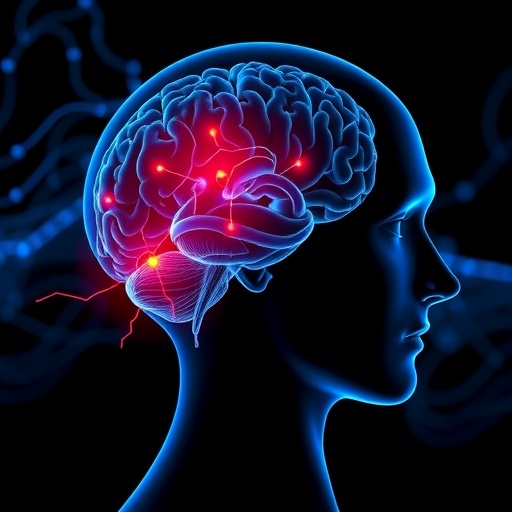
In a groundbreaking study published in Nature Communications, researchers have uncovered a previously unrecognized neural circuit linking the primary auditory cortex and the anterior cingulate cortex that plays a critical role in the modulation of visceral pain through cross-modal interactions. This discovery marks a significant advancement in our understanding of how sensory information from different modalities can influence the perception and intensity of internal bodily pain, shedding light on potential new avenues for therapeutic intervention in chronic pain disorders.
Visceral pain, which arises from the internal organs and often lacks the clear anatomical localization characteristic of somatic pain, presents a considerable clinical challenge. Conventional approaches to managing visceral pain have been hampered by its complex and poorly understood neural underpinnings. The current research breaks new ground by demonstrating that auditory stimuli can impact visceral pain perception through a dedicated circuit within the brain, thereby establishing a novel mechanism of cross-modal sensory integration.
The primary auditory cortex (A1) has long been recognized as a critical hub for processing sound information. However, the new findings reveal that A1 is not merely a passive processor of auditory inputs but actively participates in the modulation of pain signals originating from visceral organs. This interaction is mediated by the anterior cingulate cortex (ACC), a region implicated in the affective dimension of pain, emotional regulation, and cognitive control. The study elucidates the bidirectional connectivity between A1 and ACC, illustrating how auditory cortical activity can influence visceral pain perception.
Methodologically, the research team employed a sophisticated combination of optogenetics, in vivo calcium imaging, and electrophysiological recordings in rodent models to dissect the functional connectivity between A1 and ACC. Through selective activation and inhibition of neuronal populations, they demonstrated that modulating activity in the auditory cortex significantly altered the neural response to visceral nociceptive stimuli within the ACC. These experimental manipulations correlated with behavioral changes in pain sensitivity, highlighting a causal relationship.
Furthermore, tracing studies using viral-mediated transsynaptic labeling techniques mapped the anatomical pathways from A1 to ACC, uncovering a distinct subset of excitatory neurons responsible for transmitting auditory information that modulates pain circuits. The specificity of this pathway indicates a highly specialized form of sensory cross-talk that goes beyond generalized brainstem mechanisms traditionally associated with pain modulation.
This newly characterized circuit provides compelling evidence that sensory inputs external to the body can exert profound influence on the subjective experience of internal pain. The concept of cross-modal visceral pain modulation opens exciting possibilities for novel non-pharmacological interventions. For example, controlled auditory stimuli could be harnessed to alleviate chronic visceral pain syndromes such as irritable bowel syndrome or interstitial cystitis, conditions that are notoriously difficult to treat.
The functional implications extend to the ACC as well, known for integrating emotional and cognitive aspects of pain. The documented modulation by auditory inputs suggests that environmental context and sensory background noise could modulate the affective experience of visceral pain, potentially explaining why pain intensity fluctuates in dynamic settings. This insight aligns with clinical observations where patients report variations in pain severity correlated with external auditory environments.
Importantly, the study delves into the synaptic mechanisms underlying this modulation. Neurophysiological analysis revealed that auditory activation leads to changes in synaptic efficacy within ACC circuits that process nociceptive signals. Specifically, long-term potentiation and depression phenomena were modulated by auditory inputs, suggesting a cellular substrate for the plasticity of pain perception influenced by cross-modal sensory experiences.
The implications for chronic pain research are profound, as maladaptive plasticity within brain pain networks underlies many persistent pain conditions. Identifying a controllable sensory pathway capable of resetting or modulating these neural circuits could inspire innovative treatments that leverage sensory enrichment or neuromodulatory techniques such as transcranial magnetic stimulation targeted to auditory and cingulate regions.
Moreover, these findings prompt a re-examination of the traditional sensory modality compartmentalization in neuroscience. The brain demonstrates a remarkable capacity for integrating multisensory information to construct a coherent perceptual experience. By revealing that auditory input can modulate internal bodily sensations like visceral pain, this work expands the scope of sensory integration and challenges researchers to rethink sensory processing within the context of homeostatic regulation.
The authors also discuss potential limitations and future directions, emphasizing the need to translate these findings from animal models to human clinical research. Functional neuroimaging studies and behavioral paradigms could validate the relevance of this circuit in healthy individuals and patient populations suffering from visceral pain. Furthermore, exploring other sensory modalities and their interactions could uncover additional cross-modal pathways contributing to pain modulation.
In conclusion, the identification of a primary auditory cortex-anterior cingulate cortex circuit underlying cross-modal visceral pain modulation represents a paradigm shift in pain neuroscience. By demonstrating how auditory processing influences the affective and sensory dimensions of visceral pain, this research paves the way for new therapeutic strategies grounded in sensory neuroscience and neural circuit modulation. The scope for clinical application is vast, with potential benefits for millions suffering from chronic visceral pain disorders worldwide.
This discovery not only deepens our mechanistic understanding of pain but also highlights the brain’s integrative complexity, where sensory experiences interplay to shape our perception of the internal milieu. As research advances, the elucidation of such cross-modal circuits may redefine pain management approaches and enhance quality of life through innovative, targeted neuromodulatory therapies.
Cite Scienmag News
Cassandra Pierce. (February 4, 2026). Brain Circuit Links Sound to Visceral Pain Control. Scienmag. https://scienmag.com/brain-circuit-links-sound-to-visceral-pain-control/
Cassandra Pierce. "Brain Circuit Links Sound to Visceral Pain Control." Scienmag, 4 February 2026, https://scienmag.com/brain-circuit-links-sound-to-visceral-pain-control/. Accessed 4 September 2026.
Cassandra Pierce. "Brain Circuit Links Sound to Visceral Pain Control." Scienmag. February 4, 2026. https://scienmag.com/brain-circuit-links-sound-to-visceral-pain-control/


