


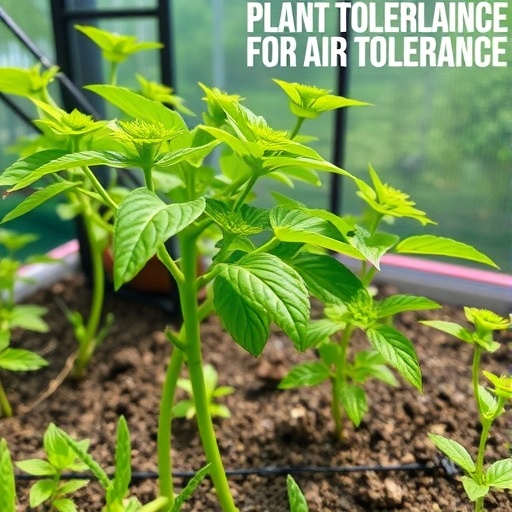
In a groundbreaking study that connects environmental science and urban planning, researchers have conducted an extensive evaluation of plant species to analyze their tolerance to air pollution in both industrial and residential areas of West Tamil Nadu, India. This crucial research highlights the increasing impact of urbanization and industrialization on air quality and emphasizes the important role of vegetation in mitigating pollution effects. With urban areas experiencing significant changes, the examination of plant species that can withstand air pollution becomes paramount for sustaining environmental health.
As urban centers expand, they often find themselves grappling with deteriorating air quality. Emissions from vehicles, factories, and other industrial activities contribute heavily to atmospheric contamination. This study digs deep into understanding which plant species possess the ability to thrive amid such pollution, offering potential solutions to improve urban air quality. The air pollution tolerance index (APTI) is a decisive factor in evaluating these species, ultimately serving as a valuable tool for environmental planners and scientists alike.
The research observed various plant species across urban settings, aiming to identify their capacities to absorb pollutants. By measuring parameters such as chlorophyll content, leaf area, and other physiological traits, the researchers were able to quantify how these plants respond to urban pollution stressors. The insights gathered from these observations provide essential data that could be pivotal in urban greening initiatives. Such initiatives not only enhance aesthetic value but also improve the overall health and quality of life for residents.
In the industrial regions of West Tamil Nadu, the study revealed a concerning correlation between proximity to factories and the detrimental health of surrounding vegetation. The findings underscore that certain species exhibit a high degree of resilience against toxic substances commonly present in industrial emissions. This resilience positions these species as candidates for urban planting, making them critical players in restoring ecological balance and improving air quality.
On the other hand, the study also identified species that struggled with air pollution. The physiological assessments indicated that these plants exhibited reduced chlorophyll content, which is integral for photosynthesis and overall health. Understanding the limitations of these species allows researchers and urban planners to make informed decisions about which plants should be promoted or avoided in urban landscaping efforts.
Moreover, the research spanned various climatic and soil conditions, which significantly influences plant behavior and adaptability. By taking these variables into account, the researchers were able to create a comprehensive profile of each species, thus enhancing the reliability of the air pollution tolerance index. This rigor ensures that the findings can be generalized and applied across different urban settings, leading to widespread environmental improvements.
As cities continue to grow and pollution levels escalate, the development of green infrastructure is becoming increasingly relevant. The findings from this study foster the dialogue about integrating more vegetation into urban landscapes. Trees, shrubs, and ground cover plants not only beautify spaces but also have significant benefits, such as improving air quality, enhancing biodiversity, and providing habitat for wildlife.
A vital aspect of the research is the community engagement element. By identifying species that can purify the air, the study encourages local communities to participate in planting initiatives. Involving residents fosters a sense of ownership over their environment and empowers them to take action against pollution. Community gardens and urban forests can serve as educational platforms, raising awareness about air quality issues and how nature can help mitigate them.
Furthermore, the implications extend beyond immediate urban environments. The research advocates for a paradigm shift in how we approach urban design and development. It promotes the concept of ‘green cities’ where nature and urban spaces coexist harmoniously. This concept presents a sustainable solution to some of the pressing challenges faced in rapidly urbanizing regions, thereby ensuring the longevity of both human and ecological health.
As public awareness of air quality issues grows, so too does the demand for actionable solutions. This study fills a critical gap in the literature by not only establishing the relationship between plant species and air pollution tolerance but also providing recommendations for policymakers and urban planners in West Tamil Nadu and beyond. As cities worldwide search for effective strategies to combat air pollution, this research serves as a roadmap.
In conclusion, this extensive evaluation of plant species for air pollution tolerance in West Tamil Nadu is a timely contribution to environmental science. It highlights the importance of integrating ecological knowledge into urban planning and emphasizes the need for resilient plant species in combatting urban pollution. By working together, scientists, urban planners, and communities can create greener, healthier urban environments that benefit both current and future generations.
This study not only explores the relationship between vegetation and air pollution but also provokes a broader discussion about sustainability and environmental responsibility in urban areas. As air quality continues to be a global concern, the findings of this research are likely to inform future initiatives, policies, and research aimed at fostering sustainable urban ecosystems.
Ultimately, embracing this knowledge can empower cities to achieve cleaner air and a healthier environment, showcasing the invaluable role of plants in urban landscapes. The journey towards reducing air pollution will undoubtedly benefit from insights like those presented in this study – a beacon of hope for greener, thriving urban futures.
Cite Scienmag News
Russell Cooper. (November 10, 2025). Assessing Plant Tolerance to Air Pollution in Tamil Nadu. Scienmag. https://scienmag.com/assessing-plant-tolerance-to-air-pollution-in-tamil-nadu/
Russell Cooper. "Assessing Plant Tolerance to Air Pollution in Tamil Nadu." Scienmag, 10 November 2025, https://scienmag.com/assessing-plant-tolerance-to-air-pollution-in-tamil-nadu/. Accessed 6 September 2026.
Russell Cooper. "Assessing Plant Tolerance to Air Pollution in Tamil Nadu." Scienmag. November 10, 2025. https://scienmag.com/assessing-plant-tolerance-to-air-pollution-in-tamil-nadu/


