


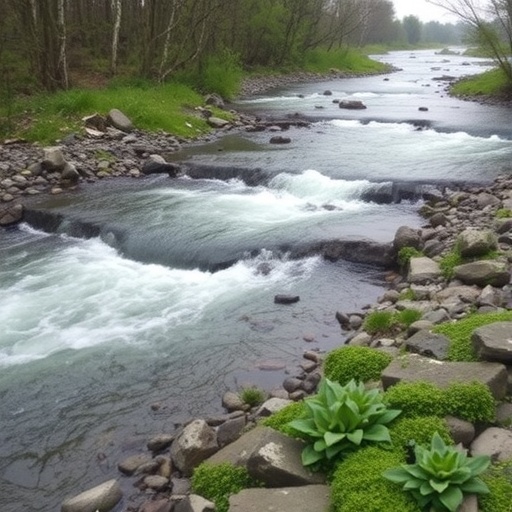
In a world where environmental concerns are increasingly pressing, a recent study shines a spotlight on the alarming levels of heavy metal pollution affecting the Musi River Estuary in Indonesia. Conducted by a team of researchers, this assessment highlights the risk associated with heavy metals found not only in the water but also in the sediment and fish of the region. As industrialization and urbanization progress across Southeast Asia, the implications of such pollution are far-reaching, impacting not only the health of aquatic ecosystems but also posing significant risks to human health.
Heavy metals, including lead, cadmium, mercury, and arsenic, have long been recognized for their toxic properties. These elements can accumulate in biological tissues, posing risks at various trophic levels. The study in question meticulously examines the concentrations of these heavy metals within the Musi River Estuary’s ecosystem, emphasizing the sources of contamination and the potential consequences for both wildlife and local populations. The Musi River, a lifeline for many communities, is under siege from industrial effluents, urban runoff, and agricultural practices that introduce these hazardous substances into the aquatic environment.
The methods employed in this study reflect a comprehensive approach to understanding the extent of pollution in this vital waterway. Water samples were collected from various points along the Musi River, alongside sediment samples from the riverbed and fish species native to the region. By employing standard analytical techniques, the researchers measured the concentrations of heavy metals, providing a clear picture of the contamination levels present in the environment. The multi-faceted assessment is crucial, as it offers insights into the interconnected nature of these ecosystems and the various pathways through which heavy metals can enter and affect both aquatic life and local communities.
The findings revealed a concerning trend: elevated levels of heavy metals were prevalent across all three matrices—water, sediment, and fish. The results indicated that water quality in the Musi River Estuary is being compromised due to anthropogenic activities. Notably, the sediment served as a significant sink for these metals, whereby they accumulated over time, posing long-term risks to the ecosystem. Fish samples, particularly those species consumed by local inhabitants, exhibited alarming concentrations of heavy metals, raising urgent public health concerns regarding dietary exposure.
With a growing population relying on the Musi River for sustenance, the implications of these findings are dire. The study highlights that local residents, many of whom depend on fish as a primary source of protein, may be unknowingly exposing themselves to harmful levels of these metals. Chronic exposure to heavy metals can result in various health issues, including neurotoxicity, kidney damage, and increased cancer risk. This study serves as a clarion call, urging policymakers and stakeholders to take immediate action to mitigate pollution sources.
Moreover, the research underscores the importance of regular monitoring and stringent regulatory frameworks to protect water bodies from similar fates. The combined efforts of government agencies, environmental organizations, and local communities will be essential to implement initiatives aimed at reducing pollution. Enhanced wastewater treatment processes, better waste management practices, and public education campaigns can significantly mitigate the risks associated with heavy metal contamination in the Musi River and beyond.
The implications extend beyond just local communities; they reflect a global crisis that resonates with developing nations facing rapid industrialization. It is crucial to replicate such studies in other regions to discern patterns of pollution and develop targeted strategies for amelioration. The study of heavy metal contamination, particularly within critical ecosystems like the Musi River Estuary, provides invaluable data to confront these environmental challenges globally.
In conclusion, the research conducted by Diansyah and colleagues represents a vital contribution to understanding the toxic impacts of heavy metal pollution in the Musi River Estuary. As the world grapples with the consequences of human activities on our environment, this study stands as a reminder of the delicate balance we must maintain. Protecting our rivers and ensuring the health of ecosystems is inextricably linked to the well-being of future generations. Awareness, action, and a commitment to sustainable practices are imperative as we work toward a healthier planet.
This assessment serves not only as an eye-opener regarding the current state of pollution in Indonesia but also underscores the urgent need for global solidarity in addressing environmental health risks. Through continued research and community engagement, we can foster an environment where ecosystems thrive, benefitting both wildlife and human populations alike.
In summary, the battle against heavy metal pollution should be a collective priority. It requires concerted efforts from all sectors of society to safeguard our natural resources and health. The Musi River Estuary may serve as a case study for nations worldwide to recognize the importance of sustainable practices and the dire consequences of neglecting our environmental responsibilities.
Diansyah, G., Hermansyah, Rohendi, D. et al. Risk assessment of heavy metal pollution in water, sediment, and fish from the Musi River Estuary, Indonesia. Environ Monit Assess 197, 1051 (2025). https://doi.org/10.1007/s10661-025-14501-9
Cite Scienmag News
Gavin Prescott. (August 27, 2025). Assessing Heavy Metal Pollution in Musi River Ecosystem. Scienmag. https://scienmag.com/assessing-heavy-metal-pollution-in-musi-river-ecosystem/
Gavin Prescott. "Assessing Heavy Metal Pollution in Musi River Ecosystem." Scienmag, 27 August 2025, https://scienmag.com/assessing-heavy-metal-pollution-in-musi-river-ecosystem/. Accessed 3 September 2026.
Gavin Prescott. "Assessing Heavy Metal Pollution in Musi River Ecosystem." Scienmag. August 27, 2025. https://scienmag.com/assessing-heavy-metal-pollution-in-musi-river-ecosystem/


