


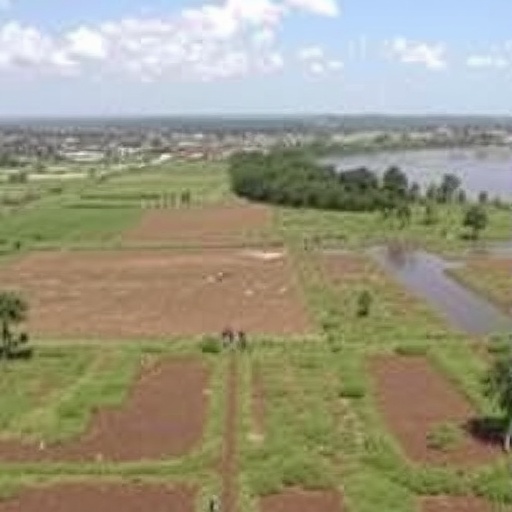
In recent years, the conservation of biodiversity has emerged as one of the most pressing issues facing our planet. A new study sheds light on the conservation status of key protected areas located in the critical forest-savannah transition zone of Ghana. This region, characterized by a unique blend of forest and savannah ecosystems, serves as a vital habitat for a multitude of flora and fauna. The significance of this area cannot be overstated, as it plays a crucial role in sustaining rich biodiversity and providing essential ecosystem services.
The research, authored by Amankwah, A.A., Porembski, S., Kouassi, E.K., and others, delves deeply into the conservation dynamics of these protected areas, analyzing them through the lenses of the IUCN Red List criteria and genetic heat indices. These metrics are instrumental in assessing the vulnerability and ecological integrity of species residing within these habitats. The findings highlight an alarming trend of biodiversity loss, underscoring the urgency for enhanced conservation practices and policy measures in these areas.
One of the core methodologies employed in this study is the use of the IUCN Red List. This comprehensive database categorizes species according to their extinction risk, thereby helping conservationists identify those that are most threatened. By applying this framework to the forest-savannah transition zone, the researchers were able to ascertain the status of key species that inhabit these ecosystems. The results revealed not just the declining populations of several species but also an alarming number of taxa classified as critically endangered, emphasizing the need for immediate intervention.
In tandem with the Red List analysis, the researchers explored genetic heat indices as a measure of ecological stress. The concept of genetic heat refers to the thermal tolerance and adaptability of species in response to climate change and habitat modification. The study demonstrated that many species within these protected areas were experiencing increased genetic stress, which can lead to diminished reproductive capabilities and eventually, extinction. This genetic perspective adds a vital layer to our understanding of biodiversity conservation, revealing how climate change impacts species at a genetic level.
As climate change continues to accelerate, the threats faced by biodiversity are expected to intensify. Thus, the implications of this research are especially pertinent. The forest-savannah transition zone is not just a diverse ecological landscape but also a community of human inhabitants who rely on these ecosystems for their livelihoods. The degradation of these areas threatens not only wildlife but also local communities. The intersection of conservation and community needs presents a complex challenge that must be addressed through integrated approaches.
Moreover, the study outlines specific conservation strategies that could mitigate the observed declines. These strategies include habitat restoration, the establishment of wildlife corridors, and enhanced community engagement in conservation efforts. Community-based conservation practices have shown tremendous potential in various contexts, fostering local stewardship and sustainable resource management. Integrating community voices and traditional ecological knowledge could empower local populations to take an active role in preserving their natural heritage.
The research further emphasizes the importance of international collaboration in conservation efforts. The forest-savannah transition zone is not only a national treasure but also part of a larger global ecosystem. Collaborative efforts among countries to protect transboundary species and habitats are essential for effective conservation. Joint initiatives can bolster funding, share best practices, and promote regional strategies that account for the interconnectedness of biodiversity.
In conclusion, this study serves as a clarion call for urgent action in the forest-savannah transition zone of Ghana. The findings reiterate the fragility of ecosystems in the face of anthropogenic pressures. Without decisive and immediate conservation strategies, we risk losing invaluable species and habitats that are integral to our planet’s health. The time to act is now, as the future of biodiversity hangs in the balance. It is imperative that each of us, as stewards of the earth, recognizes our role in preserving the rich tapestry of life on our planet for generations to come.
This study not only informs the scientific community but also aims to spur broader public engagement and policy action. By raising awareness about the conservation status of vital ecosystems, we can mobilize resources and advocacy for effective change. The messages embedded in this research can resonate with conservationists, policymakers, and the general public alike, inspiring collective efforts to safeguard our natural world.
Amankwah, A.A., Porembski, S., Kouassi, E.K. et al. Conservation status of key protected areas in the forest-savannah transition zone of Ghana based on red list and genetic heat indices.
Discov. For. 1, 48 (2025). https://doi.org/10.1007/s44415-025-00051-y
Cite Scienmag News
Margaret Porter. (November 10, 2025). Assessing Conservation Status in Ghana’s Transition Zone. Scienmag. https://scienmag.com/assessing-conservation-status-in-ghanas-transition-zone/
Margaret Porter. "Assessing Conservation Status in Ghana’s Transition Zone." Scienmag, 10 November 2025, https://scienmag.com/assessing-conservation-status-in-ghanas-transition-zone/. Accessed 3 September 2026.
Margaret Porter. "Assessing Conservation Status in Ghana’s Transition Zone." Scienmag. November 10, 2025. https://scienmag.com/assessing-conservation-status-in-ghanas-transition-zone/


