


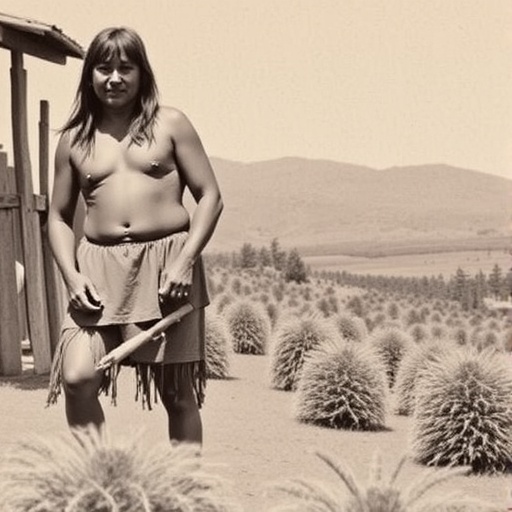
In the expansive and intricate tapestry of human history, the nutritional habits of ancient civilizations often serve as a focal point for understanding the interplay between environment and cultural evolution. Recent research helmed by Schwarcz, Goldberg-Schroeder, and Walker has brought to light pivotal revelations regarding the protein sources in the diet of Southern California natives spanning over 8,000 years. This comprehensive examination delves into the varying food sources that have sustained these communities, illustrating not only their dietary choices but also broader ecological and social implications.
Beginning with an archaeological perspective, the study acknowledges the geological and environmental shifts that have shaped Southern California over millennia. The region, characterized by its rich biodiversity and varied climates, offered a plethora of resources. Through extensive archaeological analysis, researchers have unearthed a diverse array of protein sources utilized by the indigenous populations. Insights derived from ancient hearth sites, refuse accumulations, and botanical remains provide clarity on dietary patterns that were both adaptive and sustainable.
The methodology employed in this research is noteworthy. A combination of advanced analytical techniques, including stable isotope analysis and carbon dating, allows for an unprecedented understanding of ancient diets. By studying the isotopic signatures of ancient bones and artifacts, researchers can ascertain the types of proteins consumed and the ecological contexts in which these food sources thrived. Such methodologies not only reveal dietary habits but also the socio-economic structures underpinning these communities.
An intriguing aspect of the research is the stark evolution of protein sources over time. Initially, an abundance of marine resources such as fish and shellfish sustained coastal communities, while inland groups relied on terrestrial game and plant sources. However,随着气候的变化与人类的适应,饮食中所占比例亦逐渐转变。这一转变不仅反映了环境的变化,也揭示了原住民如何在资源有限的条件中进行选择和策略调整,以确保生存和繁衍。
Analysis of dietary shifts also sheds light on the role of agriculture in this ancient society. As domestication of certain crops began to take hold, perhaps around 3,000 years ago, the nutritional landscape began its transformation. Evidence suggests that agricultural practices complemented traditional hunting and gathering, leading to a more diverse and stable food supply. The interplay between wild protein sources and cultivated crops highlights the adaptive strategies of these communities as they navigated the complexities of climate change and resource availability.
Moreover, the social dimensions of these dietary choices cannot be overlooked. Within the dynamics of kinship, trade, and communal sharing, the consumption of certain protein sources likely held deeper cultural significance. The research posits that these dietary practices were not merely about sustenance; they underscored identity, tradition, and social cohesion, fundamental components to the survival of these networks. The communal aspect of food also acted as a medium for storytelling, passing down knowledge from generation to generation, further entrenching cultural practices centered around food sourcing.
Intriguingly, the findings of this research resonate with contemporary discussions about sustainability and food security. By analyzing how these indigenous populations adapted their diets in response to changing environments, modern societies can glean valuable lessons on resource management and environmental conservation. This research emphasizes resilience—the capacity to adjust dietary practices in the face of ecological adversity, a crucial trait in today’s rapidly changing world.
Furthermore, the implications extend beyond mere historical reflection; they challenge contemporary narratives about what constitutes a balanced diet. Uncovering the variations in protein sources illuminates the diversity inherent in traditional diets, which is often overlooked in modern dietary guidelines that emphasize homogenized food sources. Embracing the complexity and variability of ancient diets can inform better practices and public health recommendations today.
Additionally, the collaboration between various fields—archeology, anthropology, and nutrition science—is pivotal in driving this research forward. By integrating these disciplines, researchers have fostered an enriched understanding of a topic that holds relevance across various domains. Such interdisciplinary approaches not only enhance the investigation but also invigorate discussions around nutrition, cultural heritage, and environmental stewardship.
In conclusion, the research conducted by Schwarcz, Goldberg-Schroeder, and Walker champions the interconnectedness of environment, culture, and nutrition over the millennia. The insights gleaned from the ancient diets of Southern California natives illuminate a rich history characterized by adaptability and resilience. As societies today grapple with climate change, food security, and sustainable practices, revisiting and learning from these ancient diets could provide vital pathways toward a more sustainable future.
In essence, this exploration is not merely about the past; it is a call to action for sustainable food practices that honor cultural identities and respect environmental limitations. The legacies of these indigenous protein sources and dietary adaptations underscore the importance of preserving food ways that have historically sustained human societies. As we move forward, the reverberations of these findings will persist not just in academia, but in the broader conversation surrounding nutrition, sustainability, and cultural heritage.
Cite Scienmag News
Daisy Hatcher. (November 19, 2025). Ancient Southern California Natives’ Protein Source Diet Revealed. Scienmag. https://scienmag.com/ancient-southern-california-natives-protein-source-diet-revealed/
Daisy Hatcher. "Ancient Southern California Natives’ Protein Source Diet Revealed." Scienmag, 19 November 2025, https://scienmag.com/ancient-southern-california-natives-protein-source-diet-revealed/. Accessed 3 September 2026.
Daisy Hatcher. "Ancient Southern California Natives’ Protein Source Diet Revealed." Scienmag. November 19, 2025. https://scienmag.com/ancient-southern-california-natives-protein-source-diet-revealed/


