


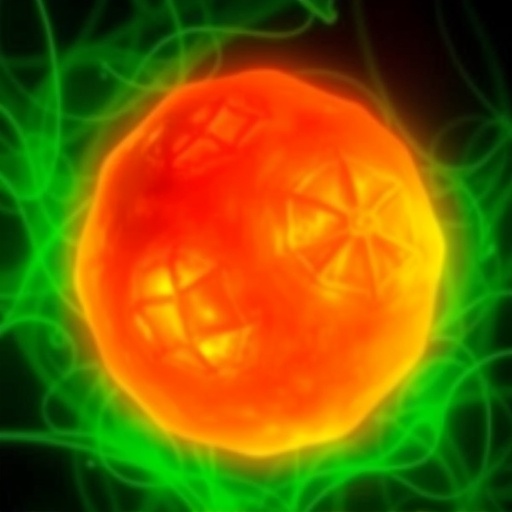
A groundbreaking study from Duke University School of Medicine is reshaping our understanding of pancreatic function and offering promising new avenues in the fight against type 2 diabetes. For decades, pancreatic alpha cells were believed to have a singular role: producing glucagon, a hormone critical for elevating blood sugar levels during fasting or physical activity. However, new findings published on September 19, 2025, in Science Advances reveal that these cells exhibit remarkable hormonal versatility, also generating GLP-1 (glucagon-like peptide-1), a potent incretin hormone that significantly enhances insulin secretion and glucose regulation.
This discovery upends the traditional dogma that GLP-1 is exclusively produced in the gut and highlights a sophisticated endocrine cross-talk within the pancreas itself. GLP-1 has been extensively studied and pharmacologically harnessed by drugs such as Ozempic and Mounjaro, which mimic its function to improve glycemic control in diabetic patients. Until now, the idea that alpha cells are an endogenous source of bioactive GLP-1 capable of modulating insulin release was largely unexplored.
The Duke research team, led by Dr. Jonathan Campbell, employed advanced mass spectrometry techniques to dissect the hormonal milieu of human pancreatic tissue. This high-specificity assay allowed them to differentiate the bioactive form of GLP-1—responsible for stimulating insulin secretion—from inactive peptide fragments that often confound measurements. Their meticulous analysis revealed that alpha cells produce surprisingly high levels of active GLP-1, far exceeding previous estimates.
Complementing the human data, parallel studies with murine models showed compelling evidence of functional flexibility within alpha cells. When glucagon production was inhibited, contrary to expectations, insulin secretion did not falter. Instead, the alpha cells appeared to compensate by upregulating PC1/3 enzyme activity, which processes proglucagon into bioactive GLP-1. This adaptive hormone switching not only stabilized glucose levels but enhanced insulin release, suggesting GLP-1’s superior efficacy over glucagon in stimulating beta cells.
Further genetic manipulation experiments confirmed the crucial balance maintained by the prohormone convertases PC1/3 and PC2. While PC2 predominantly drives glucagon synthesis, PC1/3 cleaves proglucagon peptides into GLP-1. Blocking PC2 shifted the enzymatic activity toward PC1/3, intensifying GLP-1 production and improving glucose tolerance. However, eliminating both enzymes disrupted insulin secretion and caused hyperglycemia, underscoring the indispensable role of GLP-1 sourced directly from pancreatic alpha cells.
These insights recalibrate how we conceive the endocrine interplay within pancreatic islets and open new horizons for diabetes management. Type 2 diabetes is characterized by impaired beta cell function and insufficient insulin output, often exacerbated by reduced incretin response. Harnessing the intrinsic capacity of alpha cells to generate GLP-1 may represent a more physiological, endogenous means to potentiate insulin secretion without relying solely on exogenous drugs.
Moreover, metabolic stressors such as a high-fat diet appear to modestly stimulate GLP-1 production within alpha cells, indicating an intrinsic adaptive mechanism that could be therapeutically amplified. Unlocking targeted strategies to safely boost alpha cell-derived GLP-1 could transform current treatment paradigms, shifting from external hormone mimetics to stimulating the body’s own regulatory systems.
Dr. Campbell emphasizes the broader physiological significance of this “built-in backup plan,” where the pancreas dynamically modulates its hormonal outputs to maintain glucose homeostasis. This unprecedented plasticity in alpha cells—switching from glucagon to GLP-1 production under stress—reflects a sophisticated regulatory network fine-tuned to preserve energy balance and prevent metabolic dysregulation.
The implications for pharmacology and endocrinology are profound. Current GLP-1 receptor agonists, though effective, involve complex dosing regimens and potential side effects. Enhancing endogenous GLP-1 secretion may offer improved safety profiles and sustained glucose control. Additionally, understanding the molecular drivers of enzyme switching between PC1/3 and PC2 could highlight novel drug targets, enabling precise modulation of proglucagon processing.
The Duke study also underscores the importance of state-of-the-art analytical techniques in hormone research. The novel application of selective mass spectrometry for bioactive GLP-1 detection cleared longstanding challenges in measuring functional hormone levels, which historically hindered progress in the field. This technological leap may pave the way for more accurate diagnostics and personalized treatment monitoring in diabetes care.
As the scientific community digests these findings, ongoing research is poised to investigate how systemic and local factors influence alpha cell phenotypic plasticity. Exploring nutrient signals, inflammatory mediators, and genetic regulators that dictate enzyme expression patterns will be vital to translate these discoveries into clinical applications.
In sum, the identification of pancreatic alpha cells as dual-function hormone producers heralds a paradigm shift in metabolic research. It enriches our understanding of islet biology and ignites hope for innovative, more naturalistic therapies for type 2 diabetes. With further exploration and validation, manipulating the alpha cell’s enzymatic machinery might soon become a cornerstone of metabolic disease management, leveraging the pancreas’s inherent adaptability for therapeutic gain.
News Publication Date: 19-Sep-2025
Web References:
DOI: 10.1126/sciadv.ady8048
Cite Scienmag News
Ophelia Keating. (September 19, 2025). Alpha Cells Double as Hidden GLP-1 Producers, Reveals New Research. Scienmag. https://scienmag.com/alpha-cells-double-as-hidden-glp-1-producers-reveals-new-research/
Ophelia Keating. "Alpha Cells Double as Hidden GLP-1 Producers, Reveals New Research." Scienmag, 19 September 2025, https://scienmag.com/alpha-cells-double-as-hidden-glp-1-producers-reveals-new-research/. Accessed 3 September 2026.
Ophelia Keating. "Alpha Cells Double as Hidden GLP-1 Producers, Reveals New Research." Scienmag. September 19, 2025. https://scienmag.com/alpha-cells-double-as-hidden-glp-1-producers-reveals-new-research/


