


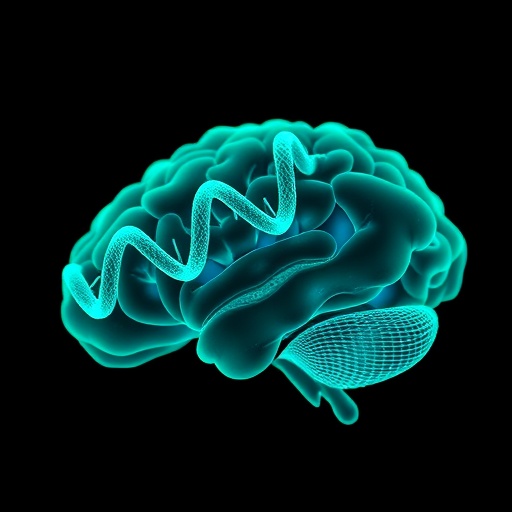
Neurodegenerative movement disorders often begin quietly. A slight change in gait, a tremor that appears only under stress, or a subtle slowing of movement may precede a formal diagnosis by years. By the time symptoms become unmistakable, substantial damage may already have occurred in vulnerable neural circuits. A study published in npj Parkinson’s Disease in 2026 presents a technology-focused approach aimed at making the search for early biological signals faster and more precise: a machine-learning-assisted biosensing platform built around CRISPR/Cas12a and designed to identify biomarkers associated with neurodegenerative movement disorders.
The work by Ou, Guo, Zou and colleagues sits at the intersection of molecular diagnostics, artificial intelligence and genome-engineering technology. CRISPR systems are best known for their ability to recognize and modify genetic sequences, but some CRISPR proteins can also function as highly sensitive molecular detectors. Cas12a, the enzyme used in this research direction, is activated when it encounters a matching target nucleic acid sequence. Once activated, it can cleave nearby single-stranded DNA molecules indiscriminately, creating a measurable signal. In a biosensor, that collateral cleavage activity can be converted into fluorescence or another detectable output, allowing researchers to determine whether a specific biological sequence is present.
The central challenge is not simply making a CRISPR sensor respond. It is deciding which molecular targets matter most and interpreting signals that may be weak, variable or affected by biological noise. Neurodegenerative disorders are particularly difficult in this respect because they are biologically complex and can share symptoms during their early stages. Parkinson’s disease, atypical parkinsonian syndromes and other movement disorders may involve overlapping molecular pathways, while their clinically distinct features can emerge gradually. The study’s machine-learning-assisted strategy is intended to help connect patterns in biological data with candidate biomarkers that could be useful for detection or classification.
Machine learning can contribute at several stages of this process. Algorithms may be used to analyze large datasets, rank candidate biomarkers, identify combinations of molecular features or distinguish meaningful signals from experimental background. In principle, this allows the diagnostic system to move beyond a single-marker test. A single molecule may not provide enough information to separate related disorders, but a carefully selected panel of markers could produce a more informative molecular fingerprint. CRISPR/Cas12a sensors could then be engineered to detect those targets, while computational models interpret the resulting signals and estimate which biological pattern is most consistent with a particular disease state.
This combination is important because CRISPR biosensing and artificial intelligence address different weaknesses. CRISPR/Cas12a offers molecular specificity and the potential for rapid, compact testing, but its performance depends on target design, sample quality and signal interpretation. Machine learning can help manage complex outputs, yet algorithms are only as reliable as the data used to train and validate them. Combining the two technologies may therefore create a diagnostic workflow in which molecular recognition occurs through programmable CRISPR chemistry and classification is supported by statistical learning. The approach could eventually be adapted to laboratory platforms, point-of-care devices or highly multiplexed assays capable of examining several biomarkers at once.
The prospect is especially significant for disorders in which diagnosis currently depends heavily on clinical observation. Neurologists assess movement, muscle tone, balance, speech, cognition and treatment response, often over extended periods. Imaging and other laboratory tests can support the evaluation, but there is no universal blood-based test that definitively identifies every neurodegenerative movement disorder at an early stage. A sensitive molecular assay would not replace clinical expertise, but it could add an objective layer of evidence. It might help identify individuals who require closer monitoring, support earlier enrollment in clinical trials or improve the selection of patients for therapies aimed at particular biological mechanisms.
The technical appeal of Cas12a also lies in its programmability. By changing the guide RNA, researchers can redirect the enzyme toward a different nucleic acid sequence. This makes the platform adaptable to RNA transcripts, mutation-associated sequences or other nucleic-acid biomarkers, depending on how the assay is designed. The target material could potentially be derived from clinical specimens such as blood or other accessible samples, although the usefulness of any particular sample type depends on whether disease-related signals are present at sufficient levels. Sample preparation remains a critical issue: many promising molecular tests fail to translate into routine care because biological material is scarce, unstable or difficult to isolate consistently.
Machine-learning integration introduces another layer of opportunity and risk. A model trained on carefully characterized patient samples might identify subtle combinations of signals that are difficult to recognize using conventional thresholds. However, a system trained on a narrow population could perform poorly in people with different ages, genetic backgrounds, medications, disease stages or coexisting conditions. For that reason, any clinically meaningful version of the platform would require independent validation across multiple hospitals and patient groups. Researchers would also need to demonstrate analytical sensitivity, specificity, reproducibility and resistance to contamination, as well as establish whether the assay improves outcomes compared with existing diagnostic pathways.
The study’s title signals a biomarker-identification strategy rather than a finished clinical test. That distinction matters. A promising molecular target must pass through several stages before it can support medical decisions. It must be detected reliably, shown to correlate with a defined disease process, and tested against appropriate controls, including healthy individuals and patients with conditions that produce similar symptoms. The biomarker must also provide information that changes clinical management. Detecting a difference between groups in a research dataset is not automatically the same as diagnosing an individual patient. The value of the reported approach will therefore depend on how robustly its candidate biomarkers and computational models perform beyond the initial research setting.
Even with those limitations, the convergence of CRISPR diagnostics and machine learning reflects a broader shift in biomedical research. Instead of treating diagnosis as a search for one perfect marker, scientists are increasingly building systems that combine many molecular signals and analyze them computationally. Such platforms could be particularly useful for diseases defined by gradual biological changes rather than a single genetic defect. If validated, a programmable Cas12a assay paired with a trained algorithm could offer a faster way to screen candidate biomarkers, compare disease signatures and refine diagnostic panels as new biological evidence emerges.
For patients and clinicians, the long-term promise is earlier and more confident recognition of neurodegenerative movement disorders. Earlier detection could make it possible to intervene before irreversible damage accumulates, monitor progression with molecular measurements and match patients more precisely to therapies under development. The immediate achievement of the research is more foundational: it demonstrates how a CRISPR-based sensing technology can be paired with computational intelligence to tackle the difficult problem of biomarker discovery. The next tests will be practical and clinical—whether the signals remain reliable in real-world samples, whether the models generalize across populations, and whether the resulting information can improve care rather than simply produce a more sophisticated laboratory readout.
Cite Scienmag News
Juliet Wilcox. (August 13, 2026). AI-Enhanced CRISPR/Cas12a Biosensor Identifies Biomarkers for Neurodegenerative Movement Disorders. Scienmag. https://scienmag.com/ai-enhanced-crispr-cas12a-biosensor-identifies-biomarkers-for-neurodegenerative-movement-disorders/
Juliet Wilcox. "AI-Enhanced CRISPR/Cas12a Biosensor Identifies Biomarkers for Neurodegenerative Movement Disorders." Scienmag, 13 August 2026, https://scienmag.com/ai-enhanced-crispr-cas12a-biosensor-identifies-biomarkers-for-neurodegenerative-movement-disorders/. Accessed 3 September 2026.
Juliet Wilcox. "AI-Enhanced CRISPR/Cas12a Biosensor Identifies Biomarkers for Neurodegenerative Movement Disorders." Scienmag. August 13, 2026. https://scienmag.com/ai-enhanced-crispr-cas12a-biosensor-identifies-biomarkers-for-neurodegenerative-movement-disorders/


