


A groundbreaking study from the Babraham Institute has unveiled a pivotal role for the Zinc Finger Protein 36 (ZFP36) family of RNA-binding proteins in maintaining the delicate balance of the immune system through regulatory T cells (Tregs). This discovery sheds new light on the intricate mechanisms that regulate immune homeostasis and opens promising avenues to understand and potentially treat age-related inflammation, a condition implicated in numerous chronic diseases.
Regulatory T cells, often abbreviated as Tregs, are crucial modulators within the immune system, tasked with restraining the activity of effector immune cells such as cytotoxic T cells. This function is essential to prevent excessive or misdirected immune responses that can lead to autoimmune disorders or chronic inflammation. The precise molecular players that govern Treg function have remained only partially understood until now. The newly published research from the Turner laboratory reveals how RNA-binding proteins modulate gene expression in Tregs at a post-transcriptional level, thus influencing their ability to sustain immune equilibrium.
RNA-binding proteins (RBPs) have emerged as fundamental regulators in diverse biological processes, including development, stress response, and inflammatory pathways. These proteins interface directly with messenger RNA (mRNA) molecules, controlling their stability, localization, and translation into proteins. The ZFP36 family of RBPs is particularly noted for its regulatory impact on cytokine mRNAs—crucial messengers that coordinate immune responses. By binding to these mRNAs, ZFP36 proteins temper the inflammatory signaling cascade, ensuring that cytokine production remains tightly controlled.
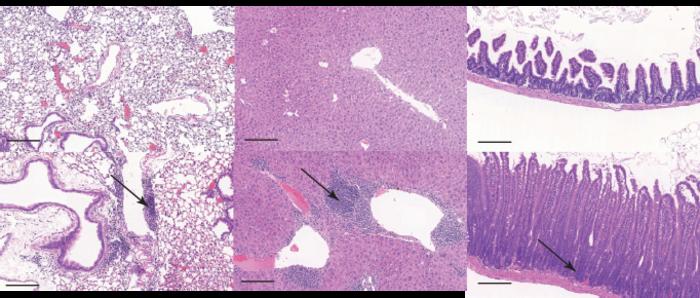
In this study, researchers employed sophisticated genetic models wherein the genes encoding two ZFP36 family members, Zfp36l1 and Zfp36l2, were selectively deleted in Tregs of mice. This targeted knockout strategy allowed the team to unravel the specific contributions of these RBPs to the regulatory function of Tregs. The altered mice exhibited overt signs of systemic inflammation, including tissue infiltration by immune cells and elevated circulating antibodies, underscoring a breakdown of immune tolerance and control.
Subsequent transcriptomic analyses using high-throughput sequencing technologies revealed that loss of ZFP36l1 and ZFP36l2 disrupts a broad network of genes integral to Treg-mediated immune homeostasis. Notably, pathways regulating responses to interleukin-2 (IL-2) and interleukin-7 (IL-7)—key cytokines that govern Treg survival and function—were markedly affected. This indicates that the ZFP36 proteins fine-tune Treg responsiveness to these molecular cues, modulating their capacity to suppress inappropriate immune activation.
An unexpected but critical finding was the influence of ZFP36 family proteins on interferon-gamma (IFNγ) production. IFNγ is a cytokine widely known to promote pro-inflammatory responses. The study showed that Tregs deficient in ZFP36l1 and ZFP36l2 fail to properly regulate IFNγ levels, resulting in exacerbated inflammatory signaling. This dysregulation highlights a novel feedback mechanism where RNA-binding proteins in Tregs calibrate their environmental cytokine milieu, preventing runaway immune activation.
These insights collectively enhance our understanding of the molecular underpinnings governing immune homeostasis. The study underscores the concept that RNA-binding proteins serve as crucial post-transcriptional gatekeepers in immune regulation, orchestrating a symphony of gene expression changes necessary for Treg function. By influencing multiple intersecting pathways, ZFP36-family RBPs emerge as integral components in preventing chronic inflammation and autoimmunity.
Looking ahead, the research team plans to investigate how these molecular insights translate into immune responses during pathogenic infections. By challenging mice lacking ZFP36 proteins in Tregs with infections, the researchers aim to dissect the consequences of impaired RNA-binding protein function on dynamic immune regulation. Furthermore, expanding this work to other T cell subsets will provide a comprehensive view of RNA-binding proteins’ roles across the immune landscape.
This discovery also holds significant implications for ageing research. Chronic, low-grade inflammation—often referred to as “inflammaging”—is a hallmark of advancing age and contributes to many age-associated diseases, such as cardiovascular disorders, neurodegeneration, and metabolic syndrome. Understanding how ZFP36-family RBPs stabilize Treg functions offers a promising therapeutic target to modulate inflammaging and restore immune balance in older individuals.
The translational potential of this research is substantial. By manipulating RNA-binding protein pathways pharmacologically or through gene therapy, it may become feasible to enhance Treg-mediated immune regulation in contexts where inflammation is pathologic. Such strategies could revolutionize the treatment of autoimmune diseases, chronic inflammatory conditions, and perhaps even extend healthy lifespan by mitigating age-related immune decline.
This study was spearheaded by Dr. Beatriz Sáenz-Narciso and Dr. Sarah Bell from the Babraham Institute’s Turner lab, with Dr. Martin Turner himself emphasizing the significance of these findings. He noted the fundamental importance of RNA-binding proteins in supporting the vital function of Tregs and advocated for continued exploration to exploit these molecular regulators in clinical contexts.
Integrating state-of-the-art genomics, bioinformatics, and immunological approaches, this research exemplifies the power of interdisciplinary science to unravel complex biological systems. The Babraham Institute’s commitment to such innovative science fosters discoveries that not only advance basic knowledge but also have profound impacts on human health.
In conclusion, the identification of ZFP36-family RNA-binding proteins as key modulators of regulatory T cell function represents a major leap forward in immunology. This work enhances our grasp of immune system regulation at the molecular level and offers tangible hope for therapeutic interventions that could alleviate chronic inflammation and improve immunity across the lifespan.
Cite Scienmag News
Juliet Wilcox. (May 19, 2025). Achieving Harmony: Balancing the Immune System for Optimal Health. Scienmag. https://scienmag.com/achieving-harmony-balancing-the-immune-system-for-optimal-health/
Juliet Wilcox. "Achieving Harmony: Balancing the Immune System for Optimal Health." Scienmag, 19 May 2025, https://scienmag.com/achieving-harmony-balancing-the-immune-system-for-optimal-health/. Accessed 3 September 2026.
Juliet Wilcox. "Achieving Harmony: Balancing the Immune System for Optimal Health." Scienmag. May 19, 2025. https://scienmag.com/achieving-harmony-balancing-the-immune-system-for-optimal-health/


