Sunday, November 1, 2026
Science
No Result
View All Result
  • Login
  • HOME
  • SCIENCE NEWS
  • CONTACT US
  • HOME
  • SCIENCE NEWS
  • CONTACT US
No Result
View All Result
Scienmag
No Result
View All Result
Home Science News Medicine

PET Microplastics Linked to Pregnancy Loss Mechanisms in Exploratory Study

October 28, 2026
in Medicine
Harold Sullivan
By Harold Sullivan Scienmag Editorial Profile - Maternal and Child Health
Reading Time: 2 mins read
0
PET Microplastics Linked to Pregnancy Loss Mechanisms in Exploratory Study

PET Microplastics Linked to Pregnancy Loss Mechanisms in Exploratory Study

65
SHARES
587
VIEWS
Share on FacebookShare on Twitter
ADVERTISEMENT

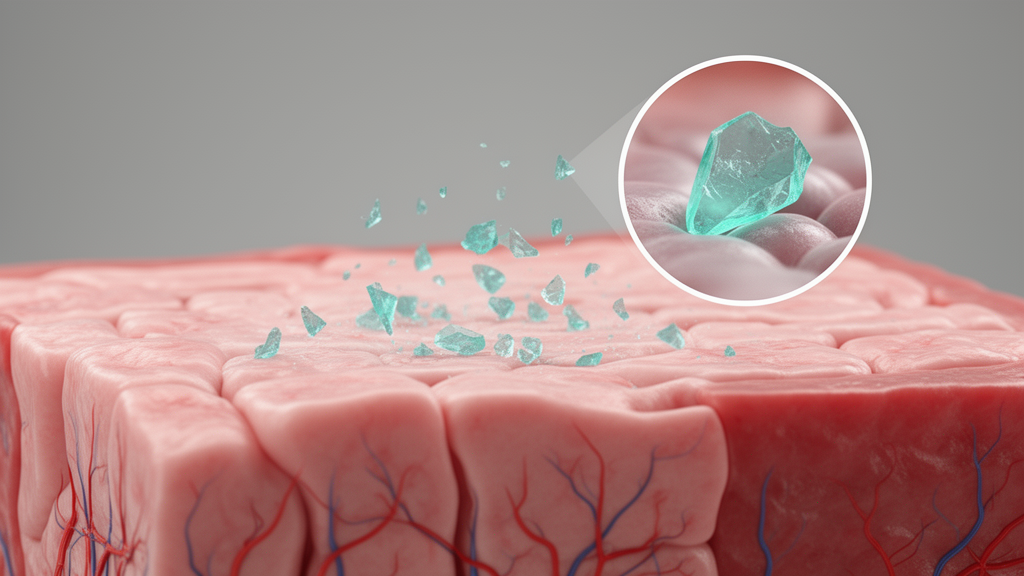
Polyethylene terephthalate microplastics, the shed fragments of one of the world’s most common plastics, may interfere with biological processes tied to recurrent pregnancy loss, according to an exploratory study published in BMC Pharmacology and Toxicology. The research combined computational network toxicology with laboratory experiments to identify molecular targets that could connect PET microplastic exposure with pregnancy loss, though the authors frame the work as hypothesis-generating rather than proof of causation in patients.

The team began by assembling PET-related molecular targets and comparing them with differentially expressed genes from the public dataset GSE165004, which profiles recurrent pregnancy loss. The overlap produced thirty-five intersecting genes. Enrichment and protein-protein interaction analyses were then applied to this set, and machine learning methods narrowed the field to four hub genes: YWHAZ, SRC, CYP1A2 and PAK2. According to the study, these four genes showed promising diagnostic capacity and were correlated with immune cell infiltration patterns.

To probe whether PET itself could physically engage these proteins, the researchers ran molecular docking simulations, which indicated stable binding of PET to all four hub proteins. Docking is a computational prediction of how a small molecule fits into a protein’s structure, so it suggests plausible interaction but does not demonstrate binding in living tissue.

The strongest experimental signal centered on YWHAZ, a scaffolding protein involved in multiple signaling pathways. Single-cell RNA sequencing of decidual tissue showed that YWHAZ was downregulated in multiple decidual cell subsets from patients with recurrent pregnancy loss. A virtual knockout of the gene disturbed immune-related pathways in the computational model. In follow-up cell culture work, treating trophoblast cells and endometrial stromal cells with PET microplastics suppressed both cell viability and YWHAZ protein expression, providing direct in vitro evidence that exposure affects these cell types.

The authors conclude that PET microplastic exposure may contribute to recurrent pregnancy loss through immune and signaling dysfunction, positioning YWHAZ as a candidate PET-responsive mediator and a potential diagnostic biomarker. They emphasize that the study offers exploratory mechanistic insights and candidate biomarkers for microplastic-associated reproductive toxicity rather than established clinical findings. Because the human evidence consists of gene expression patterns from a single dataset and the exposure experiments were performed in cultured cells, the findings will require validation in independent cohorts and in vivo models before any clinical implications can be drawn. Still, the integrated approach illustrates how computational screening followed by targeted cell experiments can prioritize which molecular players merit closer study in environmental reproductive toxicology.

Subject of Research: Computational and in vitro investigation of PET microplastic toxicity mechanisms in recurrent pregnancy loss

Article Title: Toxic mechanisms of PET microplastics in recurrent pregnancy loss: integrating network toxicology with experimental validation

Article References: Su, Y., Zhang, C., Wang, H., & Zhou, W. (2026). Toxic mechanisms of PET microplastics in recurrent pregnancy loss: integrating network toxicology with experimental validation. BMC Pharmacology and Toxicology. https://doi.org/10.1186/s40360-026-01268-z

Image Credits: AI Generated

DOI: 10.1186/s40360-026-01268-z

Keywords: PET microplastics, recurrent pregnancy loss, network toxicology, YWHAZ, molecular docking, single-cell RNA sequencing, trophoblast cells, endometrial stromal cells, immune infiltration, diagnostic biomarker, reproductive toxicology, GSE165004

Cite Scienmag News

Harold Sullivan. (October 28, 2026). PET Microplastics Linked to Pregnancy Loss Mechanisms in Exploratory Study. Scienmag. https://scienmag.com/pet-microplastics-linked-to-pregnancy-loss-mechanisms-in-exploratory-study/

Harold Sullivan. "PET Microplastics Linked to Pregnancy Loss Mechanisms in Exploratory Study." Scienmag, 28 October 2026, https://scienmag.com/pet-microplastics-linked-to-pregnancy-loss-mechanisms-in-exploratory-study/. Accessed 1 November 2026.

Harold Sullivan. "PET Microplastics Linked to Pregnancy Loss Mechanisms in Exploratory Study." Scienmag. October 28, 2026. https://scienmag.com/pet-microplastics-linked-to-pregnancy-loss-mechanisms-in-exploratory-study/


Tags: computational toxicologydiagnostic biomarkerendometrial stromal cellsenvironmental pollutants and pregnancy outcomesgene expression in pregnancy lossGSE165004immune cell infiltration in pregnancyimmune infiltrationmolecular dockingmolecular docking of plasticsmolecular targets in pregnancynetwork toxicologyPET microplasticsPET microplastics and reproductive healthplastic exposure and fertilitypregnancy loss mechanismsprotein interactions with microplasticsRecurrent pregnancy lossreproductive toxicityreproductive toxicologySingle-Cell RNA Sequencingtrophoblast cellsYWHAZ
Share26Tweet16
Previous Post

Nanoemulsions Turn Volatile Essential Oils into Next-Generation Insecticides

Next Post

Ant-Inspired AI Learns to Read the Graceful Postures of Opera Training

Related Posts

ZNF207 shields glutamine transporter ASCT2 from degradation to fuel liver cancer growth
Cancer

ZNF207 shields glutamine transporter ASCT2 from degradation to fuel liver cancer growth

October 30, 2026
Most Ethiopian HIV patients on dolutegravir therapy show good knowledge, survey finds
Medicine

Most Ethiopian HIV patients on dolutegravir therapy show good knowledge, survey finds

October 30, 2026
Serum and urine protein biomarkers may sharpen prostate cancer detection beyond PSA
Medicine

Serum and urine protein biomarkers may sharpen prostate cancer detection beyond PSA

October 30, 2026
One gene locus flags atrial fibrillation risk after major surgery, UK Biobank study finds
Medicine

One gene locus flags atrial fibrillation risk after major surgery, UK Biobank study finds

October 30, 2026
Deep-learning CT reconstruction sharpens calcium visibility in phantom tests, but dose evens the score
Medicine

Deep-learning CT reconstruction sharpens calcium visibility in phantom tests, but dose evens the score

October 30, 2026
Pennywort Leaf Extract Lowers Blood Sugar in Diabetic Rats, Study Finds
Medicine

Pennywort Leaf Extract Lowers Blood Sugar in Diabetic Rats, Study Finds

October 30, 2026
Next Post
Ant-Inspired AI Learns to Read the Graceful Postures of Opera Training

Ant-Inspired AI Learns to Read the Graceful Postures of Opera Training

  • Mothers who receive childcare support from maternal grandparents show more optimized

    Mothers who receive childcare support from maternal grandparents show more parental warmth, finds NTU Singapore study

    27656 shares
    Share 11059 Tweet 6912
  • University of Seville Breaks 120-Year-Old Mystery, Revises a Key Einstein Concept

    1061 shares
    Share 424 Tweet 265
  • Bee body mass, pathogens and local climate influence heat tolerance

    682 shares
    Share 273 Tweet 171
  • Researchers record first-ever images and data of a shark experiencing a boat strike

    546 shares
    Share 218 Tweet 137
  • Groundbreaking Clinical Trial Reveals Lubiprostone Enhances Kidney Function

    531 shares
    Share 212 Tweet 133
Science

Embark on a thrilling journey of discovery with Scienmag.com—your ultimate source for cutting-edge breakthroughs. Immerse yourself in a world where curiosity knows no limits and tomorrow’s possibilities become today’s reality!

RECENT NEWS

  • Trademarks Meet Patents in New Method to Spot Technology Opportunities
  • Reddit self-declarations offer auditable labels for demographic inference
  • Scots pine needles map trace element pollution in Polish industrial town
  • Dual-blockchain scheme secures vehicle handovers without pre-shared keys

Categories

  • Agriculture
  • Anthropology
  • Archaeology
  • Athmospheric
  • Biology
  • Biotechnology
  • Blog
  • Bussines
  • Cancer
  • Chemistry
  • Climate
  • Earth Science
  • Editorial Policy
  • Marine
  • Mathematics
  • Medicine
  • Pediatry
  • Policy
  • Psychology & Psychiatry
  • Science Education
  • Science News
  • Social Science
  • Space
  • Technology and Engineering

Subscribe to Blog via Email

Enter your email address to subscribe to this blog and receive notifications of new posts by email.

Join 5,150 other subscribers

© 2025 Scienmag - Science Magazine

Welcome Back!

Login to your account below

Forgotten Password?

Retrieve your password

Please enter your username or email address to reset your password.

Log In
No Result
View All Result
  • HOME
  • SCIENCE NEWS
  • CONTACT US

© 2025 Scienmag - Science Magazine

Discover more from Science

Subscribe now to keep reading and get access to the full archive.

Continue reading