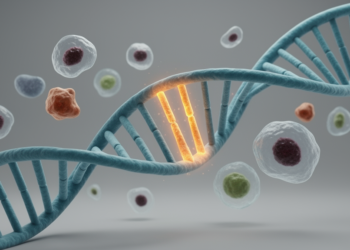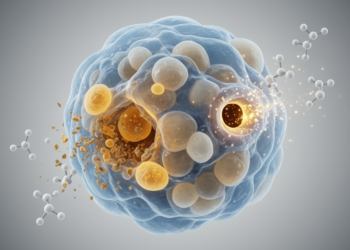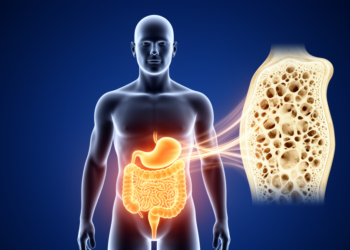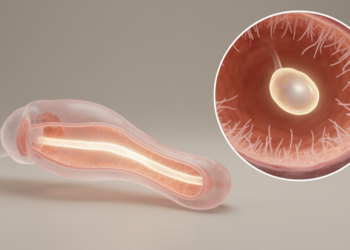
A comprehensive review published in Food Production, Processing and Nutrition maps out what scientists currently know about postbiotics, the bioactive preparations made from inanimate microorganisms or their metabolites, and argues that these compounds are edging closer to routine use in food preservation. The review, led by Nader Khani and colleagues and published on 9 October 2026, brings together scattered findings on where postbiotics come from, how microbes make them, and how they perform in meat, dairy, and seafood products. According to the authors, postbiotics offer greater stability, a longer shelf life, easier standardization, and fewer safety concerns than live probiotics, which makes them attractive candidates for industrial adoption even though production optimization, regulatory approval, and large-scale commercialization remain significant barriers.
The review defines postbiotics following the International Scientific Association for Probiotics and Prebiotics as preparations of inanimate microorganisms and/or their components that confer health benefits on the host. The category is broad: it includes organic acids, short-chain fatty acids, bacteriocins, exopolysaccharides, enzymes, peptides, cell-wall fragments, and other bioactive metabolites generated during microbial growth and fermentation. A central argument of the paper is that many benefits traditionally credited to live probiotics are actually mediated by microbial metabolites and structural components rather than by the viability of the microorganisms themselves. Because postbiotics contain no viable cells, they resist processing and storage conditions that would kill living cultures, and their composition can be standardized more readily than that of live microbial preparations.
One of the review’s most distinctive sections examines the ecology of postbiotic production, framing these compounds as evolutionary weapons in microbial competition. Populations capable of producing postbiotic compounds gain substantial competitive advantages over susceptible bacteria in the same niche, the authors write, citing classic studies of Lactobacillus plantarum in Spanish-style green olive fermentation, Escherichia coli in the guinea pig conjunctiva, and Streptococcus mutans in the human oral cavity. In the olive fermentation example, a postbiotic-producing strain of L. plantarum remained dominant throughout a 12-week fermentation, while a variant of the same strain lacking the ability to produce the compound was displaced by indigenous Lactobacillus and became undetectable after only seven weeks. The review notes that the full extent of postbiotic-mediated interactions in complex communities such as biofilms remains not yet fully understood.
Mathematical modeling of these competitive dynamics has focused heavily on E. coli populations, in which certain strains release postbiotic metabolites with targeted inhibitory effects on competing strains. Induction of these compounds typically occurs under stressful conditions such as nutrient depletion or overcrowding, and they act through disruption of membrane function, degradation of nucleic acids, and interference with essential metabolic pathways. The review reports that approximately 30 percent of natural E. coli populations produce such inhibitory substances, that more than 25 distinct types of these E. coli-derived systems have been identified, and that roughly 70 percent of cells within an E. coli population show resistance to at least one type of postbiotic compound while about 30 percent resist the full range produced in that environment. The proportion of producing cells is strongly influenced by the metabolic and energetic costs of synthesizing the molecules.
Detecting and measuring postbiotic activity is a methodological challenge the review addresses in detail. Agar-based screening methods, most derived from the spot-on-lawn approach, remain common, and deferred methods that separate the incubation conditions of producer and indicator strains are often more sensitive than direct tests. A soft agar overlay technique in which the producing culture is physically separated from the indicator by an agar layer minimizes the effects of acids and bacteriophage. The authors caution that organic acids produced by lactic acid bacteria can masquerade as postbiotic activity, so appropriate measures must distinguish or eliminate their effects. Gelling agents and buffering compounds can also interfere with inhibition zones; beta-glycerol phosphate in M17 agar, for example, interfered with zones produced by Pediococcus acidilactici. Beyond plate assays, matrix-assisted laser desorption/ionization time-of-flight mass spectrometry has been adapted for rapid detection of pediocin-like metabolites, nisin-derived peptides, and related fragments from culture supernatants, although contaminating substances in food still hamper accurate detection. PCR methods and colony hybridization can detect genes responsible for postbiotic production, and a potassium ion leakage assay, which reflects membrane damage in susceptible indicator strains, correlates well with conventional agar well diffusion results.
On the genetics and biosynthesis side, the review describes postbiotics as products synthesized ribosomally or metabolically, with genes for production, regulation, and secretion often organized in coordinated clusters or operons. These clusters may sit on the chromosome, on plasmids, or on mobile genetic elements such as transposons, as documented for the nisin and lacticin 481 systems. Well-characterized operons typically contain genes encoding the initial prepeptide, modification enzymes, processing proteases, ABC transporter proteins, regulatory elements, and self-protection genes. Metabolic postbiotics such as short-chain fatty acids, organic acids, and gamma-aminobutyric acid arise instead through primary metabolic pathways including glycolysis, the phosphoketolase pathway, amino-acid decarboxylation, and cofactor-dependent redox cycles, with gamma-aminobutyric acid produced through a glutamate decarboxylase system encoded by the gad operon. Structural postbiotics such as exopolysaccharides follow distinct routes involving large multi-gene operons encoding glycosyltransferases, polymerization enzymes, chain-length regulators, and export proteins, while cell-wall fragments and intracellular components released during autolysis or controlled stress inactivation are generated by autolysins, amidases, endopeptidases, and proteases acting under global stress-response networks including two-component systems, heat-shock regulons, and LuxS/AI-2 quorum sensing.
Regulation of postbiotic biosynthesis integrates environmental cues, metabolic status, and stress signals. Two-component regulatory systems, consisting of a membrane-bound histidine kinase and a cytoplasmic response regulator, modulate gene transcription in response to pH changes, metabolite accumulation, oxidative stress, or nutrient limitation. Quorum sensing ensures that production is synchronized across a microbial community: as cell density rises, accumulating autoinducer peptides, lactones, or organic acids trigger coordinated gene expression that enhances production of metabolic end-products, extracellular polysaccharides, and stress-induced autolytic enzymes. Intracellular metabolic sensors monitoring carbon sources, redox balance, amino acid pools, and cofactors such as NADH and ATP further tune output, while temperature, oxygen availability, pH, and fermentation duration exert significant influence. Industrial production depends on careful optimization of fermentation conditions, including pH control, carbon and nitrogen availability, mineral balance, aeration, and strain-specific supplementation. The review reports recovery efficiencies of 60 to 90 percent following membrane filtration and concentration, and states that high-density fermentation systems have increased metabolite productivity by more than twofold compared with conventional batch fermentations, though direct comparison among studies remains difficult because yield metrics are not standardized.
The food application sections of the review draw on a substantial body of studies. In meat systems, postbiotics derived from L. plantarum inhibited common foodborne pathogens in minced beef during chilled storage, significantly reducing microbial counts compared with untreated controls, and postbiotic metabolites from L. rhamnosus showed strong inhibitory activity against spoilage organisms on raw chicken fillets stored at 4 degrees Celsius. Fermented metabolite extracts from Lactobacillus fermentum incorporated into ground meat delayed lipid oxidation, preserved color, and maintained sensory attributes over extended storage. In dairy, L. plantarum-derived postbiotics reduced Listeria monocytogenes counts in pasteurized milk by approximately 2 to 3 log cycles over a 10-day refrigerated period compared with untreated controls, and cell-free supernatants from Lactobacillus casei decreased the growth rate of contaminating pathogens in fresh cheese during 7 days of cold storage. Exopolysaccharide-rich postbiotic fractions added to yogurt increased water-holding capacity and reduced syneresis over 21 days of storage. In seafood, cell-free supernatants from L. plantarum significantly inhibited spoilage bacteria in cold-smoked salmon stored at 4 degrees Celsius for 21 days, and postbiotic extracts from L. rhamnosus applied to vacuum-packed smoked salmon produced a marked reduction in psychrotrophic bacterial growth during four weeks of chilled storage.
The review also emphasizes that postbiotics perform well within hurdle technology, where they are combined with mild heat treatment, sodium chloride, modified-atmosphere packaging, or reduced pH. Co-application of postbiotic metabolites with carbon dioxide-enriched packaging atmospheres in pork products led to markedly lower microbial loads and prolonged storage stability, and such multipronged systems allow lower concentrations of individual hurdles, supporting cleaner-label formulations. Three practical application routes are described: direct incorporation of postbiotic preparations into foods, use of postbiotic-rich fermentation extracts, and inclusion of fermented ingredients naturally enriched with postbiotics such as broths, powders, concentrates, or pastes. Because postbiotics are non-viable, they eliminate concerns about unintended microbial proliferation during storage and can be used in products where microbial growth is not desirable or where conditions would not support active fermentation.
The authors conclude that current evidence supports the application of postbiotics in meat, dairy, and seafood products to enhance microbial safety and product quality, while stressing that challenges remain regarding standardization, optimization of production methods, regulatory clarity, and cost-effectiveness for large-scale applications. As a review, the article synthesizes published studies rather than presenting new experimental data, and the cited applications come from individual studies of specific strains and food matrices rather than from unified clinical or industrial trials. The authors identify strain selection, metabolite characterization, mode-of-action studies, production standardization, and regulatory aspects as the key research priorities that will determine whether postbiotics fulfill their proposed role as clean-label, multifunctional ingredients in next-generation food systems.
Subject of Research: The ecology, biosynthesis, and food applications of postbiotics as natural biopreservation agents
Article Title: Ecology, biosynthesis, and food applications of postbiotics
Article References: Khani, N., Azadi, E., Moradian, M., Khorrami, R., & Shafinia, K. (2026). Ecology, biosynthesis, and food applications of postbiotics. Food Production, Processing and Nutrition, 8(1), Article 78. https://doi.org/10.1186/s43014-026-00425-5
Image Credits: AI Generated
DOI: 10.1186/s43014-026-00425-5
Keywords: postbiotics, food preservation, probiotics, bacteriocins, exopolysaccharides, lactic acid bacteria, biopreservation, fermentation, microbial ecology, food safety, clean label, dairy
Cite Scienmag News
Morgan Morrow. (October 28, 2026). Postbiotics Move From Microbial Ecology Toward the Food Industry Mainstream. Scienmag. https://scienmag.com/postbiotics-move-from-microbial-ecology-toward-the-food-industry-mainstream/
Morgan Morrow. "Postbiotics Move From Microbial Ecology Toward the Food Industry Mainstream." Scienmag, 28 October 2026, https://scienmag.com/postbiotics-move-from-microbial-ecology-toward-the-food-industry-mainstream/. Accessed 28 October 2026.
Morgan Morrow. "Postbiotics Move From Microbial Ecology Toward the Food Industry Mainstream." Scienmag. October 28, 2026. https://scienmag.com/postbiotics-move-from-microbial-ecology-toward-the-food-industry-mainstream/