A new review published in Cancer Nanotechnology maps the rapidly growing field of stem cell-derived extracellular vesicles (EVs) as dual-purpose tools for treating and diagnosing cancer. The article, made available open access on 12 October 2026 as a peer-reviewed, accepted manuscript with a permanent DOI, was written by Junyuan Ji, Zunyun Wang, Zeting Li, Suwen Bai and Juan Du, with the first three authors contributing equally. It positions these tiny, naturally released membrane packets as candidate next-generation theranostic platforms in precision oncology.
Stem cells are defined by their capacity for self-renewal and multilineage differentiation, and the review notes that they play critical roles in tumor initiation, progression and therapeutic strategy. Extracellular vesicles shed by non-malignant stem cells inherit specific biological traits from their parent cells and serve as vehicles for intercellular communication. In certain contexts, the authors write, these vesicles show favorable biocompatibility, relatively low immunogenicity, an ability to cross biological barriers, and a tendency to accumulate at tumor sites — properties that make them attractive as delivery vehicles and as diagnostic signal sources.
To ground the field quantitatively, the review incorporates a bibliometric analysis of 2,164 publications indexed in the Web of Science Core Collection. That analysis tracks annual publication output, citation dynamics, collaboration patterns among countries and institutions, keyword co-occurrence, thematic evolution, co-citation structures and the identification of key references. The authors use this mapping to show where research attention has concentrated and how the thematic landscape of stem cell EV research has shifted over time.
At the core of the review is what the authors call the dual regulatory role of native stem cell-derived EVs in cancer. Rather than acting uniformly for or against the tumor, these vesicles can both suppress and promote malignant behavior depending on context. The analysis organizes their mechanisms into three functional themes: modulation of malignant phenotypes, effects on chemosensitivity, and remodeling of the immune microenvironment. Importantly, the review emphasizes that the tumor microenvironment itself can reprogram EVs toward pro-tumorigenic profiles, a caution that complicates any simple narrative of stem cell vesicles as inherently anti-cancer agents.
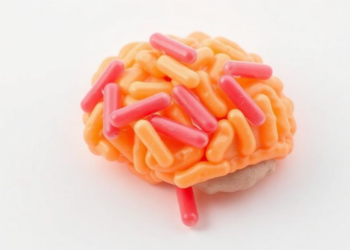
On the therapeutic side, the review details engineering strategies for loading cargo and functionalizing vesicle surfaces. These approaches enable the encapsulation of chemotherapeutic agents, nucleic acids, functional proteins and even oncolytic viruses within stem cell-derived vesicles.
Beyond direct tumor targeting, the review surveys emerging applications: reducing toxicities caused by chemoradiotherapy, developing cancer vaccines, combining vesicle-based approaches synergistically with conventional therapies, and integrating imaging capabilities for tumor visualization. Together these uses illustrate why the field frames EVs as theranostic — a single platform intended to link therapeutic intervention with diagnostic monitoring.
The authors are explicit that translation remains difficult. They scrutinize key barriers including production at scale, quality control, vesicle heterogeneity, in vivo behavior, safety and regulatory challenges, arguing that these issues must be resolved before clinical adoption can proceed. Because the article is being shared early as an accepted manuscript, it remains subject to further editorial edits before the final Version of Record replaces it.
On the diagnostic front, the review turns to cancer stem cells (CSCs) and their released vesicles as potential liquid biopsy biomarkers. Leveraging the unique biological properties of CSCs, the authors systematically assess whether CSC-derived EVs could outperform traditional protein markers in detecting and monitoring cancer, while also identifying the translational gaps that currently hinder clinical implementation of such tests.
Collectively, the review frames sections on therapeutic intervention and diagnostic monitoring within a single cohesive framework, arguing that stem cell-derived EVs could serve as unified theranostic tools in precision oncology. As with any review, its conclusions synthesize the published literature rather than reporting new experimental results, and the clinical promise it describes remains contingent on overcoming the production, safety and regulatory hurdles the authors themselves identify.
Subject of Research: Stem cell-derived extracellular vesicles as therapeutic and diagnostic platforms in cancer
Article Title: Stem cell-derived extracellular vesicles in cancer theranostics: dual regulatory mechanisms, engineering strategies, and clinical translation
Article References: Ji, J., Wang, Z., Li, Z., Bai, S., & Du, J. (2026). Stem cell-derived extracellular vesicles in cancer theranostics: dual regulatory mechanisms, engineering strategies, and clinical translation. Cancer Nanotechnology. https://doi.org/10.1186/s12645-026-00434-6
Image Credits: AI Generated
DOI: 10.1186/s12645-026-00434-6
Keywords: extracellular vesicles, stem cells, cancer theranostics, liquid biopsy, drug delivery, tumor microenvironment, glioblastoma, pancreatic cancer, bibliometrics, precision oncology, cancer stem cells, clinical translation
Cite Scienmag News
Nathaniel Bowman. (October 28, 2026). Stem Cell-Derived Vesicles Take Center Stage in Cancer Theranostics Review. Scienmag. https://scienmag.com/stem-cell-derived-vesicles-take-center-stage-in-cancer-theranostics-review/
Nathaniel Bowman. "Stem Cell-Derived Vesicles Take Center Stage in Cancer Theranostics Review." Scienmag, 28 October 2026, https://scienmag.com/stem-cell-derived-vesicles-take-center-stage-in-cancer-theranostics-review/. Accessed 28 October 2026.
Nathaniel Bowman. "Stem Cell-Derived Vesicles Take Center Stage in Cancer Theranostics Review." Scienmag. October 28, 2026. https://scienmag.com/stem-cell-derived-vesicles-take-center-stage-in-cancer-theranostics-review/