


A new mini review published in Frontiers in Nutrition synthesizes current evidence on the relationship between dietary patterns and the risk of developing Rheumatoid Arthritis (RA). The study, led by researchers from King’s College London and the University of Nicosia, examines how nutrition may influence the transition from pre-clinical autoimmunity to clinically apparent disease. RA is a systemic autoimmune condition characterized by joint inflammation, with a global prevalence estimated at 460 per 100,000 people. The authors argue that diet acts as a modifiable external factor that can interact with genetic susceptibility to either mitigate or exacerbate inflammatory processes.
The review highlights that RA is preceded by a prolonged pre-clinical phase where sub-clinical synovial inflammation may develop years before symptoms manifest. During this period, individuals may test positive for anti-citrullinated protein antibodies (ACPAs) or rheumatoid factor (RF), although not all patients exhibit these markers before clinical onset. Genetic factors contribute approximately 30 to 60 percent of susceptibility to RA, while environmental exposures, including diet, smoking, and air pollution, account for the remainder. The authors describe this complex interplay as the “mosaic of autoimmunity,” where multiple factors converge to produce unique rheumatological presentations.
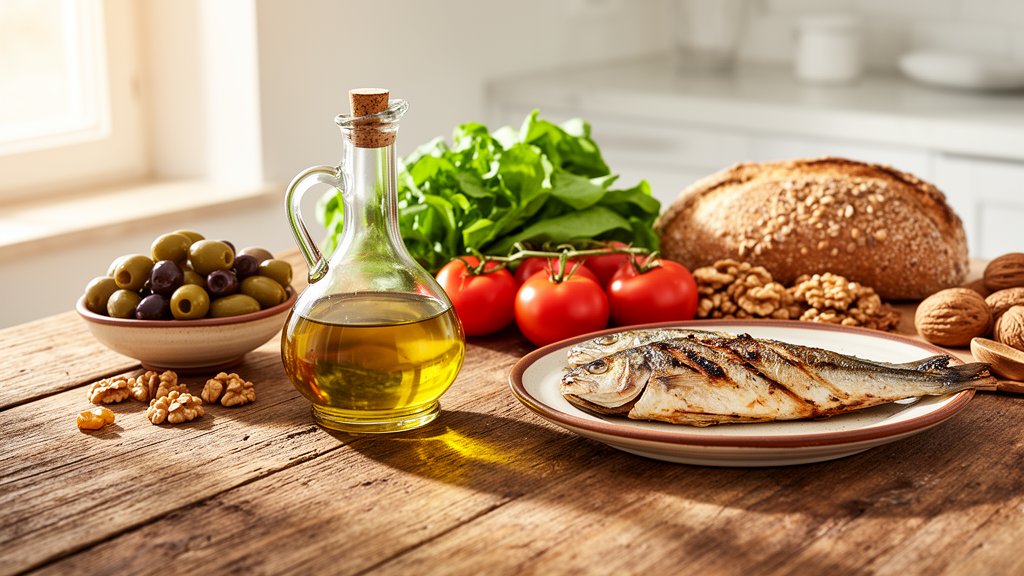
Observational data consistently link adherence to the Mediterranean diet (MD) with a reduced risk of RA. In the French E3N-EPIC prospective cohort study, women with a history of smoking who adhered closely to the MD had a lower risk of developing RA, with a hazard ratio of 0.91. A larger cohort study involving 117,341 participants found that those in the highest quartile of MD adherence had a 29 percent lower risk of RA compared to those in the lowest quartile. This protective association was particularly evident in seropositive RA, suggesting that the anti-inflammatory components of the diet may specifically inhibit the pathways associated with autoantibody production.
Conversely, the Western diet (WD), characterized by high intakes of red meat, refined carbohydrates, added sugars, and ultra-processed foods (UPFs), is associated with increased RA risk. In the UK Biobank study of 207,012 participants, high consumption of UPFs was linked to a 6 percent increase in RA risk per standard deviation increase in intake. UPFs are industrial formulations containing additives such as preservatives and emulsifiers, which may disrupt the gut microbiome. The low fiber content of the WD reduces the population of beneficial bacteria that produce short-chain fatty acids like butyrate, which are crucial for maintaining intestinal barrier integrity and regulating immune responses.
The mechanism by which diet influences RA risk involves several pathways, including the modulation of systemic inflammation and the gut microbiome. Excess adipose tissue, often associated with poor dietary quality, harbors inflammatory cells such as macrophages that secrete pro-inflammatory cytokines like tumor necrosis factor (TNF) and interleukin-6 (IL-6). These cytokines are heavily implicated in the pathogenesis of RA. Furthermore, specific gut bacteria, such as Prevotella copri, have been found in higher abundance in individuals with pre-clinical RA, suggesting a direct link between dietary-induced dysbiosis and the progression to autoimmune disease.
N-3 long-chain polyunsaturated fatty acids (PUFAs), key components of the MD, exert anti-inflammatory effects by competing with arachidonic acid for cyclooxygenase enzymes. This competition reduces the production of pro-inflammatory prostaglandin E2 and favors the formation of less inflammatory prostaglandin E3. A nested case-control study in a genetically at-risk population found that higher concentrations of n-3 PUFAs in erythrocytes were inversely associated with anti-CCP2 positivity, a marker of pre-clinical RA. However, the study did not track subsequent progression to clinical disease, limiting the strength of the causal inference.
The review also discusses the mucosal origins hypothesis, which posits that immune dysregulation at mucosal sites, such as the gut, may contribute to systemic autoimmunity. Soluble fibers from plant-based foods promote the growth of beneficial gut bacteria, thereby protecting the intestinal barrier and reducing systemic inflammation. In contrast, the WD promotes dysbiosis and the expression of microbial virulence factors, which can increase intestinal permeability. This allows microbial products to translocate into the circulation, triggering an inflammatory response that may facilitate the abnormal modification of proteins, such as citrullination, a key step in RA pathogenesis.
Despite the promising associations, the authors emphasize that most existing evidence is derived from observational studies on established RA or general populations, rather than confirmed pre-clinical cases. Direct evidence that dietary modification can alter the progression from pre-clinical autoimmunity to clinical RA remains limited. Confounding factors such as smoking and obesity can obscure the specific effects of diet, and the lack of universal, highly sensitive serological markers makes the diagnosis of pre-clinical RA challenging. Additionally, adherence to the MD varies across populations and study designs, limiting comparability between different research findings.
The review concludes that while definitive proof that adopting a Mediterranean diet prevents the onset of RA is lacking, the cumulative evidence suggests that anti-inflammatory dietary patterns may modulate RA outcomes. The authors recommend further research using robust methodologies to evaluate specific dietary interventions during the pre-clinical phase. They also highlight the importance of collaboration between rheumatologists and registered dietitians to provide individualized dietary advice. Survey data indicate that patients at risk of RA are willing to make lifestyle changes, but clinicians often hesitate to issue lifestyle counseling due to the perceived lack of strong supporting evidence.
In summary, this mini review underscores the potential role of nutrition as a lever for prevention and risk modification in Rheumatoid Arthritis. By targeting modifiable dietary risk factors, such as reducing ultra-processed food intake and increasing consumption of plant-based foods and n-3 PUFAs, it may be possible to influence the course of pre-clinical autoimmunity. However, the complexity of the “mosaic of autoimmunity” and the limitations of current observational data necessitate cautious interpretation. Future studies must focus on rigorously designed interventions to determine the optimal dietary strategies for preventing the progression to clinical RA.
Subject of Research: Dietary patterns and their association with Rheumatoid Arthritis risk and pre-clinical autoimmunity
Article Title: Can nutrition prevent the onset of Rheumatoid Arthritis? A mini review of dietary risk and progression from pre-clinical autoimmunity
Article References: Karadimova-Watts, M. V. M., Philippou, E., & Nikiphorou, E. (2026). Can nutrition prevent the onset of Rheumatoid Arthritis? A mini review of dietary risk and progression from pre-clinical autoimmunity. Frontiers in Nutrition, 13, Article 1864271. https://doi.org/10.3389/fnut.2026.1864271
Image Credits: AI Generated
DOI: 10.3389/fnut.2026.1864271
Keywords: Rheumatoid Arthritis, Mediterranean Diet, Autoimmunity, Gut Microbiome, Inflammation, Nutrition, Pre-clinical RA, Ultra-processed Foods, prevent, onset, Rheumatoid, Arthritis
Cite Scienmag News
Daisy Hatcher. (October 26, 2026). Mediterranean Diet Linked to Lower Rheumatoid Arthritis Risk. Scienmag. https://scienmag.com/mediterranean-diet-linked-to-lower-rheumatoid-arthritis-risk/
Daisy Hatcher. "Mediterranean Diet Linked to Lower Rheumatoid Arthritis Risk." Scienmag, 26 October 2026, https://scienmag.com/mediterranean-diet-linked-to-lower-rheumatoid-arthritis-risk/. Accessed 26 October 2026.
Daisy Hatcher. "Mediterranean Diet Linked to Lower Rheumatoid Arthritis Risk." Scienmag. October 26, 2026. https://scienmag.com/mediterranean-diet-linked-to-lower-rheumatoid-arthritis-risk/


