


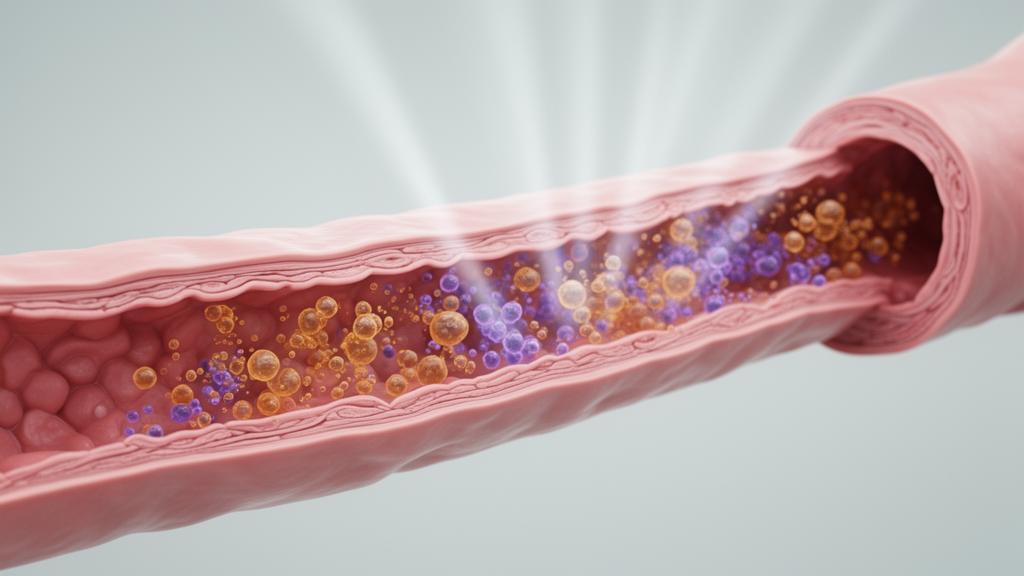
Cancer treatments do more than attack tumours. New research from the Wellcome Sanger Institute, the University of Cambridge, University College London and their collaborators shows that chemotherapy and radiotherapy can dramatically reshape the genetic landscape of healthy tissue, giving a growth advantage to cells carrying particular mutations. The study, published on 11 September 2026 in Nature Genetics, mapped mutations in normal oesophageal tissue from patients who had received chemotherapy, combined chemotherapy and radiotherapy, or no treatment before surgery for oesophageal cancer.
The findings reveal that even a few weeks of treatment can alter decades of cellular evolution in the body's normal tissues. Dr Phil Jones, co-senior author at the Wellcome Sanger Institute and the University of Cambridge, described the human body as a Darwinian battleground in which cells constantly evolve, expand and compete for space in normal tissues. According to Jones, introducing a drug changes the rules of that competition, so different genetic mutations determine which cells win or lose.
He noted that the team was surprised to find that only a few weeks of cancer treatment could drastically change decades of evolution in our cells. By studying normal tissues, he argued, researchers can begin to uncover how drugs behave in the body and work towards more effective treatments with fewer side effects. The biological backdrop to this work is the accumulation of somatic mutations, the genetic changes that all cells acquire over time.
Most of these changes do not affect how a cell functions, but some make individual cells fitter, allowing them to outcompete their neighbours. Occasionally, combinations of such mutations drive uncontrollable growth, producing cancer and tumours. By middle age, the human oesophagus has already become a patchwork of mutated cells, and by the age of 60 to 70 almost all cells lining the organ carry mutations.
The vast majority of these mutations do not lead to cancer, but when oesophageal tumours do form they are difficult to treat, because symptoms often appear only once the cancer has begun to spread. Oesophageal cancer remains a significant clinical challenge. Around 9,500 people are diagnosed with the disease in the United Kingdom each year, and almost half of new cases occur in people aged 75 and over.
Treatment options include surgery, chemotherapy, radiotherapy, a combination of chemotherapy and radiotherapy known as chemoradiotherapy, and immunotherapy. Because these intensive regimens can cause severe side effects in normal tissues, sometimes forcing clinicians to reduce doses, understanding how treatment affects healthy cells has direct relevance to patient care. To investigate these effects, the research team set out to understand whether chemotherapy and radiotherapy give some mutant cells an advantage in normal tissue.
They used DNA sequencing to analyse normal cells from the oesophageal epithelium, the lining of the oesophagus, removed from patients after treatment for oesophageal cancer. The patients had received either combination chemotherapy, chemoradiotherapy, or no treatment before surgery. The researchers found significant differences in the mutations present depending on the treatment each patient had received, demonstrating that different cancer therapies leave distinct imprints on the population of mutant cells in normal tissue.
The most striking result concerned patients treated with chemoradiotherapy. In this group, there were significantly more cells, or clones, carrying mutations in TP53, a vital tumour suppressor gene often called the guardian of the genome, and in PPM1D, a gene that produces an enzyme involved in managing cell stress and regulating TP53 function. In other words, the combined treatment was associated with an expansion of normal cells bearing mutations that are well known in cancer biology, increasing their representation in tissue that was otherwise healthy.
Patients who received combination chemotherapy showed a different pattern. In these individuals, there was an increase in normal cells carrying mutations associated with resistance to 5-fluorouracil, a commonly used chemotherapy drug often abbreviated as 5-FU. The researchers observed that this increased resilience to 5-FU in a patient's healthy cells during cancer treatment leads to protection from life-threatening toxicities.
This observation suggests that the same selective forces that shape mutant clones in normal tissue can also influence how patients tolerate aggressive treatment regimens. Despite detecting clear changes in the fitness of mutant cells following treatment, the team found no mutational signatures associated with the chemotherapies they studied. The researchers suggest that sequencing normal tissue from cancer patients receiving treatment could reveal how our genes regulate the response of our tissues to drugs, including the side effects those drugs cause.
By identifying the mutant cells in normal tissue that are selected for by cancer treatment, the study provides a catalogue of potential genetic targets that modify how cells respond to therapy. The team proposes that these findings begin to uncover the genes and protein domains that make normal cells sensitive or resistant to treatment, which could help shape cancer treatment in the future to minimise damage to healthy tissues and inform the development of targeted therapies that destroy cancer cells while leaving normal tissue unharmed. The work may also guide further research into how tumours become drug resistant.
The study has acknowledged limitations. It included 70 patients split across five groups, used targeted sequencing of 324 cancer-associated genes rather than whole-genome methods, and sequencing was performed only after treatment. The authors note that further mutations might be detected with whole exome sequencing of paired samples collected both before and after treatment.
As a next step, the team is conducting a pilot study in other tissues, collecting cheek swabs, blood and urine samples from patients before and after treatment for skin, head and neck cancers, to investigate on a larger scale whether normal cells carrying treatment-selected mutations can be detected more broadly. Dr Joanna Fowler, first author at the Wellcome Sanger Institute, emphasised that cancer treatments affect normal tissues as well as cancer cells, and that understanding the genetic changes across these tissues will help unlock a more detailed understanding of how treatments can be better tailored to patients. Dr Hayley Brown, research information manager at Cancer Research UK, which supported the research along with Wellcome and others, said the study offers an unusual opportunity to see how healthy cells change during treatment, knowledge that could help researchers find ways to reduce the impact of therapy on patients without making it less effective against cancer.
Subject of Research: How cancer treatments alter mutation selection in normal oesophageal tissue
Article Title: Chemotherapy alters ‘Darwinian battleground’ in our bodies
Article References: Chemotherapy alters ‘Darwinian battleground’ in our bodies. Original publication (Bibliographic details unavailable.)
Image Credits: AI Generated
DOI: Not provided
Keywords: chemotherapy, radiotherapy, oesophageal cancer, somatic mutations, TP53, PPM1D, 5-fluorouracil, clonal selection, mutational signatures, normal tissue, drug resistance, genome sequencing
Cite Scienmag News
Nathaniel Bowman. (October 26, 2026). Chemotherapy and radiotherapy reshape evolution in healthy oesophagus tissue. Scienmag. https://scienmag.com/chemotherapy-and-radiotherapy-reshape-evolution-in-healthy-oesophagus-tissue/
Nathaniel Bowman. "Chemotherapy and radiotherapy reshape evolution in healthy oesophagus tissue." Scienmag, 26 October 2026, https://scienmag.com/chemotherapy-and-radiotherapy-reshape-evolution-in-healthy-oesophagus-tissue/. Accessed 26 October 2026.
Nathaniel Bowman. "Chemotherapy and radiotherapy reshape evolution in healthy oesophagus tissue." Scienmag. October 26, 2026. https://scienmag.com/chemotherapy-and-radiotherapy-reshape-evolution-in-healthy-oesophagus-tissue/


