


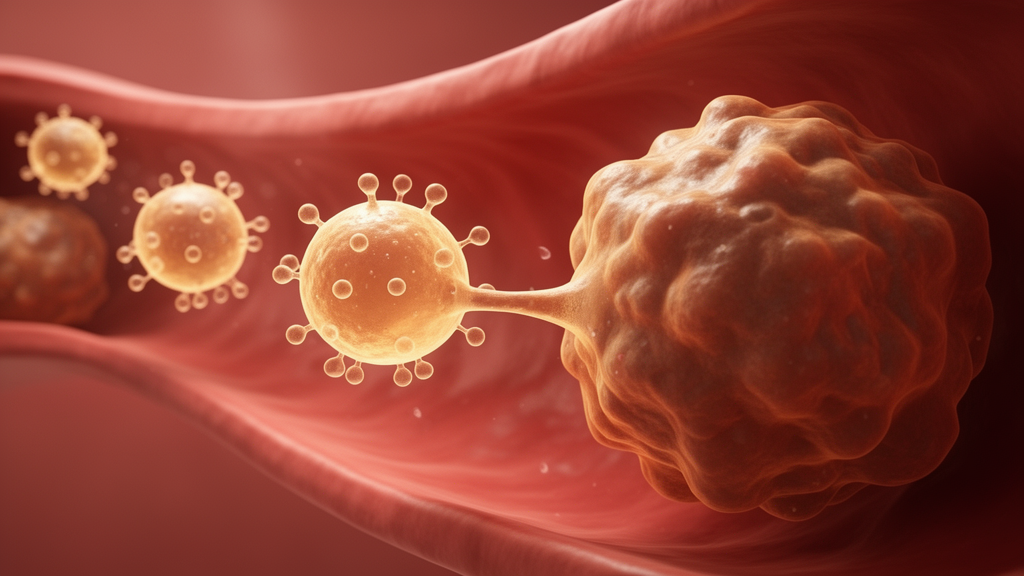
The reframing of mesenchymal stem and stromal cells as regulatory hubs rather than building blocks represents more than a semantic adjustment; it resolves a long-standing puzzle in the field. Early enthusiasm for MSCs in the 1990s and 2000s rested largely on in vitro experiments showing that these cells could differentiate into osteoblasts, chondrocytes, and adipocytes under the right culture conditions. When researchers transplanted them into injured tissues, however, the fraction of donor cells that actually engrafted and persisted proved remarkably small, often disappearing within days to weeks. If physical replacement were the dominant mechanism, such poor engraftment should have translated into negligible therapeutic benefit. Instead, dozens of preclinical models and a growing number of clinical trials continued to show measurable improvements in inflammation, fibrosis, and functional recovery. The paracrine and immunomodulatory explanation reconciles this apparent contradiction: the transplanted cells act briefly but powerfully as signaling stations, instructing resident cells and immune populations to reorganize the damaged environment, after which the donor cells themselves may vanish without compromising the outcome.
The concept of dynamic balance regulation deserves particular attention because it distinguishes MSCs from nearly every other class of therapeutic agent in clinical use. Conventional small molecules and biologics are designed around fixed pharmacological targets; an anti-inflammatory drug lowers inflammatory mediators whether or not inflammation is still useful to the host, and a growth factor stimulates proliferation regardless of the surrounding context. MSCs, by contrast, appear to read the local chemical and mechanical cues of their surroundings and adjust their secretome accordingly. In a pro-inflammatory, oxidative environment, they tend to release factors that suppress T-cell proliferation, polarize macrophages toward reparative phenotypes, and induce regulatory T-cell activity. In a quiescent or regenerative setting, the same cells can promote angiogenesis, matrix deposition, and progenitor cell expansion. This context sensitivity, sometimes described in the literature as a yin-yang mechanism, means that a single cell population can theoretically both calm a destructive immune storm and then support reconstruction once the danger has passed, a sequence that no single conventional drug can currently execute.
The observation that transplanted MSCs rapidly undergo apoptosis in the host environment, and that this programmed cell death is itself therapeutically active, is among the most consequential findings highlighted in the review. Apoptotic extracellular vesicles, or apoVs, are membrane-bound particles released by cells in the final stages of programmed death. Far from being cellular debris, these vesicles carry a curated cargo of proteins, lipids, nucleic acids, and organelle fragments that reflect the donor cell’s regulatory state at the moment of death. Studies across multiple tissue systems have shown that apoVs can reproduce many of the immunomodulatory and pro-regenerative effects previously attributed to living MSCs, including suppression of pathological inflammation, promotion of macrophage efferocytosis, and stimulation of endogenous stem cell activity in tissues such as bone, dental pulp, and skin. The recognition that the dying cell is, in effect, packaging its regulatory wisdom into vesicles reframes apoptosis not as a failure of therapy but as an essential phase of it.
This insight carries practical implications for how future therapies may be designed and manufactured. Living cell products face formidable obstacles: donor-to-donor variability, the risk of uncontrolled proliferation or ectopic engraftment, sensitivity to cryopreservation and transport, senescence during ex vivo expansion, and the logistical burden of maintaining viable cells until the moment of administration. Cell-free vesicle preparations, by contrast, can in principle be produced under controlled bioreactor conditions, characterized biochemically, sterilized, stored at defined temperatures, and dosed in a manner analogous to conventional biologics. They also sidestep some immune-compatibility concerns, since vesicles present a less complex antigenic surface than intact cells. The review’s emphasis on apoVs therefore points toward a manufacturing paradigm in which the therapeutic product is not the cell itself but the standardized output of a carefully orchestrated cell culture process, harvested at the apoptotic stage when the vesicle payload is richest.
Quality control and standardization will determine whether this promise survives contact with regulatory reality. The field of extracellular vesicle research has historically been hampered by heterogeneous isolation methods, including ultracentrifugation, size-exclusion chromatography, polymer-based precipitation, and ultrafiltration, each of which yields preparations with different purity, particle size distributions, and residual contaminant profiles. The MISEV guidelines, most recently updated in the 2023 edition, were developed by the International Society for Extracellular Vesicles to address exactly this problem, prescribing minimal experimental requirements for characterizing vesicle preparations, reporting particle and protein ratios, and avoiding overclaiming about vesicle-specific mechanisms when preparations may contain non-vesicular contaminants. For a therapeutic modality seeking regulatory approval, adherence to such frameworks is not optional; it is the difference between a reproducible medicine and an irreproducible biological extract. The review’s insistence on stringent Chemistry, Manufacturing, and Controls standards reflects an awareness that early inconsistencies in the MSC literature, where poorly characterized products produced conflicting trial results, damaged the field’s credibility for years.
The regulatory pathway itself deserves closer examination. In Europe, MSC-based products have been approved under the advanced therapy medicinal product framework, which demands full characterization of the cell source, manufacturing process, and clinical benefit-risk profile. Japan has taken a somewhat different route, with conditional and time-limited approvals that allow earlier market entry contingent on post-marketing evidence generation. The United States Food and Drug Administration, by contrast, has generally required that MSC products navigate the investigational new drug and biologics license application pathway, treating them as biological products subject to the full weight of clinical trial evidence requirements. This transatlantic divergence in regulatory philosophy has practical consequences: products available to patients in one jurisdiction may remain unavailable in another, and developers must design manufacturing and clinical strategies that can satisfy the strictest of the standards they intend to target. For MSC-derived vesicles, which are even newer as a product category, the regulatory template is still being written, and early engagement with agencies will likely shape the standards that later entrants must meet.
The integration of artificial intelligence into this therapeutic landscape, mentioned in the source material as a direction for optimized treatments, aligns with broader trends in biomedical engineering. Machine learning approaches are increasingly applied to predict donor cell potency from omics data, to identify culture conditions that maximize the yield and consistency of vesicle production, and to model the dose-response behavior of complex biological therapeutics that defy classical pharmacokinetic description. Because MSC regulatory effects are inherently multi-factorial and context-dependent, they are well suited to computational approaches that can integrate hundreds of variables simultaneously. An AI-optimized pipeline could, in principle, screen candidate donor lines for secretory profiles associated with specific disease indications, tune bioreactor parameters to steer vesicle cargo toward desired compositions, and even predict which patient subpopulations are most likely to respond based on the inflammatory state of their own microenvironment. Such stratification would address a persistent weakness of MSC trials to date, namely the enrollment of heterogeneous patient populations in which average treatment effects may mask meaningful responses in identifiable subgroups.
The clinical indications where this paradigm may first mature are those in which chronic inflammation and dysregulated repair are central features. Periodontal disease, craniofacial defects, and other oral-craniofacial conditions, areas where the research group behind the review has deep expertise, offer tractable models because the tissues are accessible, the inflammatory microenvironment is well characterized, and endogenous progenitor populations are known to persist in adult structures. Beyond the craniofacial domain, autoimmune disorders, graft-versus-host disease, inflammatory bowel disease, and various fibrotic conditions of the liver, lung, and kidney represent settings in which the immunomodulatory face of MSC activity is most relevant, while bone defects, wound healing, and ischemic tissues call upon the pro-regenerative face. The dynamic balance concept suggests that the same therapeutic platform could eventually serve across this spectrum, with the host microenvironment, rather than the product label, determining which regulatory program is activated.
Several scientific questions remain open as the field advances. The precise molecular identity of the factors that allow MSCs to sense their microenvironment in real time is only partially mapped; candidate mechanisms include toll-like receptor activation, cytokine receptor signaling, and mechanical sensing through integrins and the cytoskeleton. The dose-response relationship for vesicle therapies is similarly undefined, since vesicles do not behave like classical drugs and their persistence, biodistribution, and cellular uptake in vivo are still being characterized. Questions of source selection also persist: MSCs derived from bone marrow, adipose tissue, dental pulp, umbilical cord, and other tissues differ in secretory profile, immunogenicity, and expansion behavior, and no consensus has emerged on which source is optimal for which indication. Finally, the long-term safety of repeated vesicle administration, including any potential for immunogenicity against vesicle-associated antigens or unintended modulation of immune surveillance, will require dedicated study before chronic use can be contemplated.
What the review ultimately conveys is a maturing discipline that has moved past its initial reductionist assumptions and arrived at a more accurate, and more useful, understanding of how cell-based therapeutics actually work. The shift from viewing MSCs as replacement parts to viewing them as environmental engineers, and from transplanting living cells to deploying their standardized vesicular messengers, mirrors a broader evolution in medicine toward therapies that modulate systems rather than substitute for them. If the manufacturing, characterization, and regulatory frameworks described in the review can be established in practice, the result may be a class of treatments that harness the body’s own regenerative plasticity with a precision and safety profile that living cell transplants never quite achieved. The next decade of clinical translation will reveal whether this conceptual clarity, hard-won over decades of sometimes contradictory evidence, can be converted into reliable therapies for the complex diseases that have thus far resisted conventional approaches.
Subject of Research: Beyond cell transplants: The next frontier in mesenchymal stem/stromal cell therapy and regenerative medicine
Article Title: Beyond cell transplants: The next frontier in mesenchymal stem/stromal cell therapy and regenerative medicine
Article References: Beyond cell transplants: The next frontier in mesenchymal stem/stromal cell therapy and regenerative medicine. (n.d.). Original publication
Image Credits: AI Generated
DOI: Not provided
Keywords: Mesenchymal stem cells, Regenerative medicine, Extracellular vesicles, Cell-free therapy, Immunomodulation, Tissue repair, Stem cell therapy, Science Bulletin, Apoptotic bodies, Clinical translation, Beyond, cell
Cite Scienmag News
Drew Townsend. (October 18, 2026). Beyond cell transplants: The next frontier in mesenchymal stem/stromal cell therapy and regenerative medicine. Scienmag. https://scienmag.com/beyond-cell-transplants-the-next-frontier-in-mesenchymal-stem-stromal-cell-therapy-and-regenerative-medicine/
Drew Townsend. "Beyond cell transplants: The next frontier in mesenchymal stem/stromal cell therapy and regenerative medicine." Scienmag, 18 October 2026, https://scienmag.com/beyond-cell-transplants-the-next-frontier-in-mesenchymal-stem-stromal-cell-therapy-and-regenerative-medicine/. Accessed 18 October 2026.
Drew Townsend. "Beyond cell transplants: The next frontier in mesenchymal stem/stromal cell therapy and regenerative medicine." Scienmag. October 18, 2026. https://scienmag.com/beyond-cell-transplants-the-next-frontier-in-mesenchymal-stem-stromal-cell-therapy-and-regenerative-medicine/


