


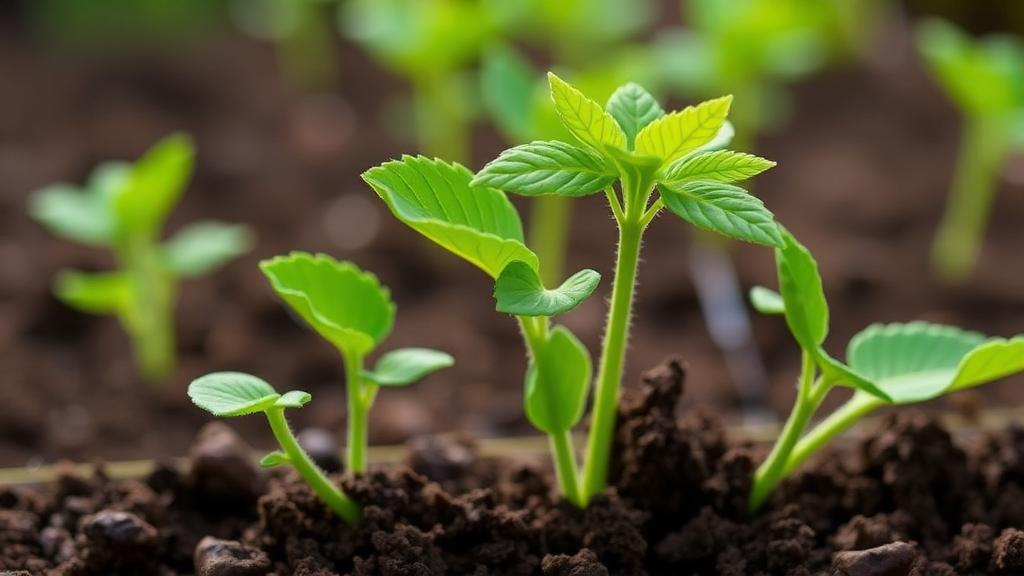
RNA has long been cast in a supporting role in molecular biology, a mere messenger shuttling instructions from DNA to the protein-making machinery of the cell. In plants, however, a sweeping new review argues that this view dramatically undersells the molecule. Published in SCIENCE CHINA Life Sciences, the comprehensive synthesis brings together sixteen leading experts to map how an enormous and diverse repertoire of RNA molecules actively governs plant growth, development, and the ways crops cope with heat, drought, disease, and other environmental stresses. The review arrives at a moment when the tools for studying RNA have matured rapidly, and it makes the case that understanding RNA regulation is now central to both fundamental plant science and the practical challenge of feeding a changing world.
The scale of RNA activity in plant cells is staggering. Eukaryotic genomes undergo pervasive, genome-wide transcription, generating far more RNA than is needed to encode proteins. These molecules are anything but silent players, the authors emphasize. Their activities are determined not only by their nucleotide sequences but also by multiple regulatory layers, including processing, turnover, chemical modifications, and three-dimensional folding, each contributing critically to how a plant ultimately looks and performs. Over the past decade, high-throughput sequencing, single-molecule sequencing, and precise genome editing have propelled plant RNA biology forward, deepening understanding of RNA regulatory mechanisms and functional networks to a degree that would have been unthinkable a generation ago.
The research paradigm itself has shifted. Plant RNA biology long centered on the model plant Arabidopsis thaliana, a small weed in the mustard family that has served as the workhorse of plant genetics for decades. The review documents how the field has now expanded to a wide range of vital crops, including rice, maize, and wheat. This migration from model organism to staple crop matters enormously for agriculture, because insights into RNA regulatory networks translate directly into genetic resources for crop improvement, including stress-resistant breeding, quality enhancement, and yield promotion. In-depth dissection of these intricate networks, the authors argue, improves the theoretical framework of plant molecular biology while providing critical foundations for applied breeding programs.
The review is structured into eight progressive modules that trace the regulatory mechanisms and agricultural potential of plant RNAs step by step. The first section follows the life cycle of messenger RNA, from its birth through splicing and 3-prime end formation to its eventual degradation. Alternative splicing, particularly intron retention, and 3-prime end processing emerge as key mechanisms shaping transcriptome diversity in plants. The authors also detail the 5-prime-to-3-prime and 3-prime-to-5-prime decay pathways that precisely regulate transcript stability, along with the sophisticated quality control systems that safeguard protein synthesis. These include nonsense-mediated decay, no-go decay, and nonstop decay, surveillance mechanisms that eliminate aberrant transcripts before they can wreak havoc on the cell.
Perhaps the most conceptually striking section redefines the biological functions of classical housekeeping non-coding RNAs, including ribosomal RNAs, transfer RNAs, small nucleolar RNAs, and small nuclear RNAs. For years, these molecules were viewed as humble infrastructure, participating only in translation and splicing. The review confirms that they do far more: they can respond to environmental signals, generate functional small RNAs, and participate in plant developmental regulation, stress adaptation, chromatin remodeling, and gene silencing. This reframing suggests that even the most familiar RNA species in the cell harbor regulatory capacities that remain largely untapped in crop science, a finding with significant implications for how researchers screen for agriculturally useful RNA functions.
Small RNAs and long non-coding RNAs receive their own dedicated treatments. The small RNA section elucidates the biogenesis pathways and action modes of microRNAs and various classes of small interfering RNAs, revealing that these molecules regulate plant growth, development, and stress responses through target cleavage, translational repression, and DNA methylation. The non-cell-autonomous movement of small RNAs between cells, and their cross-kingdom transport, are identified as core links connecting developmental regulation with stress adaptation. The long non-coding RNA section overturns the early perception of these transcripts as transcriptional noise, concluding that they participate in flowering, reproduction, root development, and stress responses through multiple strategies, including recruiting chromatin modification complexes, sequestering microRNAs, modulating protein activity, and even encoding functional small peptides.
Two emerging fields receive forward-looking coverage. The first is RNA higher-order structure, where cutting-edge in vivo structural profiling technologies are uncovering how RNA secondary structures influence splicing, translational regulation, and temperature sensing. The review highlights the value of TPP riboswitches and ribosnitches, sequence-variation-mediated RNA structural remodeling elements, in regulating crop agronomic traits. The second is the rapidly expanding field of RNA chemical modifications. The authors systematically summarize non-canonical cap structures such as m7G and NAD, and internal modifications including m6A, m5C, and ac4C, elaborating the writer, eraser, and reader protein systems that install, remove, and recognize these chemical tags. RNA modifications, they conclude, constitute a crucial post-transcriptional regulatory layer that extensively modulates plant development, immunity, and stress responses.
The agricultural payoff is where the review becomes most concrete. Artificial modification of microRNAs and long non-coding RNAs can effectively enhance crop yield, stress tolerance, and nutrient use efficiency. Beyond endogenous RNA manipulation, RNA interference technologies offer innovative and eco-friendly strategies for protecting crops from diseases and pests. Spray-induced gene silencing allows farmers to apply double-stranded RNA directly to plants, while microbe-induced gene silencing harnesses beneficial microorganisms to deliver silencing signals. Cross-kingdom RNAi mechanisms, in which small RNAs move between species, underpin these approaches. Together, they provide green alternatives to traditional chemical pesticides, overcoming the environmental limitations of conventional crop protection methods at a time when sustainable agriculture has become an urgent global priority.
The final module looks ahead, identifying the core challenges and opportunities that will define the next phase of plant RNA biology. The authors propose the necessity of dissecting the synergistic mechanisms among diverse RNA regulatory pathways, since no single RNA class operates in isolation. They call for advancing single-cell-level research on RNA dynamics, which would reveal how regulatory networks differ across the specialized cell types that make up plant tissues. They also point to ncRNA editing, RNA synthetic biology, novel RNAi technologies, and multi-tool combined gene editing systems as sources of brand-new technical support for precision plant breeding and the development of green, sustainable agriculture.
Taken as a whole, the review bridges a persistent gap between fundamental theoretical research on plant RNAs and practical agricultural application. It provides important theoretical references and frontier directions for deciphering plant RNA regulatory networks, addressing food security, and promoting the high-quality development of sustainable agriculture. The collaboration of sixteen experts across institutions including Tsinghua University, Sun Yat-sen University, Southern University of Science and Technology, the Chinese Academy of Sciences, Peking University, and Fudan University reflects the maturity the field has reached. As climate change intensifies pressure on global crop production, the ability to read, understand, and ultimately engineer the RNA regulatory landscape of plants may prove one of the most consequential tools in modern agricultural science.
Subject of Research: RNA regulatory mechanisms in plants and their application to crop improvement
Article Title: New comprehensive review maps the RNA regulatory landscape in plants
Article References: New comprehensive review maps the RNA regulatory landscape in plants. (n.d.). Original publication
Image Credits: AI Generated
DOI: Not provided
Keywords: plant RNA biology, non-coding RNAs, microRNAs, RNA modifications, m6A, RNA interference, alternative splicing, lncRNAs, small RNAs, crop improvement, food security, sustainable agriculture
Cite Scienmag News
Alan Morgan. (October 4, 2026). Plant RNA Regulation Mapped in Landmark Review for Crop Improvement. Scienmag. https://scienmag.com/plant-rna-regulation-mapped-in-landmark-review-for-crop-improvement/
Alan Morgan. "Plant RNA Regulation Mapped in Landmark Review for Crop Improvement." Scienmag, 4 October 2026, https://scienmag.com/plant-rna-regulation-mapped-in-landmark-review-for-crop-improvement/. Accessed 4 October 2026.
Alan Morgan. "Plant RNA Regulation Mapped in Landmark Review for Crop Improvement." Scienmag. October 4, 2026. https://scienmag.com/plant-rna-regulation-mapped-in-landmark-review-for-crop-improvement/


