


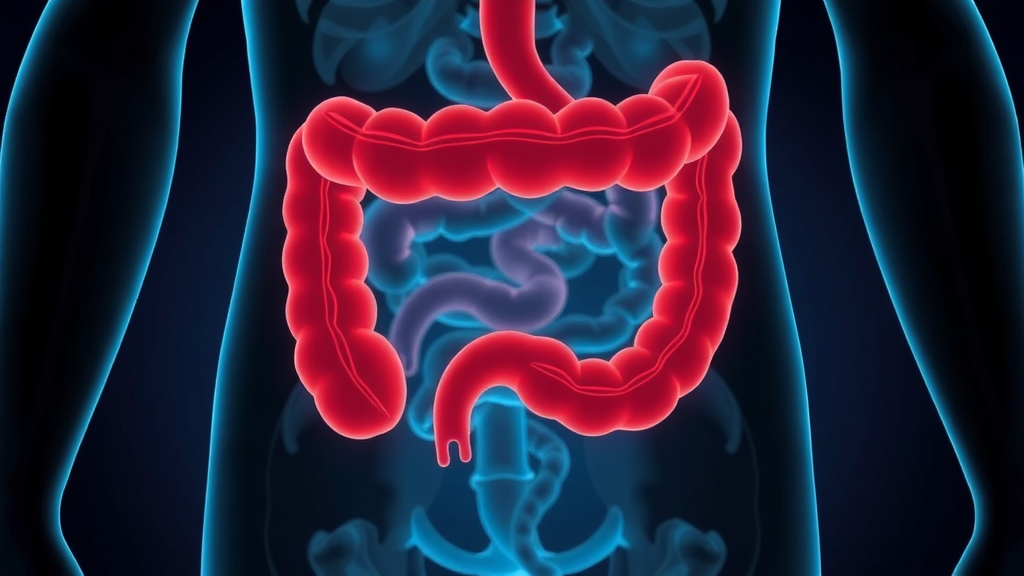
Inflammatory bowel disease, which includes Crohn’s disease and ulcerative colitis, affects millions of people worldwide and is defined in large part by a broken intestinal barrier. When the single layer of epithelial cells lining the gut loses its tight junction architecture and its protective mucus coating, bacterial antigens and microbial products slip into the underlying tissue, igniting chronic inflammation that in turn damages the barrier further. A comprehensive review published in MicrobiologyOpen argues that this self-perpetuating cycle may be interrupted by an unexpected group of players: bacteria living in the gut that convert dietary tryptophan into signaling molecules capable of restoring the very barrier that inflammation destroys.
The review, authored by Mohammad Ali Mahdiabadi, Asma Moghaddam, and Nafiseh Erfanian, synthesizes evidence that microbiome-derived tryptophan metabolites act as endogenous ligands for the aryl hydrocarbon receptor, or AhR, a transcription factor long studied as a sensor of environmental toxins but now recognized as a central regulator of intestinal homeostasis. In its resting state, AhR sits in the cytoplasm bound to a complex of chaperone proteins. When a ligand binds, the receptor moves into the nucleus, pairs with the AhR nuclear translocator, and switches on genes involved in epithelial maintenance, immune regulation, and detoxification. The gut bacteria supply a steady stream of these ligands: indole-3-aldehyde, indole-3-propionic acid, indole-3-lactic acid, and indole-3-acetic acid, all produced from tryptophan by enzymes such as tryptophanase distributed across Lactobacillus, Clostridium, Bifidobacterium, Bacteroides, and Escherichia coli species.
The foundational observation came from Zelante and colleagues in 2013, who showed that when dietary tryptophan is plentiful, gut lactobacilli shift toward tryptophan catabolism and produce indole-3-aldehyde, which drives AhR-dependent production of interleukin-22. This cytokine, secreted by innate lymphoid cells type 3 and T helper 17 cells, promotes epithelial regeneration, antimicrobial peptide output, and goblet cell function. Later work extended the template to tight junction preservation, mucus maintenance, and intestinal stem cell renewal, establishing the microbiota-tryptophan-AhR axis as a mechanistic linchpin of mucosal health.
Each major metabolite has now been dissected in preclinical colitis models. Indole-3-aldehyde, produced notably by Lactobacillus reuteri, reduces inflammatory cytokines such as interleukin-6, restores the tight junction proteins zonula occludens-1 and occludin, and improves measures of barrier integrity in dextran sulfate sodium colitis. Interestingly, two studies report different degrees of AhR dependence: one found the protection only partially dependent on the receptor, while a more recent analysis documented a strictly AhR- and AMPK-dependent mechanism, with efficacy nearly abolished by receptor inhibition. The discrepancy, the review suggests, likely reflects differences in dosing, treatment duration, and model responsiveness rather than contradictory biology, underscoring that receptor dependence is not an all-or-none property even for a single ligand.
Indole-3-propionic acid, efficiently produced by Clostridium sporogenes, restores tight junction proteins and induces interleukin-22 in ulcerative colitis models, and metabolomic studies consistently find it depleted in IBD patients in correlation with disease severity. Yet its pharmacology is complicated: recent work indicates it can also act directly on heat shock protein 70 to trigger apoptosis of inflammatory Th1 and Th17 cells, independently of AhR or the pregnane X receptor it additionally engages. Indole-3-lactic acid from Lactiplantibacillus plantarum activates both AhR and the antioxidant regulator Nrf2 while suppressing nuclear factor-kappa B, coordinating barrier protection and anti-inflammatory signaling through a single metabolite. Indole-3-acetic acid, by contrast, retains anti-inflammatory activity even when AhR is pharmacologically blocked, showing that at least some protective effects of the indole class operate through receptor-independent routes such as heme oxygenase-1 induction and free radical scavenging.
Downstream of AhR, the review maps an integrated signaling network rather than a simple linear cascade. The AhR-AMPK axis links metabolite sensing to autophagy and mitochondrial resilience in epithelial cells. AhR-Nrf2 crosstalk, though not a strictly hierarchical relationship, induces antioxidant enzymes including superoxide dismutase, catalase, and heme oxygenase-1, blunting the oxidative stress that drives NF-kappa B activation. AhR signaling also directly induces interleukin-22 transcription in immune cells and upregulates the interleukin-10 receptor on epithelia, amplifying anti-inflammatory STAT3 signaling. Finally, AhR-dependent reduction of myosin light chain phosphorylation relaxes the actomyosin cytoskeleton, easing junctional tension and lowering paracellular permeability, the hallmark of the so-called leaky gut.
The review’s most conceptually important contribution may be its insistence that this axis is bidirectional. Active inflammation induces indoleamine 2,3-dioxygenase 1, which diverts tryptophan away from microbial indole synthesis and into the host kynurenine pathway, further depleting protective AhR ligands precisely when the barrier needs them most. Dysbiosis in IBD simultaneously strips away the metabolite-producing taxa themselves, including Lactobacillus, Clostridium clusters, and Allobaculum species. The result is a self-reinforcing loop in which inflammation suppresses the very metabolites that would repair the tissue damage inflammation causes, and CARD9 deficiency, a human genetic risk factor for Crohn’s disease, has been shown to impair this axis by reducing AhR ligand-producing commensals.
Crucially, the authors caution that AhR activation is not uniformly beneficial. Microbial indoles are weak, rapidly metabolized agonists that produce the transient, low-amplitude receptor engagement compatible with tissue repair. Host-derived kynurenine metabolites, or sustained high-affinity activation by compounds such as dioxin, can drive immunosuppressive, barrier-impairing, or even pro-tumorigenic programs. Cell-type-specific transcriptional landscapes add further complexity, and in autoimmune models high-affinity ligands can promote Th17 differentiation, a potentially inflammation-amplifying outcome whose relevance for microbiota-derived indoles remains incompletely characterized. Therapeutic strategies, the review argues, must therefore be ligand-selective, replicating physiological kinetics rather than broadly amplifying AhR signaling.
On the translational front, human evidence remains supportive but limited. Multiple metabolomic cohorts have independently confirmed reduced fecal indole-3-acetate and indole-3-propionate in IBD patients, and direct tissue studies show that AhR expression is reduced in IBD mucosa while remaining functionally responsive to agonist stimulation. A randomized trial of indigo naturalis, an AhR-ligand preparation, achieved significant mucosal healing in ulcerative colitis but was halted early over pulmonary safety concerns, providing proof of concept without an approved therapy. No randomized human trial has yet tested purified indole metabolites, defined probiotic strains, or postbiotic formulations targeting this axis, and most mechanistic data derive from the acute DSS colitis model, which poorly replicates the chronic, immune-mediated pathology of human disease.
The authors propose postbiotics, standardized preparations of purified metabolites such as indole-3-aldehyde, indole-3-propionic acid, and indole-3-lactic acid, as the most practical near-term strategy, offering dose standardization, stability, and direct mechanistic targeting compared with live probiotics. Compounds such as berberine and ganoderic acid A, which enhance endogenous microbial tryptophan metabolism, represent indirect alternatives. But the review closes with measured language: targeting the microbial tryptophan-AhR axis is biologically compelling yet clinically unproven, and its translation will depend on well-designed interventional trials, standardized metabolomic methodology, careful attention to ligand selectivity, and honest reckoning with the feedback loop through which inflammation itself sabotages the repair machinery. Until those data arrive, the trillions of bacteria metabolizing a single dietary amino acid remain both the most promising and the least clinically validated allies in the fight against inflammatory bowel disease.
Subject of Research: Microbiome-derived tryptophan metabolites as ligands of the aryl hydrocarbon receptor that regulate epithelial barrier integrity in inflammatory bowel disease.
Article Title: Microbiome‐Derived Tryptophan Metabolites Regulate AhR Signaling to Restore Epithelial Barrier Integrity in Inflammatory Bowel Disease
Article References: Mahdiabadi, M. A., Moghaddam, A., & Erfanian, N. (2026). Microbiome‐Derived Tryptophan Metabolites Regulate AhR Signaling to Restore Epithelial Barrier Integrity in Inflammatory Bowel Disease. MicrobiologyOpen, 15(5), Article e70386. https://doi.org/10.1002/mbo3.70386
Image Credits: AI Generated
DOI: 10.1002/mbo3.70386
Keywords: inflammatory bowel disease, gut microbiome, tryptophan metabolism, aryl hydrocarbon receptor, indole metabolites, epithelial barrier, tight junctions, interleukin-22, postbiotics, dysbiosis, microbiome-targeted therapy, Microbiome
Cite Scienmag News
Morgan Morrow. (September 12, 2026). Gut Bacteria’s Tryptophan Byproducts May Repair the Intestine in IBD. Scienmag. https://scienmag.com/gut-bacterias-tryptophan-byproducts-may-repair-the-intestine-in-ibd/
Morgan Morrow. "Gut Bacteria’s Tryptophan Byproducts May Repair the Intestine in IBD." Scienmag, 12 September 2026, https://scienmag.com/gut-bacterias-tryptophan-byproducts-may-repair-the-intestine-in-ibd/. Accessed 12 September 2026.
Morgan Morrow. "Gut Bacteria’s Tryptophan Byproducts May Repair the Intestine in IBD." Scienmag. September 12, 2026. https://scienmag.com/gut-bacterias-tryptophan-byproducts-may-repair-the-intestine-in-ibd/


