


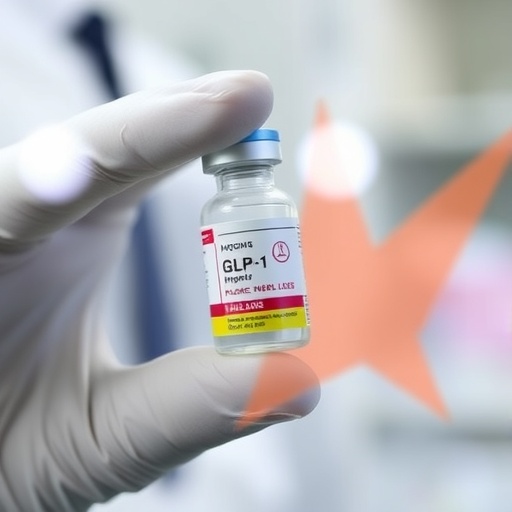
GLP-1 drug shortages may be easing, but a new investigation suggests the compounding landscape has not stood still. After supply disruptions for semaglutide and tirzepatide ended, facilities continued producing glucagon-like peptide-1 receptor agonists (GLP-1 RAs) using compounded formulations that include added ingredients, according to a study published in JAMA Health Forum (doi:10.1001/jamahealthforum.2026.2207).
Researchers report that compounded GLP-1 RA sourcing is highly variable. Some production sources appear to rely on diverse supply chains, raising questions about how consistent active ingredients and manufacturing controls remain across sites. For patients using these therapies—or considering them—differences in composition could matter, particularly when drugs are intended for chronic use.
A central finding is regulatory and quality concern. The study highlights compounding facilities that lack appropriate licenses to perform sterile compounding, as well as facilities that have faced recent disciplinary action. Together, these issues create clinical and regulatory challenges that extend beyond paperwork to potential patient safety implications.
From a technical standpoint, sterile compounding is essential for injectable medications because contamination risks can translate directly into infection and other serious complications. When licensing is absent, or oversight has been weakened, standardization of sterility assurance and quality control becomes less reliable.
The investigators also emphasize the broader policy tension revealed by the shortages. When commercially manufactured GLP-1 products are constrained, compounded alternatives may rapidly expand to fill demand, sometimes faster than regulatory systems can adapt.
For health authorities, the report signals the need to monitor compounded GLP-1 RAs with sharper attention to licensing status and enforcement history. For clinicians, it underscores the importance of understanding where compounded injectables come from and what they contain.
For patients, the study’s message is simple but urgent: not all “GLP-1” offerings are built the same way. Added ingredients, differing sourcing, and uneven compliance could influence both safety and effectiveness.
Media inquiries for the embargoed study are directed through JAMA Network communications, with the corresponding author listed as Michael J. DiStefano, PhD, at cuanschutz.edu.
Cite Scienmag News
Ophelia Keating. (July 17, 2026). GLP-1 Shortage Deepens in Two States as Demand Remains High. Scienmag. https://scienmag.com/glp-1-shortage-deepens-in-two-states-as-demand-remains-high/
Ophelia Keating. "GLP-1 Shortage Deepens in Two States as Demand Remains High." Scienmag, 17 July 2026, https://scienmag.com/glp-1-shortage-deepens-in-two-states-as-demand-remains-high/. Accessed 4 September 2026.
Ophelia Keating. "GLP-1 Shortage Deepens in Two States as Demand Remains High." Scienmag. July 17, 2026. https://scienmag.com/glp-1-shortage-deepens-in-two-states-as-demand-remains-high/


