


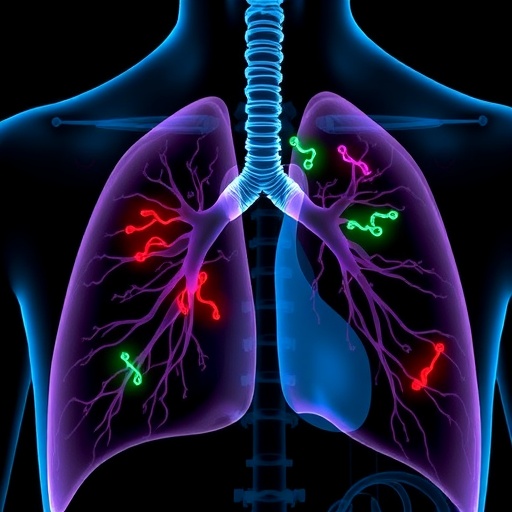
Texas A&M researchers report that two endogenous microRNAs—microRNA-15a and microRNA-16—can restrain non-small cell lung cancer (NSCLC) cell growth by reshaping cellular protein control. In a new experimental study, restoring these small regulatory RNAs reduced both proliferation and protein synthesis, suggesting a route to slow tumor progression without directly “killing” cells.
MicroRNAs function as post-transcriptional regulators: they fine-tune which proteins cells produce and, by doing so, help maintain protein homeostasis (proteostasis). Proteostasis supports proper folding, turnover, and balance of the proteome; when it collapses, cells can shift toward dysfunctional survival programs—an enabling step in cancer.
The work centers on the idea that microRNAs act like molecular traffic lights for cell-state decisions. According to the study’s lead investigator, disrupting proteostasis is a key reason many cancer cells become cancerous. By reintroducing microRNA-15a and microRNA-16 into NSCLC cells, the researchers observed a partial re-establishment of normal regulatory constraints that control metabolism and growth.
Mechanistically, the approach targets signaling downstream of gene expression rather than a single oncogenic protein. This matters because cancer frequently reflects network failures: when multiple “brakes” on cell division are removed, cells can enter a self-reinforcing cycle of growth. MicroRNA replacement appears to restore some of these brakes by altering proteostasis-related pathways.
The investigators emphasize translational caution. The results do not claim cure; instead, they propose that microRNA-based therapy might arrest or slow disease enough to create time for combination treatment. In clinical oncology, such time could improve the effectiveness of surgery, radiation, or pharmacologic regimens delivered later.
The microRNAs were not initially discovered in cancer research. Fluckey’s lab began with skeletal muscle biology, where microRNAs help regulate muscle growth, protein turnover, and insulin sensitivity. Building on those observations, the team suspected the same regulatory RNAs might influence tumor behavior.
Future therapy development will likely require delivery systems that preferentially enter cancer cells while limiting exposure to healthy tissue. One envisioned strategy uses engineered viral vectors to deliver therapeutic genetic material carrying the microRNA program.
The study also highlights the value of cross-disciplinary collaboration within Texas A&M, linking investigators with complementary expertise to generate new experimental directions.
Cite Scienmag News
Nathaniel Bowman. (July 16, 2026). Researchers Test Tiny Molecules to Slow Lung Cancer Progression. Scienmag. https://scienmag.com/researchers-test-tiny-molecules-to-slow-lung-cancer-progression/
Nathaniel Bowman. "Researchers Test Tiny Molecules to Slow Lung Cancer Progression." Scienmag, 16 July 2026, https://scienmag.com/researchers-test-tiny-molecules-to-slow-lung-cancer-progression/. Accessed 3 September 2026.
Nathaniel Bowman. "Researchers Test Tiny Molecules to Slow Lung Cancer Progression." Scienmag. July 16, 2026. https://scienmag.com/researchers-test-tiny-molecules-to-slow-lung-cancer-progression/


