


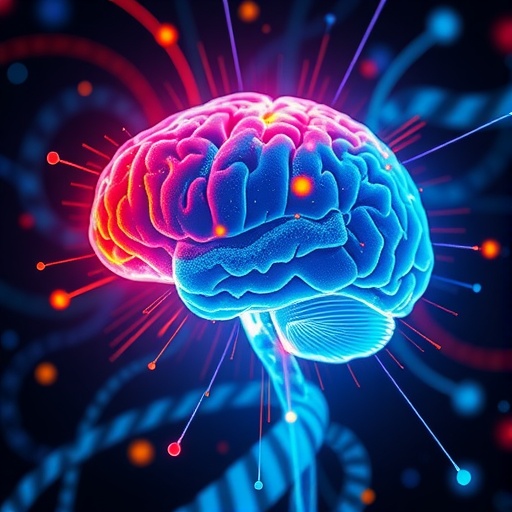
In a groundbreaking study published in Translational Psychiatry, researchers have unveiled the brain-targeted epigenetic effects of two powerful psychoplastogens: ketamine and MDMA. These compounds, already known for their rapid-acting antidepressant and psychoactive properties, are now shown to induce profound changes at the molecular level, offering new insight into their therapeutic potential.
Ketamine and MDMA have attracted significant attention in recent years for their potential to reshape neural circuits and treat psychiatric conditions such as depression and PTSD. The latest research advances this understanding by focusing on the epigenetic modifications these substances evoke in the brain—alterations in gene expression that do not involve changes to the underlying DNA sequence but can dramatically influence neuronal function and plasticity.
The study employed high-resolution genomic mapping to analyze changes in DNA methylation patterns across critical brain regions associated with mood regulation and cognitive function. Findings revealed that both ketamine and MDMA modulate the epigenome in a targeted manner, enhancing synaptic connectivity and neuroplasticity. These epigenetic shifts are believed to underpin the sustained mood enhancements and cognitive flexibility observed in clinical settings.
What distinguishes these psychoplastogens is their ability to promote rapid remodeling of neuronal circuits. Traditionally, antidepressants require weeks to exert effects, whereas ketamine and MDMA trigger molecular cascades that quickly unlock synaptic pathways involved in emotional regulation. The epigenetic rewiring observed suggests that these drugs not only provide symptomatic relief but also potentially reprogram the brain toward more resilient states.
Further, the researchers identified distinct epigenetic signatures unique to each compound, highlighting differential mechanisms of action despite some overlapping therapeutic outcomes. While ketamine predominantly influenced genes related to glutamate neurotransmission and synaptic remodeling, MDMA’s effects skewed toward pathways involved in serotonin release and neuroinflammation reduction.
These molecular insights open new avenues for developing next-generation psychoplastogens that can harness similar epigenetic remodeling with improved specificity and fewer side effects. Understanding the precise gene targets and epigenetic landscapes altered by such compounds is crucial for optimizing their therapeutic efficacy and safety profiles.
The study also underscores the importance of epigenetics in psychiatric disorder treatment paradigms. By moving beyond traditional neurotransmitter-centric models to integrate gene regulation frameworks, clinicians may better predict treatment responses and personalize interventions based on epigenomic biomarkers.
Looking ahead, the researchers advocate for expanding investigations into the longevity of these epigenetic changes and their behavioral correlates. Long-term studies could clarify how sustained neuroplasticity impacts relapse rates and overall mental health recovery trajectories.
This seminal research not only confirms ketamine and MDMA as potent modulators of brain function at the epigenetic level but also sets the stage for a new era in neuropsychiatric therapeutics, where gene expression remodeling becomes a key strategy in combating mental illness.
Cite Scienmag News
Juliet Wilcox. (July 11, 2026). Epigenetic Brain Effects of Ketamine and MDMA as Psychoplastogens. Scienmag. https://scienmag.com/epigenetic-brain-effects-of-ketamine-and-mdma-as-psychoplastogens/
Juliet Wilcox. "Epigenetic Brain Effects of Ketamine and MDMA as Psychoplastogens." Scienmag, 11 July 2026, https://scienmag.com/epigenetic-brain-effects-of-ketamine-and-mdma-as-psychoplastogens/. Accessed 4 September 2026.
Juliet Wilcox. "Epigenetic Brain Effects of Ketamine and MDMA as Psychoplastogens." Scienmag. July 11, 2026. https://scienmag.com/epigenetic-brain-effects-of-ketamine-and-mdma-as-psychoplastogens/


