

Saturday, July 11, 2026
Science
No Result
View All Result
  • Login
  • HOME
  • SCIENCE NEWS
  • CONTACT US
  • HOME
  • SCIENCE NEWS
  • CONTACT US
No Result
View All Result
Scienmag
No Result
View All Result
Home Science News Psychology & Psychiatry

Epigenetic Brain Effects of Ketamine and MDMA as Psychoplastogens

July 11, 2026
in Psychology & Psychiatry
Reading Time: 2 mins read
0
Epigenetic Brain Effects of Ketamine and MDMA as Psychoplastogens

Epigenetic Brain Effects of Ketamine and MDMA as Psychoplastogens

65
SHARES
587
VIEWS
Share on FacebookShare on Twitter
ADVERTISEMENT

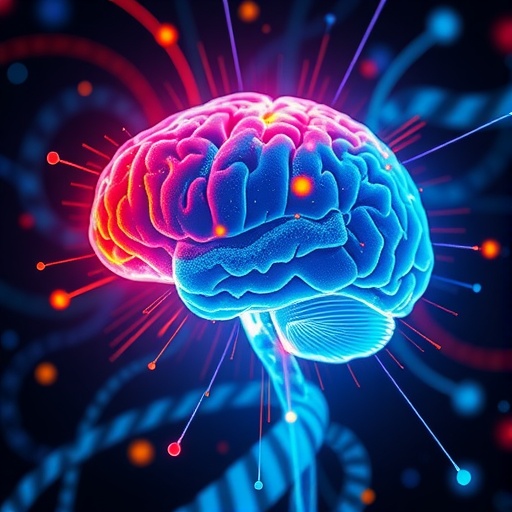
In a groundbreaking study published in Translational Psychiatry, researchers have unveiled the brain-targeted epigenetic effects of two powerful psychoplastogens: ketamine and MDMA. These compounds, already known for their rapid-acting antidepressant and psychoactive properties, are now shown to induce profound changes at the molecular level, offering new insight into their therapeutic potential.

Ketamine and MDMA have attracted significant attention in recent years for their potential to reshape neural circuits and treat psychiatric conditions such as depression and PTSD. The latest research advances this understanding by focusing on the epigenetic modifications these substances evoke in the brain—alterations in gene expression that do not involve changes to the underlying DNA sequence but can dramatically influence neuronal function and plasticity.

The study employed high-resolution genomic mapping to analyze changes in DNA methylation patterns across critical brain regions associated with mood regulation and cognitive function. Findings revealed that both ketamine and MDMA modulate the epigenome in a targeted manner, enhancing synaptic connectivity and neuroplasticity. These epigenetic shifts are believed to underpin the sustained mood enhancements and cognitive flexibility observed in clinical settings.

What distinguishes these psychoplastogens is their ability to promote rapid remodeling of neuronal circuits. Traditionally, antidepressants require weeks to exert effects, whereas ketamine and MDMA trigger molecular cascades that quickly unlock synaptic pathways involved in emotional regulation. The epigenetic rewiring observed suggests that these drugs not only provide symptomatic relief but also potentially reprogram the brain toward more resilient states.

Further, the researchers identified distinct epigenetic signatures unique to each compound, highlighting differential mechanisms of action despite some overlapping therapeutic outcomes. While ketamine predominantly influenced genes related to glutamate neurotransmission and synaptic remodeling, MDMA’s effects skewed toward pathways involved in serotonin release and neuroinflammation reduction.

These molecular insights open new avenues for developing next-generation psychoplastogens that can harness similar epigenetic remodeling with improved specificity and fewer side effects. Understanding the precise gene targets and epigenetic landscapes altered by such compounds is crucial for optimizing their therapeutic efficacy and safety profiles.

The study also underscores the importance of epigenetics in psychiatric disorder treatment paradigms. By moving beyond traditional neurotransmitter-centric models to integrate gene regulation frameworks, clinicians may better predict treatment responses and personalize interventions based on epigenomic biomarkers.

Looking ahead, the researchers advocate for expanding investigations into the longevity of these epigenetic changes and their behavioral correlates. Long-term studies could clarify how sustained neuroplasticity impacts relapse rates and overall mental health recovery trajectories.

This seminal research not only confirms ketamine and MDMA as potent modulators of brain function at the epigenetic level but also sets the stage for a new era in neuropsychiatric therapeutics, where gene expression remodeling becomes a key strategy in combating mental illness.


Subject of Research: Brain-targeted epigenetic effects of ketamine and MDMA

Article Title: Brain-targeted epigenetic effects of two emerging psychoplastogens: ketamine & MDMA

Article References: Semple, M.G., Mennenga, S.E., Smith, R. et al. Brain-targeted epigenetic effects of two emerging psychoplastogens: ketamine & MDMA. Transl Psychiatry (2026). https://doi.org/10.1038/s41398-026-04191-3

Image Credits: AI Generated

DOI: https://doi.org/10.1038/s41398-026-04191-3

Tags: DNA methylation changes in psychiatric treatmentepigenetic mechanisms of rapid-acting antidepressantsepigenome targeting in depression and PTSD therapygene expression regulation in brain plasticityhigh-resolution genomic mapping of brain epigeneticsketamine and MDMA epigenetic modificationsmolecular basis of psychoplastneural circuit remodeling by psychoplastogensneuroplasticity enhancement through epigenetic shiftspsychoplastogen-induced neural plasticitytherapeutic potential of ketamine and MDMA in mental health
Share26Tweet16
Previous Post

Single-Cell Multi-Omics Reveals Cancer-Associated Fibroblast Programs in Breast Cancer

Next Post

Evaluating Geriatric Assessment and Interventions for Prostate Cancer Patients on ADT

Related Posts

Brain Connectivity Shifts in OCD After Exposure and Response Therapy
Psychology & Psychiatry

Brain Connectivity Shifts in OCD After Exposure and Response Therapy

July 11, 2026
Data-Driven Autism Subtyping Advances Understanding Across Multiple Levels
Psychology & Psychiatry

Data-Driven Autism Subtyping Advances Understanding Across Multiple Levels

July 11, 2026
Polygenic Risk Scores Linked to Social Anxiety Disorder Subtypes
Psychology & Psychiatry

Polygenic Risk Scores Linked to Social Anxiety Disorder Subtypes

July 11, 2026
Deep Learning Predicts Antidepressant Response from Electronic Health Records
Psychology & Psychiatry

Deep Learning Predicts Antidepressant Response from Electronic Health Records

July 11, 2026
Stress-Coping Traits Influence Fat Tissue Function and Metabolic Resilience
Psychology & Psychiatry

Stress-Coping Traits Influence Fat Tissue Function and Metabolic Resilience

July 10, 2026
Disrupted Brain Signal Balance Tied to Symptoms and Cognition in Schizophrenia
Psychology & Psychiatry

Disrupted Brain Signal Balance Tied to Symptoms and Cognition in Schizophrenia

July 10, 2026
Next Post
Evaluating Geriatric Assessment and Interventions for Prostate Cancer Patients on ADT

Evaluating Geriatric Assessment and Interventions for Prostate Cancer Patients on ADT

  • Mothers who receive childcare support from maternal grandparents show more

    Mothers who receive childcare support from maternal grandparents show more parental warmth, finds NTU Singapore study

    27656 shares
    Share 11059 Tweet 6912
  • University of Seville Breaks 120-Year-Old Mystery, Revises a Key Einstein Concept

    1061 shares
    Share 424 Tweet 265
  • Bee body mass, pathogens and local climate influence heat tolerance

    682 shares
    Share 273 Tweet 171
  • Researchers record first-ever images and data of a shark experiencing a boat strike

    546 shares
    Share 218 Tweet 137
  • Groundbreaking Clinical Trial Reveals Lubiprostone Enhances Kidney Function

    531 shares
    Share 212 Tweet 133
Science

Embark on a thrilling journey of discovery with Scienmag.com—your ultimate source for cutting-edge breakthroughs. Immerse yourself in a world where curiosity knows no limits and tomorrow’s possibilities become today’s reality!

RECENT NEWS

  • Assessing Net-Zero Potential of Offshore Oil Platforms under New Policies
  • Evaluating Geriatric Assessment and Interventions for Prostate Cancer Patients on ADT
  • Epigenetic Brain Effects of Ketamine and MDMA as Psychoplastogens
  • Single-Cell Multi-Omics Reveals Cancer-Associated Fibroblast Programs in Breast Cancer

Categories

  • Agriculture
  • Anthropology
  • Archaeology
  • Athmospheric
  • Biology
  • Biotechnology
  • Blog
  • Bussines
  • Cancer
  • Chemistry
  • Climate
  • Earth Science
  • Editorial Policy
  • Marine
  • Mathematics
  • Medicine
  • Pediatry
  • Policy
  • Psychology & Psychiatry
  • Science Education
  • Social Science
  • Space
  • Technology and Engineering

Subscribe to Blog via Email

Enter your email address to subscribe to this blog and receive notifications of new posts by email.

Join 5,146 other subscribers

© 2025 Scienmag - Science Magazine

Welcome Back!

Login to your account below

Forgotten Password?

Retrieve your password

Please enter your username or email address to reset your password.

Log In
No Result
View All Result
  • HOME
  • SCIENCE NEWS
  • CONTACT US

© 2025 Scienmag - Science Magazine

Discover more from Science

Subscribe now to keep reading and get access to the full archive.

Continue reading
