

Saturday, July 11, 2026
Science
No Result
View All Result
  • Login
  • HOME
  • SCIENCE NEWS
  • CONTACT US
  • HOME
  • SCIENCE NEWS
  • CONTACT US
No Result
View All Result
Scienmag
No Result
View All Result
Home Science News Psychology & Psychiatry

Stress-Coping Traits Influence Fat Tissue Function and Metabolic Resilience

July 10, 2026
in Psychology & Psychiatry
Reading Time: 2 mins read
0
Stress-Coping Traits Influence Fat Tissue Function and Metabolic Resilience

Stress-Coping Traits Influence Fat Tissue Function and Metabolic Resilience

65
SHARES
587
VIEWS
Share on FacebookShare on Twitter
ADVERTISEMENT

New Research Unveils How Stress-Coping Styles Impact Fat Tissue and Metabolic Health

In a groundbreaking study published in Translational Psychiatry, researchers have discovered that individual differences in stress-coping phenotypes significantly influence the function and plasticity of adipose tissue, shedding new light on the biological underpinnings of metabolic resilience. This novel insight may pave the way for personalized therapeutic strategies targeting obesity and metabolic disorders linked to stress responses.

Stress, a pervasive factor affecting millions globally, is known to impact various physiological systems, including metabolism. However, the mechanisms linking psychological stress coping to metabolic health have remained elusive. The recent study addresses this gap by demonstrating that distinct stress-coping styles are associated with specific alterations in adipose tissue biology, thereby modulating an individual’s susceptibility or resilience to metabolic diseases.

The research team employed sophisticated molecular and cellular techniques to analyze how adipose tissue—commonly known as body fat—responds to stress in subjects exhibiting different coping phenotypes. Their findings reveal that these phenotypes not only shape the capacity of adipose tissue to expand or contract but also alter its metabolic functions, such as lipid storage and energy expenditure. The plastic nature of adipose tissue, previously appreciated mainly in the context of weight gain and loss, now appears intricately linked to psychological stress management styles.

Central to their discoveries is the observation that adaptive coping mechanisms correlate with enhanced adipose tissue flexibility and healthier metabolic profiles. In contrast, maladaptive coping styles are linked to impaired adipose tissue function, fostering an environment prone to inflammation and insulin resistance. These functional differences underscore the bidirectional relationship between the brain’s stress response systems and peripheral metabolic tissues.

Utilizing advanced transcriptomic analyses, the study identified gene expression patterns within adipose tissue that vary according to stress-coping behavior. These genetic signatures highlight pathways involved in inflammation, cellular remodeling, and energy metabolism. Moreover, the work indicates that modifying stress-coping behaviors could potentially recalibrate adipose tissue function, suggesting a novel avenue for intervention.

This research aligns with a growing body of evidence that psychosocial factors are critical determinants in metabolic health, complementing traditional focuses on diet and exercise. By integrating psychological phenotyping with metabolic profiling, the study offers a holistic view of how mind and body interact to influence disease vulnerability and health outcomes.

Experts anticipate that these findings will influence future clinical practices, encouraging the inclusion of stress management and behavioral assessments in metabolic disorder treatment plans. In addition, pharmaceutical research may benefit by targeting molecular pathways identified in adipose tissue that respond to stress-coping styles.

As the global burden of obesity and metabolic syndrome continues to rise, elucidating the biological impact of psychological stress coping provides a promising insight into personalized medicine. This study not only advances our understanding of stress biology but also opens doors for innovative approaches to combat metabolic diseases through integrated mental and physical health strategies.

Subject of Research:
Article Title:
Article References: Mehta, S.K., Ben-Shachar, M., Govindaraj, S. et al. Stress-coping phenotypes shape adipose tissue function and plasticity and modulate metabolic resilience. Transl Psychiatry (2026). https://doi.org/10.1038/s41398-026-04260-7
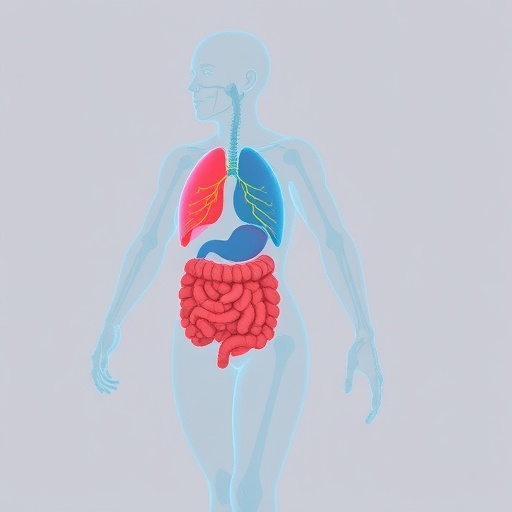
Image Credits: AI Generated
DOI: https://doi.org/10.1038/s41398-026-04260-7
Keywords:

Tags: adipose tissue biology and stressadipose tissue plasticityadipose tissue remodeling in stressbehavioral phenotypes and metabolic outcomescellular techniques in stress researchmetabolic resilience and stress responsemolecular mechanisms of stress and metabolismpersonalized obesity treatmentspsychological stress and fat tissue functionstress coping styles and metabolic healthstress-coping phenotypesstress-induced metabolic disorders
Share26Tweet16
Previous Post

FMR1 Gene Therapy Rescues Fragile X Syndrome Traits in Mice

Next Post

Han directs new $15M NIH center for organ-on-chip technology

Related Posts

Disrupted Brain Signal Balance Tied to Symptoms and Cognition in Schizophrenia
Psychology & Psychiatry

Disrupted Brain Signal Balance Tied to Symptoms and Cognition in Schizophrenia

July 10, 2026
Early-Life Tobacco Exposure Impacts Mental Health and Brain Development Differently by Stage
Psychology & Psychiatry

Early-Life Tobacco Exposure Impacts Mental Health and Brain Development Differently by Stage

July 10, 2026
Distinct Spatiotemporal Patterns in Brain Networks Linked to PTSD
Psychology & Psychiatry

Distinct Spatiotemporal Patterns in Brain Networks Linked to PTSD

July 10, 2026
Genetic Risk Links Suicide Attempts and Alcohol Use Disorder Outcomes
Psychology & Psychiatry

Genetic Risk Links Suicide Attempts and Alcohol Use Disorder Outcomes

July 10, 2026
Genetic Variants Linked to Cognitive Performance in British Birth Cohorts
Psychology & Psychiatry

Genetic Variants Linked to Cognitive Performance in British Birth Cohorts

July 10, 2026
Elevated Neuronal Proteins Linked to Severe Autism and Behavioral Deficits
Psychology & Psychiatry

Elevated Neuronal Proteins Linked to Severe Autism and Behavioral Deficits

July 10, 2026
Next Post
Han directs new $15M NIH center for organ-on-chip technology

Han directs new $15M NIH center for organ-on-chip technology

  • Mothers who receive childcare support from maternal grandparents show more

    Mothers who receive childcare support from maternal grandparents show more parental warmth, finds NTU Singapore study

    27656 shares
    Share 11059 Tweet 6912
  • University of Seville Breaks 120-Year-Old Mystery, Revises a Key Einstein Concept

    1061 shares
    Share 424 Tweet 265
  • Bee body mass, pathogens and local climate influence heat tolerance

    682 shares
    Share 273 Tweet 171
  • Researchers record first-ever images and data of a shark experiencing a boat strike

    546 shares
    Share 218 Tweet 137
  • Groundbreaking Clinical Trial Reveals Lubiprostone Enhances Kidney Function

    531 shares
    Share 212 Tweet 133
Science

Embark on a thrilling journey of discovery with Scienmag.com—your ultimate source for cutting-edge breakthroughs. Immerse yourself in a world where curiosity knows no limits and tomorrow’s possibilities become today’s reality!

RECENT NEWS

  • Physical Activity Lowers Frailty Risk in Older Adults: Review and Analysis
  • Han directs new $15M NIH center for organ-on-chip technology
  • Stress-Coping Traits Influence Fat Tissue Function and Metabolic Resilience
  • FMR1 Gene Therapy Rescues Fragile X Syndrome Traits in Mice

Categories

  • Agriculture
  • Anthropology
  • Archaeology
  • Athmospheric
  • Biology
  • Biotechnology
  • Blog
  • Bussines
  • Cancer
  • Chemistry
  • Climate
  • Earth Science
  • Editorial Policy
  • Marine
  • Mathematics
  • Medicine
  • Pediatry
  • Policy
  • Psychology & Psychiatry
  • Science Education
  • Social Science
  • Space
  • Technology and Engineering

Subscribe to Blog via Email

Enter your email address to subscribe to this blog and receive notifications of new posts by email.

Join 5,146 other subscribers

© 2025 Scienmag - Science Magazine

Welcome Back!

Login to your account below

Forgotten Password?

Retrieve your password

Please enter your username or email address to reset your password.

Log In
No Result
View All Result
  • HOME
  • SCIENCE NEWS
  • CONTACT US

© 2025 Scienmag - Science Magazine

Discover more from Science

Subscribe now to keep reading and get access to the full archive.

Continue reading
